Robinhood, Coinbase lead crypto stock rout as Trump rejects Iran plan
In a surprising turn of events, President Trump has reportedly turned down Iran's proposal to end the U.S. blockade and facilitate the reopening of the Strait of Hormuz. This decision has sent shockwaves through the market, causing crude oil prices to surge by 6%. The ripple effects of this geopolitical tension have extended beyond oil, impacting the cryptocurrency market as well. Notably, popular trading platforms like Robinhood and Coinbase have seen significant declines in their stock prices, suggesting a broader market reaction to the unfolding situation.
Contextually, the Strait of Hormuz is a critical chokepoint for global oil shipments, and any disruptions in this area can have far-reaching implications for the global economy. Trump’s rejection of Iran’s offer complicates an already tense relationship between the two nations, as it may lead to escalated conflicts that could further destabilize not only oil prices but also investor sentiment across various asset classes, including cryptocurrencies. Historically, geopolitical tensions have influenced crypto markets, which are often viewed as alternative investments during times of economic uncertainty.
This recent downturn in the stocks of Robinhood and Coinbase could indicate a growing concern among investors regarding the stability of the crypto market amid escalating geopolitical tensions. The correlation between traditional markets and cryptocurrencies has been increasingly evident, and events like Trump's rejection of the Iranian proposal can prompt investors to reassess their risk exposure. As oil prices rise and uncertainty mounts, the appetite for cryptocurrencies might wane, at least in the short term, leading to increased volatility in the crypto space.
Industry experts have weighed in on this situation, with many expressing concern about the potential for prolonged market instability. Some analysts suggest that the cryptocurrency market could face a bearish trend if investor sentiment continues to be influenced by geopolitical factors. Others, however, see this as an opportunity for cryptocurrencies to prove their resilience, positing that as traditional markets react to such news, crypto could emerge as a safe haven in the longer run.
Looking ahead, it remains to be seen how this geopolitical development will influence the broader market dynamics. As tensions continue to escalate, investors will be closely monitoring both traditional and cryptocurrency markets for signs of recovery or further decline. The coming weeks will likely be crucial in determining whether the crypto market can withstand the pressure or if it will succumb to the broader economic anxieties triggered by geopolitical events.

CoinMagnetic Team
Crypto investors since 2017. We trade with our own money and test every exchange ourselves.
Updated: April 2026
From our insights:
Related news
William Blair sees Coinbase and Circle shares benefiting from crypto recovery
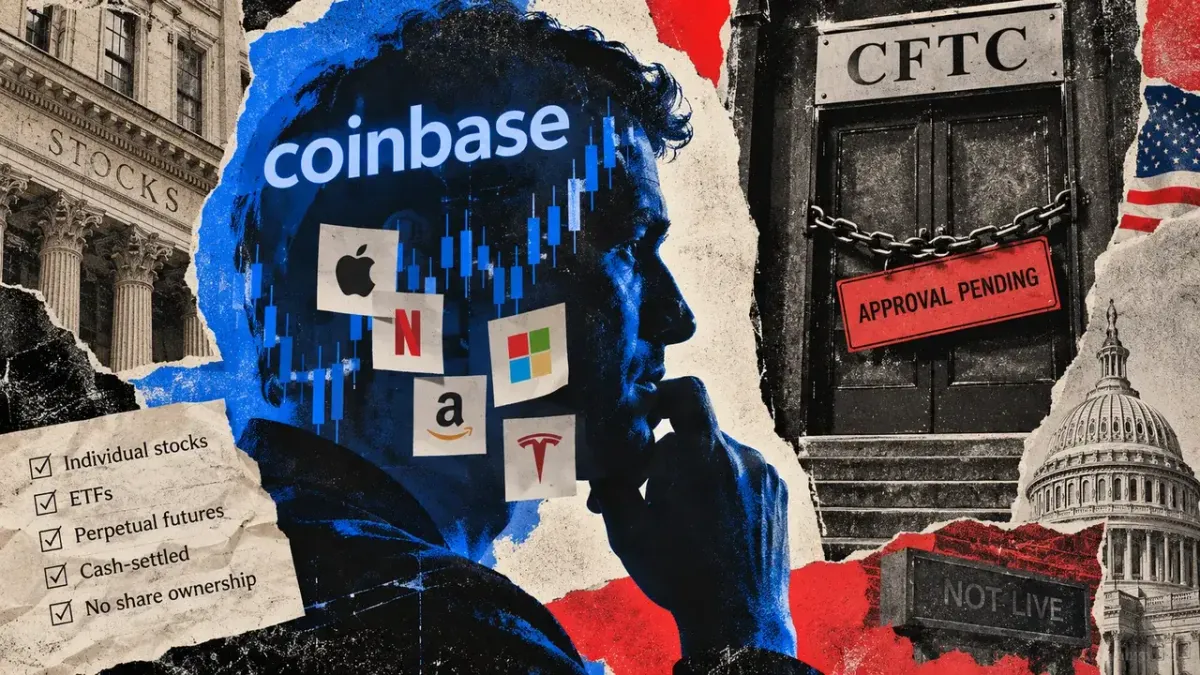
Coinbase plans to launch cash-settled stock futures amid CFTC delays
Coinbase adds fixed-rate bitcoin-backed loans through Morpho Midnight

Binance invests $100 million in Circle as part of expanded USDC partnership

Binance invests $100 million in Circle for USDC promotion over five years