Robinhood-backed DEX Arcus expands with tokenized assets, perps
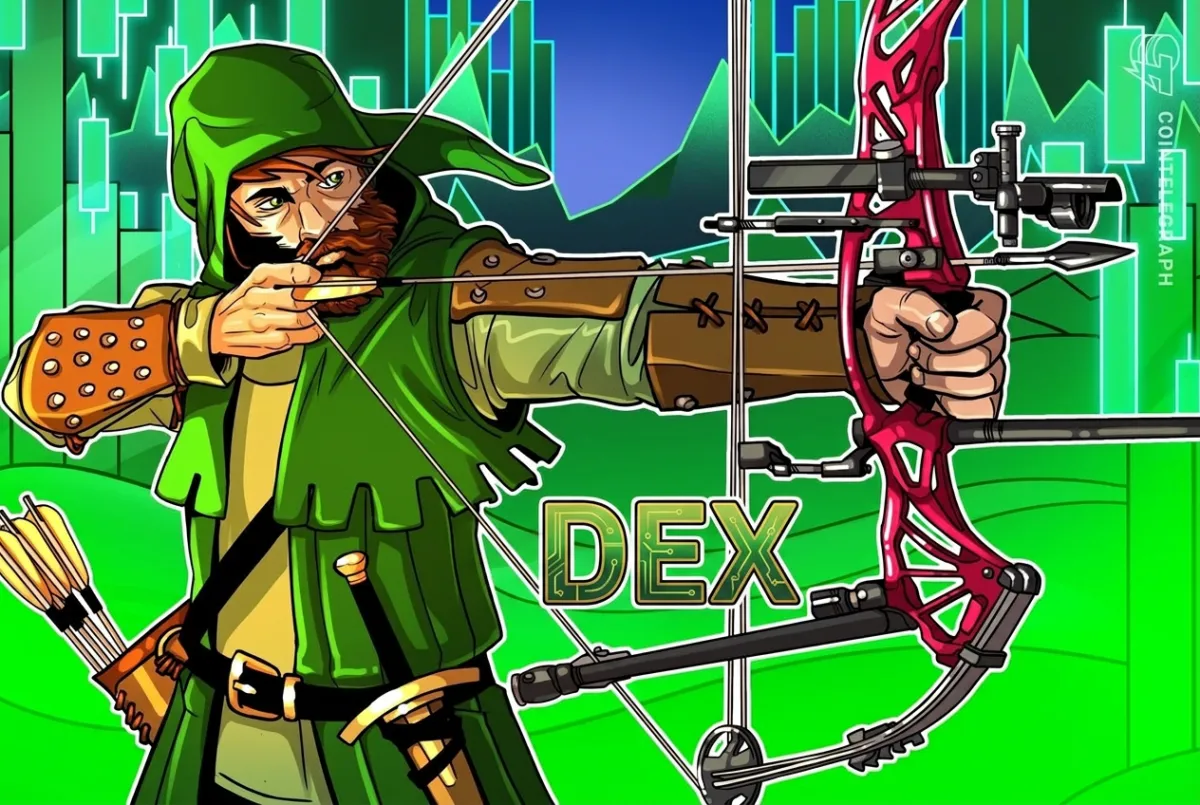
Arcus, the decentralized exchange (DEX) backed by Robinhood, has announced an expansion that is set to reshape the landscape of digital trading. Built by the dYdX team, Arcus is now integrating tokenized stocks and perpetual futures on the Robinhood Chain. This move aims to bridge the gap between traditional financial assets and the growing decentralized finance (DeFi) ecosystem, allowing users to trade a wider range of assets directly on-chain. The addition of these features signals a significant step towards making financial markets more accessible, especially as competition intensifies among platforms to bring traditional assets into the blockchain space.
The context behind this development lies in the ongoing evolution of financial markets, where the lines between traditional finance and DeFi are increasingly blurring. Tokenized assets have emerged as a way to represent real-world financial instruments on the blockchain, providing greater liquidity and accessibility for investors. Perpetual futures, on the other hand, offer traders the opportunity to speculate on asset prices without a fixed expiration date, making them an attractive option in volatile markets. As more platforms seek to integrate these innovative financial products, Arcus is strategically positioning itself to capture a share of the burgeoning market for tokenized assets.
This expansion is significant for the market for several reasons. Firstly, it highlights the growing demand for innovative trading products that merge traditional finance with blockchain technology. By enabling the trading of tokenized stocks and perpetual futures, Arcus is not only catering to existing crypto traders but also attracting traditional investors who may be hesitant to engage with the DeFi space. This could lead to increased trading volumes and liquidity on the platform, further establishing Arcus as a key player in the DeFi ecosystem.
Industry experts have responded positively to Arcus's latest developments, noting that the integration of tokenized assets and perpetual contracts could be a game-changer for decentralized trading. Analysts believe that by offering familiar financial products in a decentralized manner, Arcus may help demystify the crypto space for traditional investors, potentially leading to greater adoption of DeFi technologies. However, some experts also caution that regulatory scrutiny around tokenized assets could pose challenges, as authorities worldwide continue to grapple with how to classify and regulate these new financial instruments.
Looking ahead, we can expect Arcus to continue its efforts to innovate and expand its product offerings. As competition heats up among DEXs to provide the most comprehensive trading experience, Arcus's ability to attract and retain users will be crucial. The success of this expansion may very well depend on how effectively the platform can navigate regulatory landscapes while offering a seamless and secure trading environment for its users. Only time will tell how Arcus and similar platforms will shape the future of decentralized finance and the integration of traditional assets on-chain.

CoinMagnetic Team
Crypto investors since 2017. We trade with our own money and test every exchange ourselves.
Updated: July 2026
From our insights:
Related news
Tether CEO defends stablecoin operations against US Senate illicit finance probe

Visa and Mesh join forces for crypto spending at 175 million merchants
Revolut obtains Gibraltar regulatory nod to fuel international growth
Metaplanet plans Super League acquisition to tap into US capital markets

Mesh partners with Visa to enable direct crypto spending from wallet apps