Ripple launches toolkit for agentic payments on XRPL

Ripple has recently unveiled a new toolkit aimed at facilitating agentic payments on the XRP Ledger (XRPL). This innovative toolkit is designed to allow AI agents to execute transactions with minimal human intervention, marking a significant step towards automating payment processes. The move comes as part of Ripple's broader strategy to enhance the usability and functionality of its blockchain ecosystem, positioning itself at the forefront of the evolving intersection between artificial intelligence and cryptocurrency. By enabling smart contracts and automated payment solutions, the toolkit could potentially streamline various payment operations, making them faster and more efficient.
In the context of the rapidly changing financial landscape, the rise of agentic payments reflects a growing trend among tech companies to integrate AI into financial services. As businesses increasingly seek to automate processes and reduce reliance on human involvement, the demand for robust payment solutions capable of supporting these innovations has surged. Ripple's initiative is not an isolated case; several other companies are exploring similar avenues, looking to create seamless payment rails that can facilitate transactions executed by AI agents. This development is indicative of a larger shift towards automation in finance, where traditional operations may soon be complemented–or even replaced–by advanced technologies.
The introduction of Ripple's toolkit could have significant implications for the cryptocurrency market. As more companies adopt AI-driven payment solutions, the demand for cryptocurrencies like XRP may increase, particularly if these digital assets become the preferred medium for agentic transactions. Additionally, the enhanced efficiency that the toolkit promises could attract more businesses to the XRPL, further solidifying Ripple's position in the market. If successful, this initiative could also inspire other blockchain projects to explore similar innovations, potentially leading to a broader transformation in how payments are processed across various sectors.
Industry experts have expressed a mix of excitement and caution regarding Ripple's latest offering. Some see it as a groundbreaking step that could revolutionize payment systems, while others highlight the challenges that come with integrating AI into financial transactions. Concerns regarding security, regulatory compliance, and the ethical implications of AI involvement in financial decisions have been raised. Nevertheless, the general consensus is that Ripple's toolkit has the potential to drive significant advancements in payment technologies, fostering further innovation within the crypto space.
Looking ahead, it will be crucial to monitor how Ripple's toolkit is adopted by businesses and how it performs in real-world scenarios. The ongoing evolution of agentic payment systems will likely prompt discussions around regulatory frameworks and the need for guidelines to ensure that these automated solutions operate within legal boundaries. As the crypto landscape continues to evolve, it remains to be seen how Ripple and other companies will navigate the complexities of integrating AI into finance, and what this means for the future of payment systems globally.

CoinMagnetic Team
Crypto investors since 2017. We trade with our own money and test every exchange ourselves.
Updated: June 2026
From our insights:
Related news

SoFi begins stablecoin settlement on Mastercard network for program expected to exceed $25 billion in annualized volume

A $3.2 million 'bitcoin butterfly' option trade bets on $95,000 by the end of October

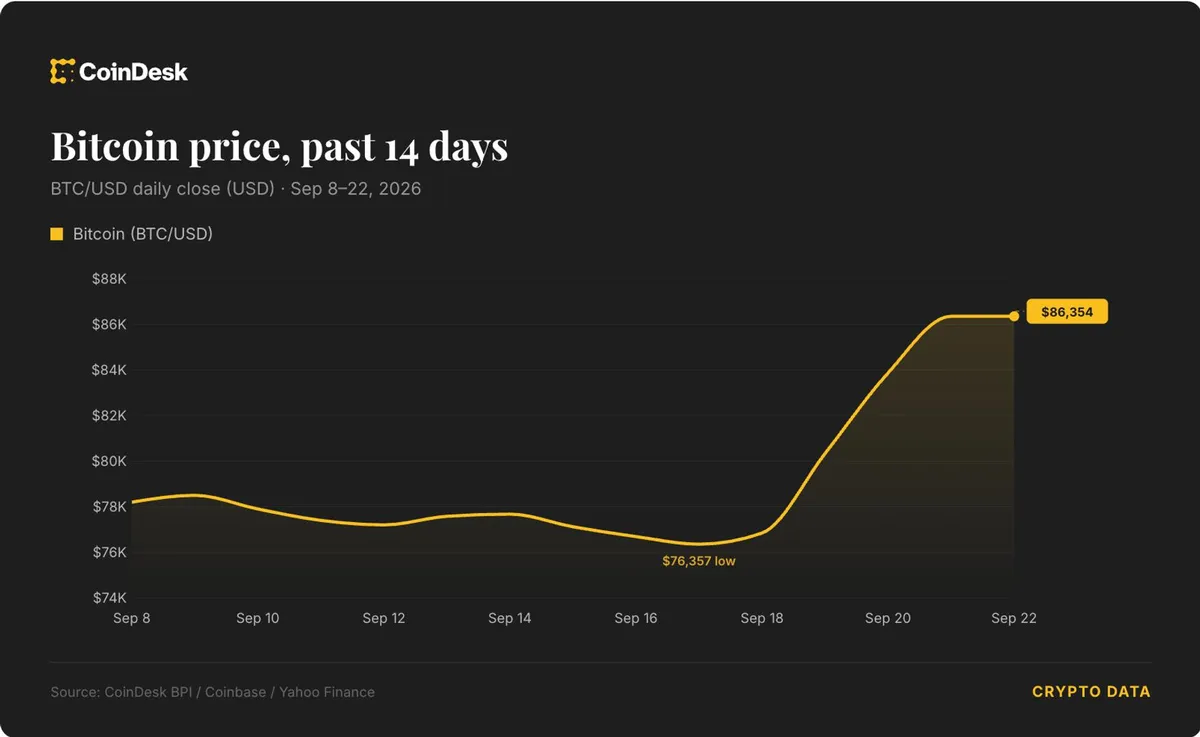
Bitcoin surges past $86,000 as $1 billion in shorts are liquidated, eyes on $90,000
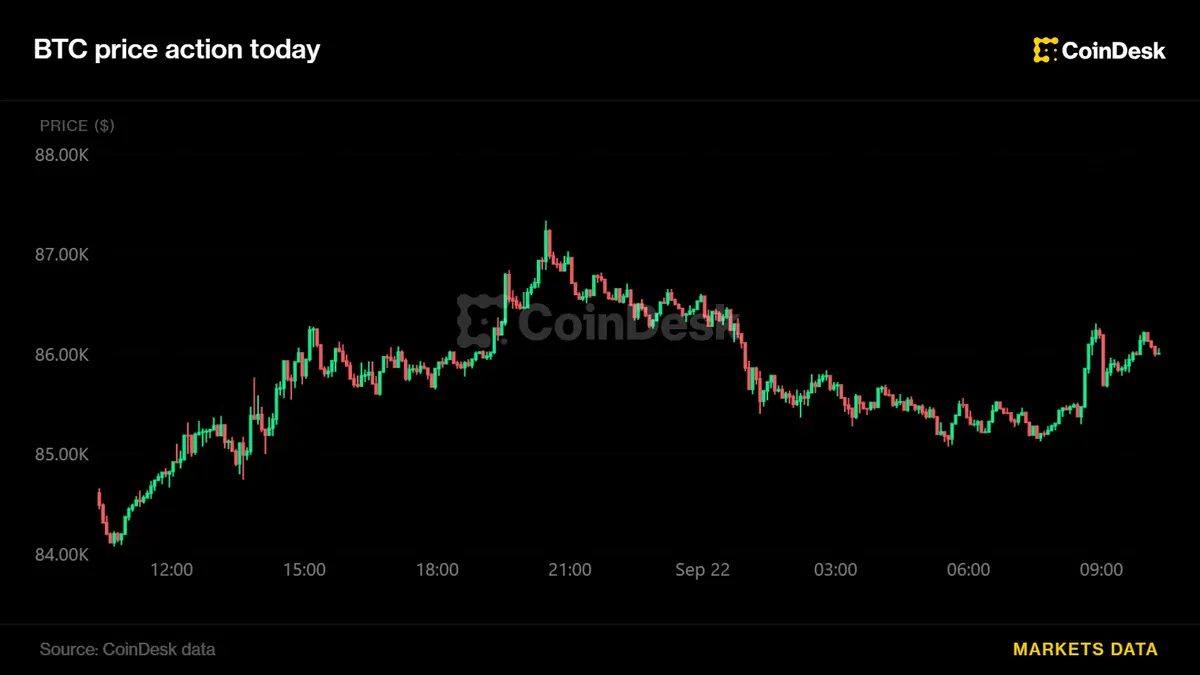
Bitcoin bounces back to $86,000 as oil prices decline and stocks rise

Prediction markets projected to reach $10 trillion by 2035, surpassing sports