Ripple is expanding institutional finance ambitions while XRP traders are losing confidence
Ripple has recently made headlines by significantly expanding its ambitions within the institutional finance sector, even as confidence among XRP traders appears to be waning. The company has announced new partnerships and initiatives aimed at enhancing the adoption of its blockchain technology in various financial institutions. Despite the positive strides at the corporate level, XRP has seen a decline in value, attributed to a combination of short-term holders capitulating and aggressive short selling in the futures market. This duality presents a complex landscape, as some traders brace for further declines while others seize the opportunity to accumulate XRP at lower prices.
To understand the current situation, it is essential to consider Ripple's history and its role in the cryptocurrency ecosystem. Founded in 2012, Ripple has positioned itself as a facilitator of cross-border payments through its digital asset XRP and its patented technology. Over the years, it has gained traction among financial institutions looking to streamline their operations and reduce costs. However, regulatory challenges, particularly from the U.S. Securities and Exchange Commission, have sometimes overshadowed its progress, creating uncertainty in the market. The recent developments signify a renewed focus on institutional adoption, which could reshape the narrative around Ripple and XRP.
The implications of Ripple's institutional push are significant for the broader market. As traditional finance increasingly explores blockchain solutions, Ripple's technology may serve as a bridge between conventional banking practices and innovative digital assets. This could lead to greater acceptance of cryptocurrencies in mainstream finance, potentially stabilizing and even enhancing the value of XRP. However, the current market sentiment is mixed, with some traders fearing further price declines while others believe that the long-term prospects remain strong. This divergence in sentiment could lead to increased volatility as the market reacts to both Ripple's initiatives and broader economic conditions.
Industry experts have weighed in on the situation, highlighting the critical nature of Ripple's ongoing efforts. Some analysts suggest that the company's focus on institutional finance could serve as a catalyst for renewed confidence in XRP, while others caution that the current bearish sentiment could take time to dissipate. The contrasting views illustrate the uncertainty that often accompanies the cryptocurrency market, where sentiment can shift rapidly based on news and developments. Building institutional partnerships could ultimately enhance Ripple's credibility, but the path forward may be fraught with challenges, particularly regarding regulatory scrutiny.
Looking ahead, we will be watching closely to see how Ripple's institutional initiatives unfold and whether they can translate into increased demand for XRP. The market's reaction to any new partnerships or technological advancements will be critical, as will the evolving sentiment among retail traders. If Ripple can successfully navigate the challenges it faces while solidifying its position within institutional finance, it could pave the way for a more robust outlook for XRP and contribute to a broader acceptance of cryptocurrencies in the financial sphere.

CoinMagnetic Team
Crypto investors since 2017. We trade with our own money and test every exchange ourselves.
Updated: May 2026
From our insights:
Related news
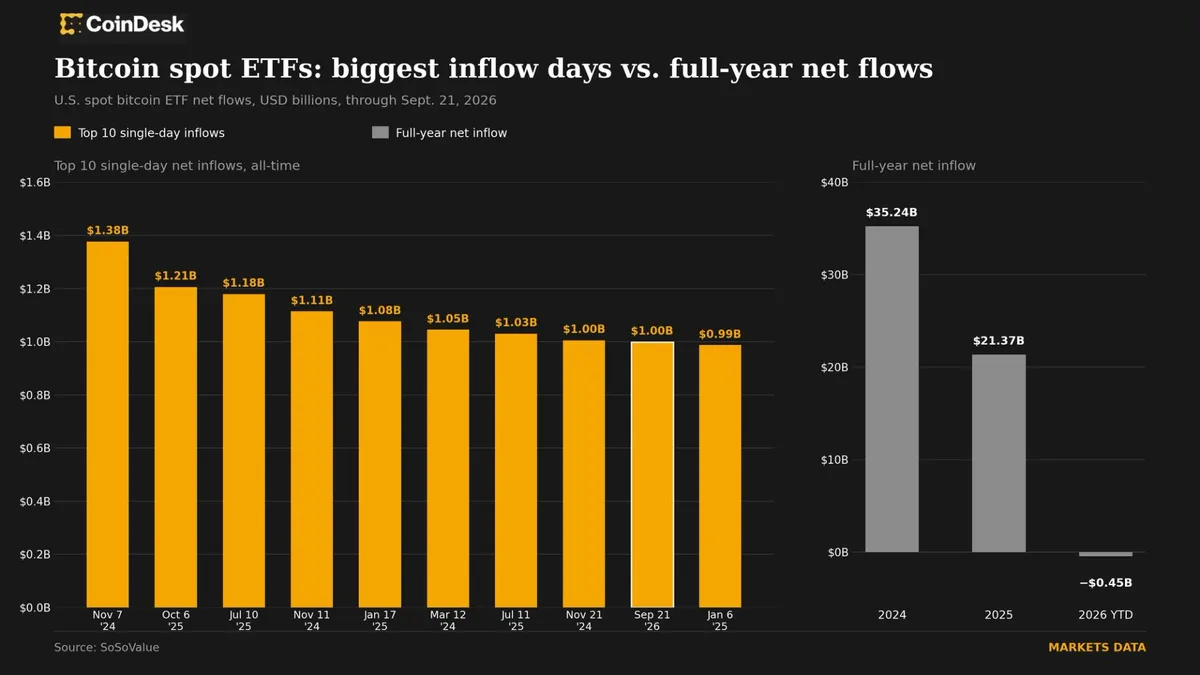
Spot bitcoin ETFs see nearly $1 billion inflow as bitcoin hits January highs
US spot Bitcoin ETFs see nearly $1 billion inflow, highest since October 2025
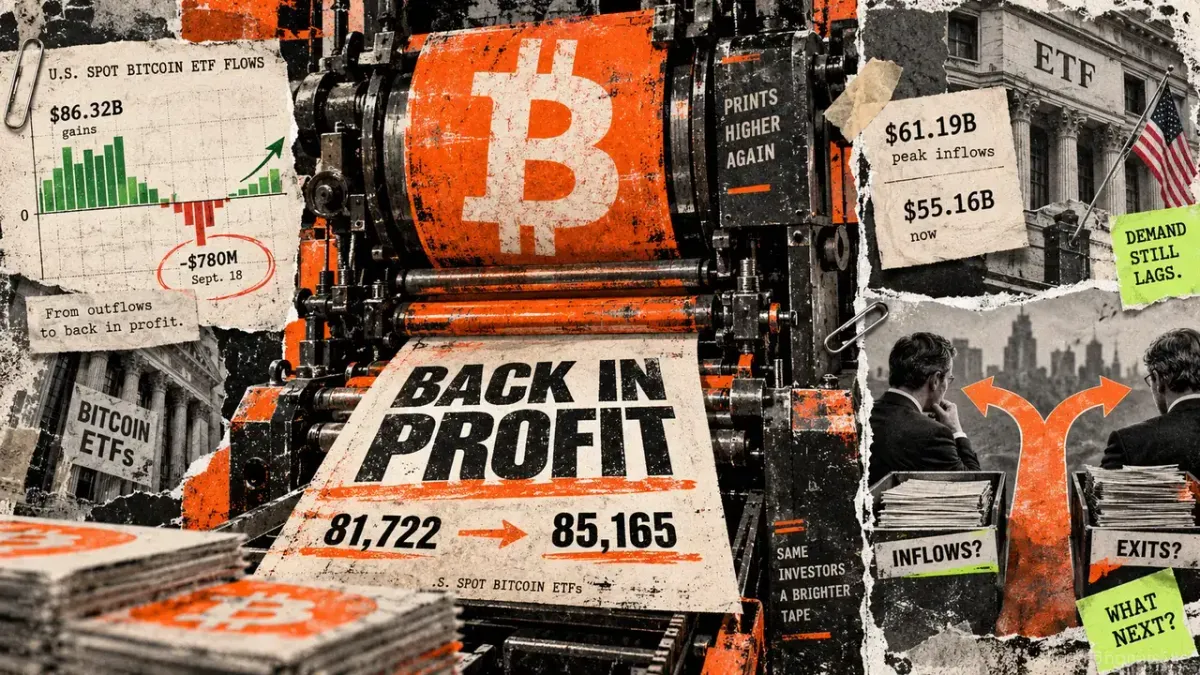
Bitcoin's rise to $86,000 restores profitability for ETF investors
Apple and Google seek crypto experts, signaling potential stablecoin initiatives

ECB initiates bond purchases using its own funds in crypto-linked system