Revolut unveils first physical crypto card as industry-wide card usage grows

Revolut has made headlines with the unveiling of its first physical crypto card, marking a significant step in enhancing accessibility to cryptocurrency for everyday consumers. This card is designed to be usable anywhere Visa and Mastercard are accepted, which is a crucial feature that broadens its appeal. The initial rollout will focus on the UK and the European Economic Area (EEA), allowing users to spend their cryptocurrency in a familiar and straightforward manner. This initiative is part of Revolut's broader strategy to integrate digital currencies into daily financial transactions, making crypto more mainstream.
The concept of crypto cards is not entirely new, but Revolut's entry into this space comes at a time when digital assets are increasingly becoming part of the financial landscape. Over the past few years, various fintech companies have sought to bridge the gap between traditional finance and the burgeoning world of cryptocurrencies. Revolut, known for its innovative approach to banking, had previously offered virtual cards for crypto transactions, but the launch of a physical card signifies a more tangible step toward normalization. As the industry evolves, the demand for tools that allow seamless integration of crypto into everyday life has grown, and Revolut is responding to this trend.
This development is significant for the market as it signals an increasing acceptance of cryptocurrencies among mainstream financial institutions. As more companies introduce crypto-related products, the barriers between fiat currencies and digital assets continue to diminish. The availability of a physical card that allows consumers to spend their cryptocurrencies with ease could encourage more individuals to invest in and use digital currencies. This shift is likely to contribute to the overall growth and stability of the crypto market, as it provides a practical utility for holding and using digital assets.
Industry experts have reacted positively to this announcement, noting that Revolut's card could serve as a catalyst for broader crypto adoption. Analysts emphasize that the convenience of a physical card could help demystify cryptocurrency for the average consumer, making it less intimidating. Furthermore, the collaboration with established payment networks like Visa and Mastercard lends credibility to the initiative, reassuring potential users about the security and reliability of using crypto in everyday transactions. As Revolut continues to innovate, it will be interesting to see how competitors respond and what new features may emerge in the crypto card market.
Looking ahead, the success of Revolut's physical crypto card could pave the way for more companies to explore similar offerings. If the card gains traction among consumers, we may see an influx of new players entering this space, each vying to capture market share. Additionally, as regulatory frameworks around cryptocurrencies continue to evolve, it will be essential for companies to adapt their strategies accordingly. The coming months will likely reveal how well the card is received and whether it can sustain momentum in an increasingly competitive landscape.

CoinMagnetic Team
Crypto investors since 2017. We trade with our own money and test every exchange ourselves.
Updated: May 2026
From our insights:
Related news

Bitcoin's weekly close above $81,000 signals potential rise to $90,000

Elon Musk's X integrates bitcoin trading options for U.S. users
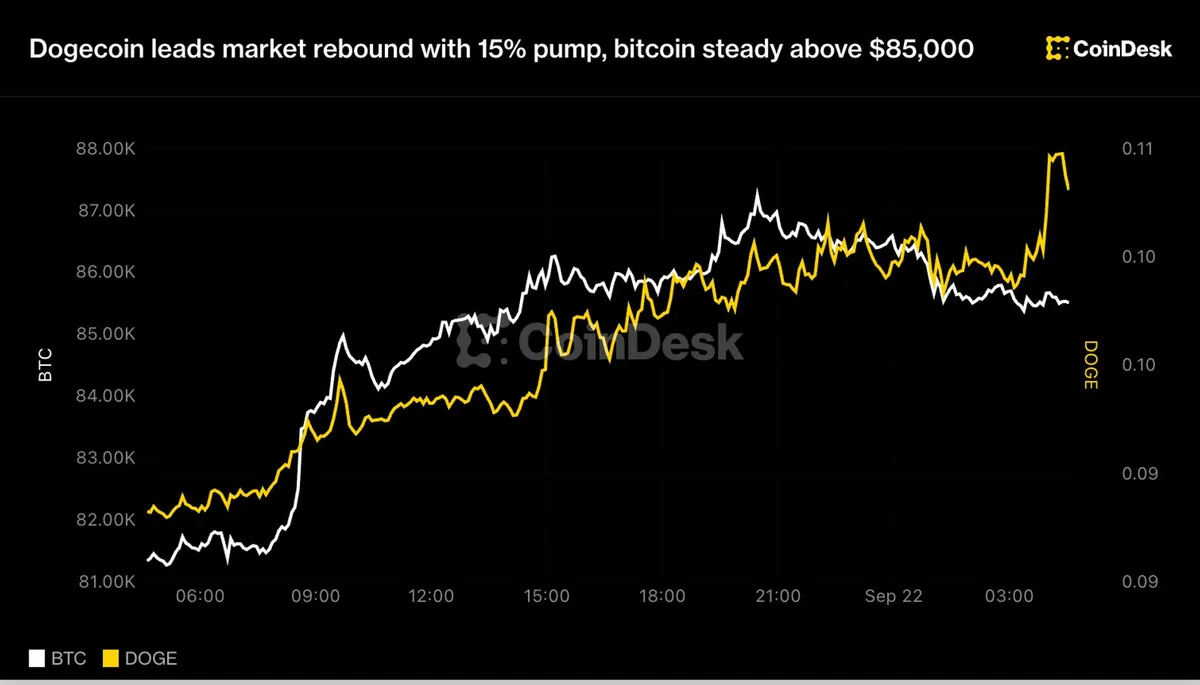
Dogecoin's 15% surge drives market recovery as bitcoin stabilizes above $85,000

Cardano adds tools for AI agent payments, joining Solana and XRP Ledger

Trueo prediction market moves from Base to Ethereum