Retail Bitcoin investor demand falls by 73% as futures selling tops $2B: Are the bears back?

Recent reports indicate a significant decline in retail Bitcoin investor demand, dropping by 73% as aggressive futures selling has pushed the total above $2 billion. This downturn in retail inflows to platforms like Binance has contributed to Bitcoin's price falling below the crucial $77,000 mark. The combination of weak spot demand and heavy selling in the futures market has raised concerns about the overall health of the cryptocurrency market and the potential resurgence of bearish sentiment among investors.
To understand this shift, it is essential to consider the broader context of Bitcoin's market movements in recent months. Following a strong rally earlier in the year, which saw Bitcoin reaching all-time highs, the market has faced several headwinds, including regulatory scrutiny and macroeconomic factors such as inflation and interest rate hikes. These developments have created an environment of uncertainty, driving many retail investors to the sidelines as they reassess their positions. The recent spike in futures selling further exacerbates this situation, suggesting a potential shift in market sentiment from bullish to bearish.
This decline in retail demand is significant for the market, as retail investors have historically played a crucial role in driving Bitcoin's price volatility. A sustained drop in retail participation could lead to reduced liquidity, making the market more susceptible to larger price swings. Furthermore, consistent futures selling could indicate that institutional investors are hedging their positions or are expecting further declines, which can create a self-fulfilling prophecy in terms of market sentiment. As the price of Bitcoin struggles to maintain its footing, the implications of this shift could resonate throughout the entire cryptocurrency ecosystem.
Industry reactions to these developments have been mixed. Some analysts view the current situation as a temporary setback, arguing that the fundamental aspects of Bitcoin remain strong. They suggest that the decline in retail demand may be a natural correction following the earlier exuberance in the market. Others, however, caution that the significant futures selling could indicate a more profound shift in market dynamics, with bearish sentiment potentially leading to further declines. Experts emphasize the need for investors to closely monitor market indicators and sentiment to gauge the potential for recovery or further downturns.
Looking ahead, it remains to be seen how the market will respond to these challenges. Retail demand may eventually rebound as prices stabilize and investors gain more clarity on the macroeconomic landscape. However, if futures selling continues to dominate the market, the bears may have a firmer grip on Bitcoin's price trajectory. Market participants will need to remain vigilant, as the interplay between retail and institutional activity could shape the future direction of Bitcoin and the broader cryptocurrency market.

CoinMagnetic Team
Crypto investors since 2017. We trade with our own money and test every exchange ourselves.
Updated: May 2026
From our insights:
Related news
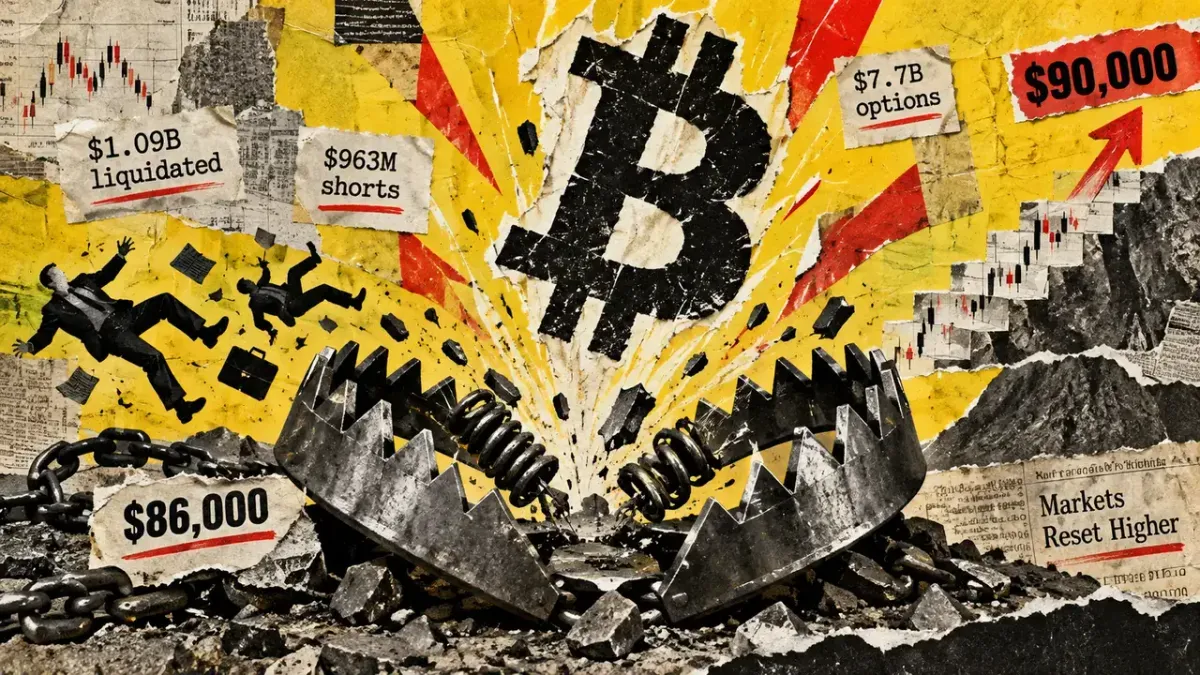
Bitcoin surges past $86,000 as $1 billion in shorts are liquidated, eyes on $90,000
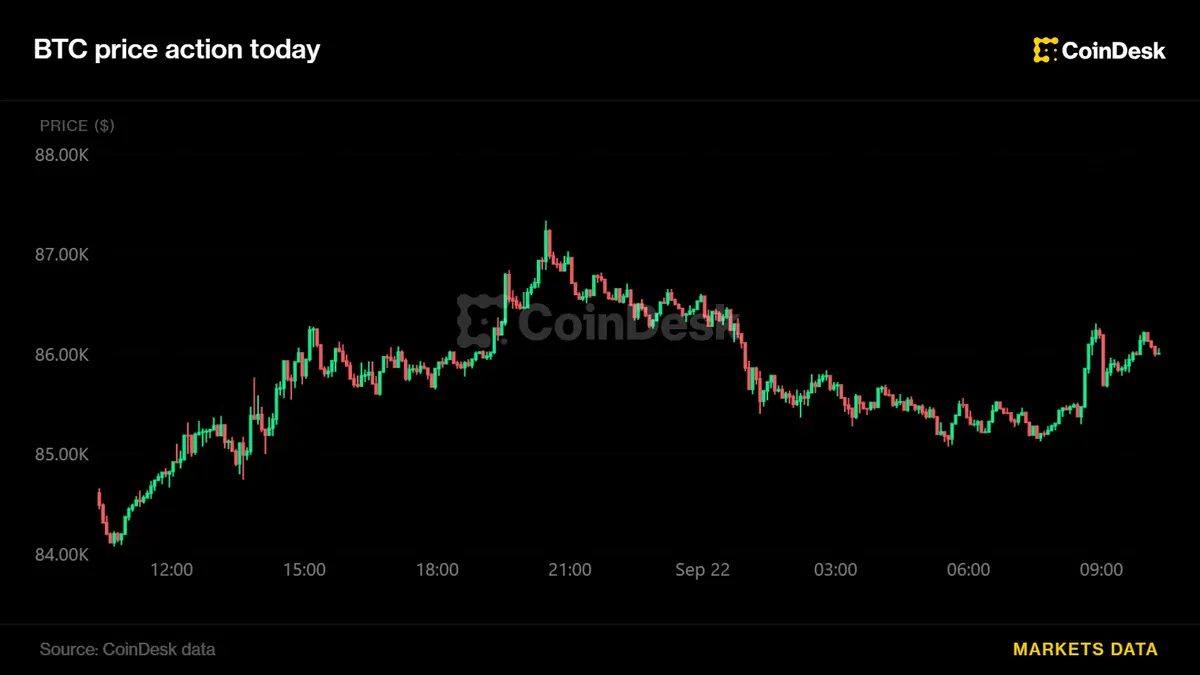
Bitcoin bounces back to $86,000 as oil prices decline and stocks rise

Prediction markets projected to reach $10 trillion by 2035, surpassing sports
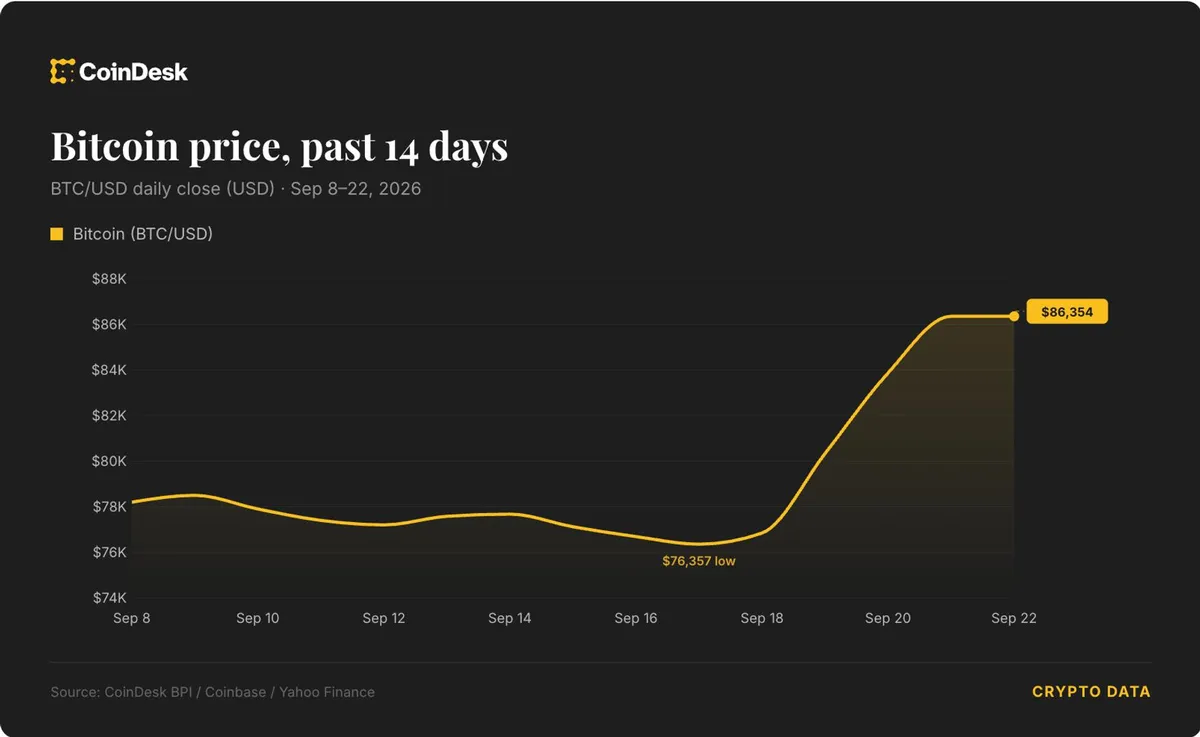
Iran hints at reopening Strait of Hormuz, WTI oil drops to $89

New altseason signal emerges as Bitcoin market cap stays under 60%