Researcher Throws Cold Water on Microsoft Quantum Claims
Recent developments in the quantum computing arena have raised eyebrows, particularly regarding Microsoft's claims about its Majorana 2 quantum chip. A prominent physicist has formally critiqued the tech giant, asserting that Microsoft has yet to provide substantial evidence for the existence of the topological qubit–an essential component that underpins the performance of their quantum technology. This critique not only questions the validity of Microsoft's advancements but also highlights the ongoing complexities in the field of quantum computing, where theoretical claims must be rigorously substantiated through experimental validation.
The concept of topological qubits is rooted in advanced quantum physics, promising a more stable and error-resistant form of quantum computing compared to traditional qubits. Microsoft has invested heavily in this area, suggesting that its Majorana 2 chip is at the forefront of quantum innovation. However, the critique from the physicist serves as a reminder that while the potential for topological qubits is significant, the path to practical implementation is fraught with challenges. The scrutiny directed towards Microsoft is indicative of the intense competition in the quantum space, where various companies and researchers are racing to make breakthroughs.
The implications of this critique for the market are significant. Investors and stakeholders in the technology sector closely monitor advancements in quantum computing, as breakthroughs could lead to revolutionary changes across industries, from cryptography to pharmaceuticals. If Microsoft's claims are found to lack the necessary backing, it could impact investor confidence and share prices, not just for Microsoft, but also for the broader quantum computing sector. Companies that have staked their future on quantum technologies might face increased scrutiny, affecting their market positioning.
Industry reactions to this critique have been mixed. Some experts believe that while the concerns raised are valid, they should not overshadow the broader progress being made in quantum research. Others assert that Microsoft's claims may have set unrealistic expectations, leading to potential disillusionment among investors and the public. The discourse surrounding this topic reflects the ongoing tension between the ambitious promises of quantum technology and the rigorous scientific validation required to realize those promises.
Looking ahead, the quantum computing landscape is likely to remain dynamic and contentious. Microsoft may need to address these critiques head-on if it wishes to maintain its leadership position and investor confidence. As the field continues to evolve, it will be essential for companies to ensure transparency and robustness in their claims. The coming months will likely see further debates and developments, both in terms of technological advancements and the scientific scrutiny that accompanies them.

CoinMagnetic Team
Crypto investors since 2017. We trade with our own money and test every exchange ourselves.
Updated: June 2026
From our insights:
Related news
Bitcoin holds around $86,000 while bitcoin cash surges 32% on CME news

Onchain signals confirm Bitcoin bull market but $90K poses profit-taking risk

Bitcoin options worth $16 billion set to expire as price nears $86,300

Bitcoin ETFs take in $1.7B in 2 days as BTC tops holder cost basis
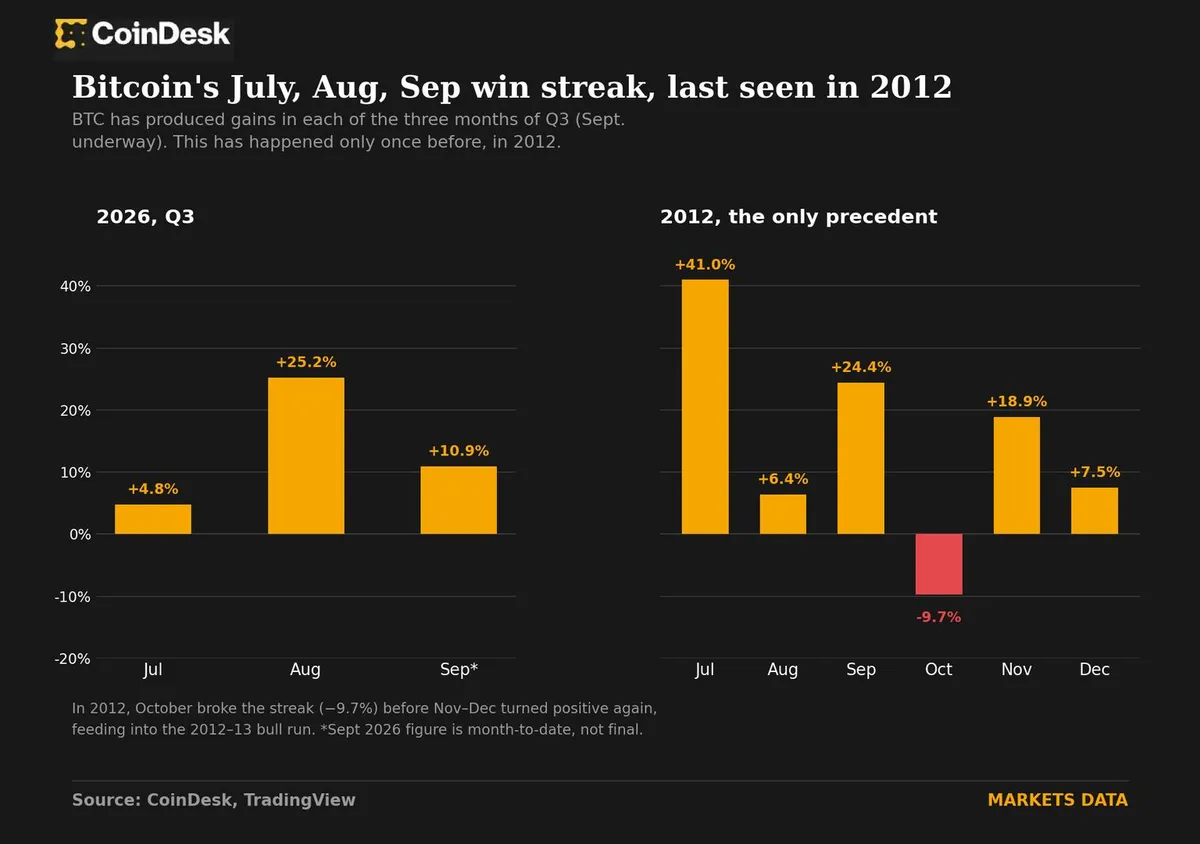
Bitcoin's on a streak it hasn't hit since 2012