New bill bans federal candidates from trading on election prediction markets
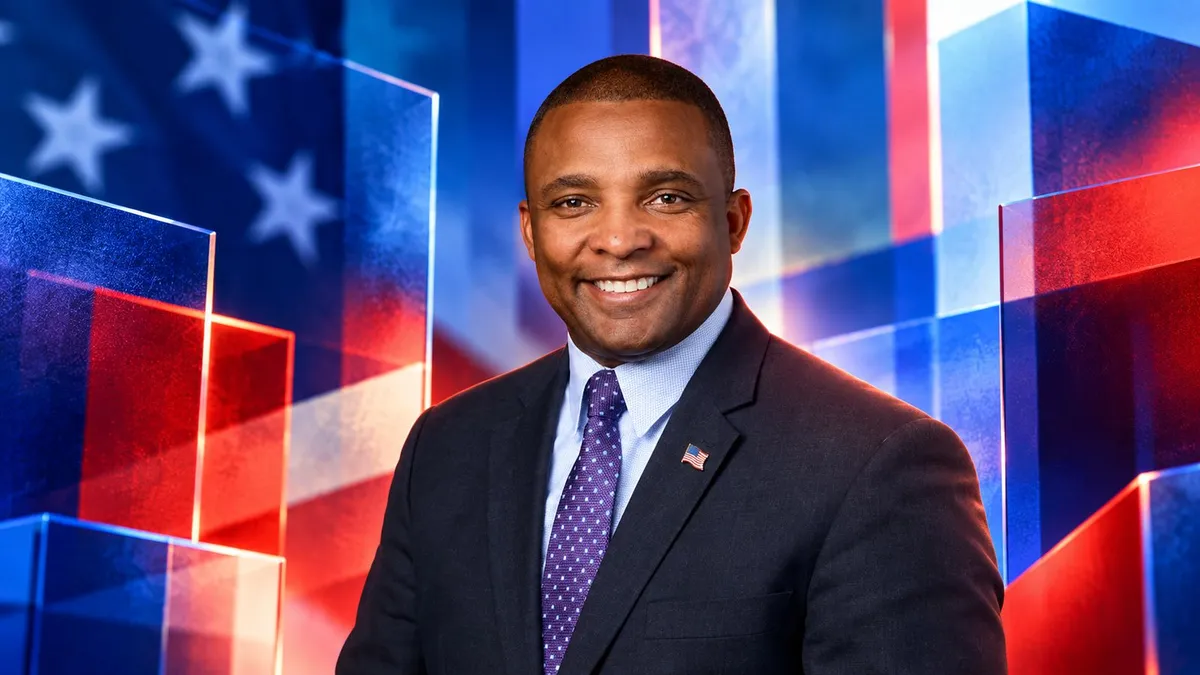
Representative Don Davis has introduced a new piece of legislation aimed at preventing federal candidates and their immediate family members from trading prediction market contracts that are tied to their own elections. This move has sparked conversations around the ethical implications of such trading practices, as it raises concerns about conflicts of interest and the integrity of the electoral process. The proposed bill seeks to ensure that candidates do not profit from their own political fortunes, thus promoting a fairer electoral landscape.
The backdrop to this legislation is a growing concern about the influence of financial speculation on political outcomes. In recent years, prediction markets have gained traction as platforms where individuals can bet on the outcomes of various events, including elections. While some proponents argue that prediction markets can provide valuable insights into public sentiment and electoral trends, critics warn that they could lead to manipulative behavior by those with a vested interest in the results. This has prompted lawmakers to reconsider the regulations governing such markets, particularly in the context of federal elections.
This legislation is significant for the market as it addresses the potential for manipulation and unethical behavior that could arise if candidates were allowed to trade on their own electoral outcomes. By prohibiting such trading, the bill aims to enhance the transparency and integrity of the electoral process, thus fostering public trust in democratic institutions. If enacted, this could set a precedent for further regulations in the realm of prediction markets, particularly as they relate to political events.
The industry reaction to Davis's bill has been mixed. Some experts commend the legislation as a necessary step to maintain the integrity of elections, arguing that it is vital to prevent any appearance of impropriety. Others, however, view the bill as an overreach that could stifle innovation in the prediction market space. Critics also raise concerns about the practical implications of enforcing such regulations, questioning whether they could inadvertently limit the ability of individuals to engage in legitimate trading activities.
Looking ahead, the fate of this legislation remains uncertain. As it moves through the legislative process, there will likely be ongoing discussions about the balance between regulation and innovation in prediction markets. Stakeholders in both the political and financial sectors will be watching closely to see how this bill evolves and what implications it may have for the future of prediction markets in the context of elections.

CoinMagnetic Team
Crypto investors since 2017. We trade with our own money and test every exchange ourselves.
Updated: October 2026
From our insights:
Related news

Bipartisan legislation needed to protect US crypto rules from political shifts
No Betting on Your Own Race Act could impose $10K fines on candidates

Hong Kong regulators reaffirm end-2026 deadline for crypto licensing regime

Chinese AI firms raise billions ahead of IPOs amid U.S.-China competition

Better Markets argues CFTC lacks authority to effectively regulate retail crypto