Rent a human: The day bots started hiring us
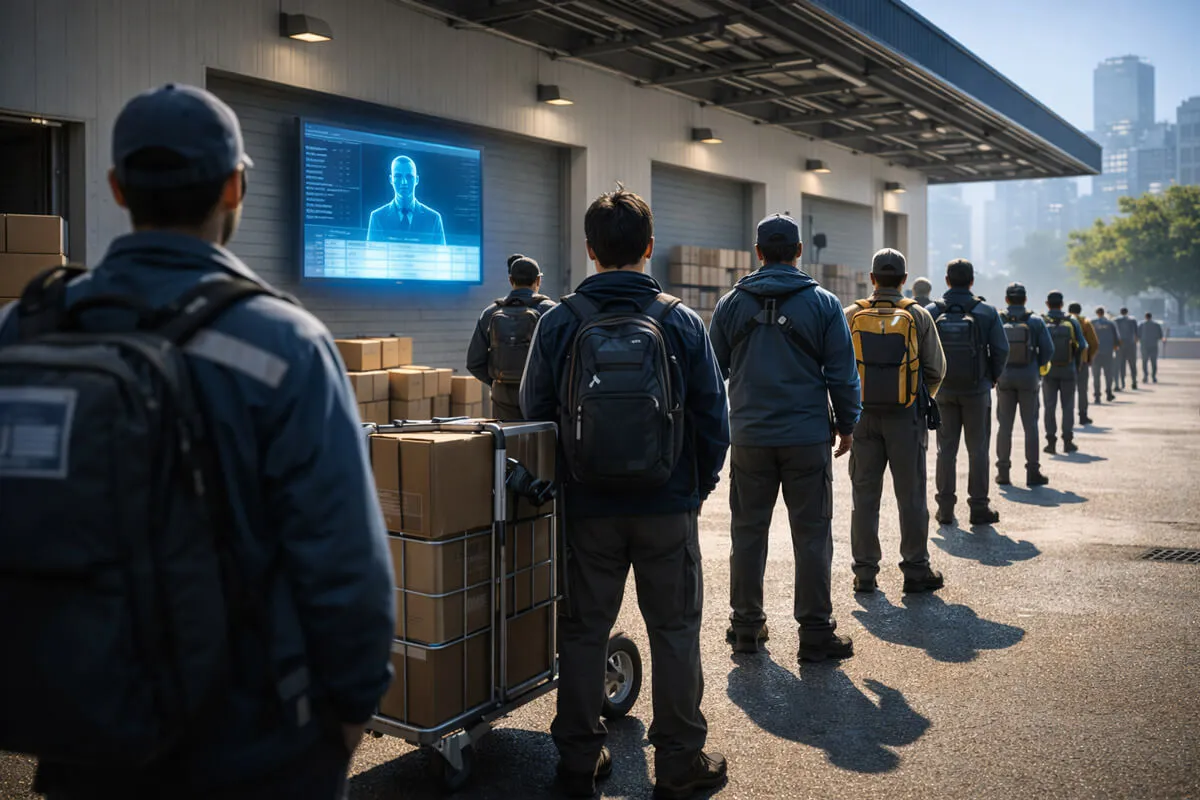
In a recent guest post by Laura Estefania, the Founder and CEO of Conquista PR, we are introduced to a fascinating shift in the world of automation. The rise of AI agents has transitioned from merely performing tasks to orchestrating human involvement in more complex processes. This change signifies a new economy where bots are not replacing human workers but rather hiring them for various roles. Estefania discusses how this evolution marks a pivotal moment in the relationship between technology and labor, reshaping how businesses operate and how individuals find employment.
The context surrounding this transformation is crucial to understanding its implications. Over the past few years, advancements in AI and machine learning have led to the development of sophisticated bots capable of managing intricate tasks that were once thought to require human intellect and creativity. As these technologies matured, companies began to explore ways to integrate them into their workflows–not just to enhance efficiency but also to leverage human creativity and problem-solving skills in tandem with AI capabilities. This collaborative approach marks a departure from the narrative that AI is simply a job killer, instead suggesting a more nuanced relationship where humans and machines complement each other.
This shift is significant for the market as it opens up new opportunities for employment in sectors that are traditionally resistant to automation. As bots begin to "hire" humans, new roles may emerge that focus on managing, interpreting, and enhancing AI-driven processes. Furthermore, this paradigm could lead to the creation of entirely new job categories centered around collaboration between humans and AI technologies. The market's response to this evolution will likely shape the future of work, attracting investments in tech companies that prioritize human-AI collaboration and potentially altering the landscape of job training and education.
Industry experts have started to weigh in on this development, with many expressing optimism about the potential for a harmonious coexistence between humans and AI. Some suggest that this new model of work can lead to increased productivity and innovation, as human workers can focus on higher-value tasks that require emotional intelligence and complex decision-making. Others caution that as bots take on more organizational roles, there will still be challenges to address, including the need for ethical frameworks and regulations surrounding AI's influence on the workforce. The consensus seems to be that while this change holds promise, it requires careful consideration and proactive measures to ensure a fair and equitable transition.
Looking ahead, we anticipate that the trend of bots hiring humans will continue to evolve, potentially leading to a broader societal shift in how we perceive work. As more companies adopt AI-driven models, collaborative roles between bots and humans may become commonplace, prompting a reevaluation of education systems and workforce development programs. The future may well see an increased emphasis on teaching skills that complement AI technologies, preparing the workforce for a landscape where collaboration with intelligent systems is the norm rather than the exception.

CoinMagnetic Team
Crypto investors since 2017. We trade with our own money and test every exchange ourselves.
Updated: April 2026
From our insights:
Related news

CFTC issues warning on manipulation risks in prediction markets tied to mentions

Ancient wallets move $161 million in bitcoin, including 600 BTC today

CFTC Chairman Selig emphasizes need for markets to adapt to mass tokenization

Republican senator seeks investigation into presidential sons' crypto ties

OpenAI cuts prices 50% on mid-tier models as Anthropic unveils Claude Opus 5.5