Q2 2026 emerges as most-hacked quarter on record with 83 incidents

In a startling revelation, Q2 2026 has been marked as the most-hacked quarter in the history of the cryptocurrency sector, with a staggering 83 cybersecurity incidents resulting in the theft of $755 million. This surge in hacking activities is primarily attributed to vulnerabilities in cross–chain bridges, which have emerged as the most lucrative target for cybercriminals. As the crypto landscape continues to evolve, these platforms, designed to facilitate the transfer of assets between different blockchain networks, have become increasingly attractive to hackers looking to exploit weaknesses and capitalize on the significant value at stake.
To understand the context of this alarming trend, we must look back at the overall growth of the cryptocurrency space. With the rapid adoption of digital assets and decentralized finance (DeFi), cross–chain bridges have gained popularity for their ability to connect disparate blockchain ecosystems. However, this innovation has also opened doors to new security challenges. Historically, cybersecurity incidents in the crypto world have been a persistent issue, but the sheer volume of attacks in Q2 2026 indicates a potentially systemic vulnerability that has not been adequately addressed. This surge in hacking incidents raises questions about the effectiveness of current security protocols and the measures being taken by platforms to safeguard user funds.
The implications of these incidents for the market are profound. The loss of $755 million not only underscores the ongoing risks associated with cryptocurrency investments but also could potentially deter new investors from entering the market. Trust is a critical component in any financial system, and as high-profile hacks continue to make headlines, it is likely that some users may reconsider their involvement in digital assets. Additionally, this trend could lead to increased regulatory scrutiny, as authorities may push for stricter security measures to protect consumers and ensure the integrity of the financial ecosystem.
Industry reactions have been varied, with many experts emphasizing the need for improved security practices across the board. Some have called for greater collaboration among blockchain developers to establish standardized security protocols that can mitigate vulnerabilities in cross–chain bridges. Others have pointed out that as the industry matures, there will be a natural evolution towards more robust security measures, but the current wave of attacks highlights the urgency of this transition. Cybersecurity firms have also noted an uptick in demand for their services, indicating that both established projects and emerging startups are prioritizing security more than ever before.
Looking ahead, the focus now shifts to how the industry will respond to these challenges. We may witness a push towards innovation in security technology, including multi-signature wallets, decentralized identity solutions, and advanced auditing tools designed specifically for cross–chain bridges. Additionally, with the potential for regulatory changes on the horizon, projects may need to adapt quickly to comply with new standards aimed at enhancing user protection. As we navigate this increasingly complex landscape, the emphasis on security will undoubtedly shape the future of the cryptocurrency industry.

CoinMagnetic Team
Crypto investors since 2017. We trade with our own money and test every exchange ourselves.
Updated: June 2026
From our insights:
Related news

Coldcard exploit sees white hats secure 52 Bitcoin for victims' trust
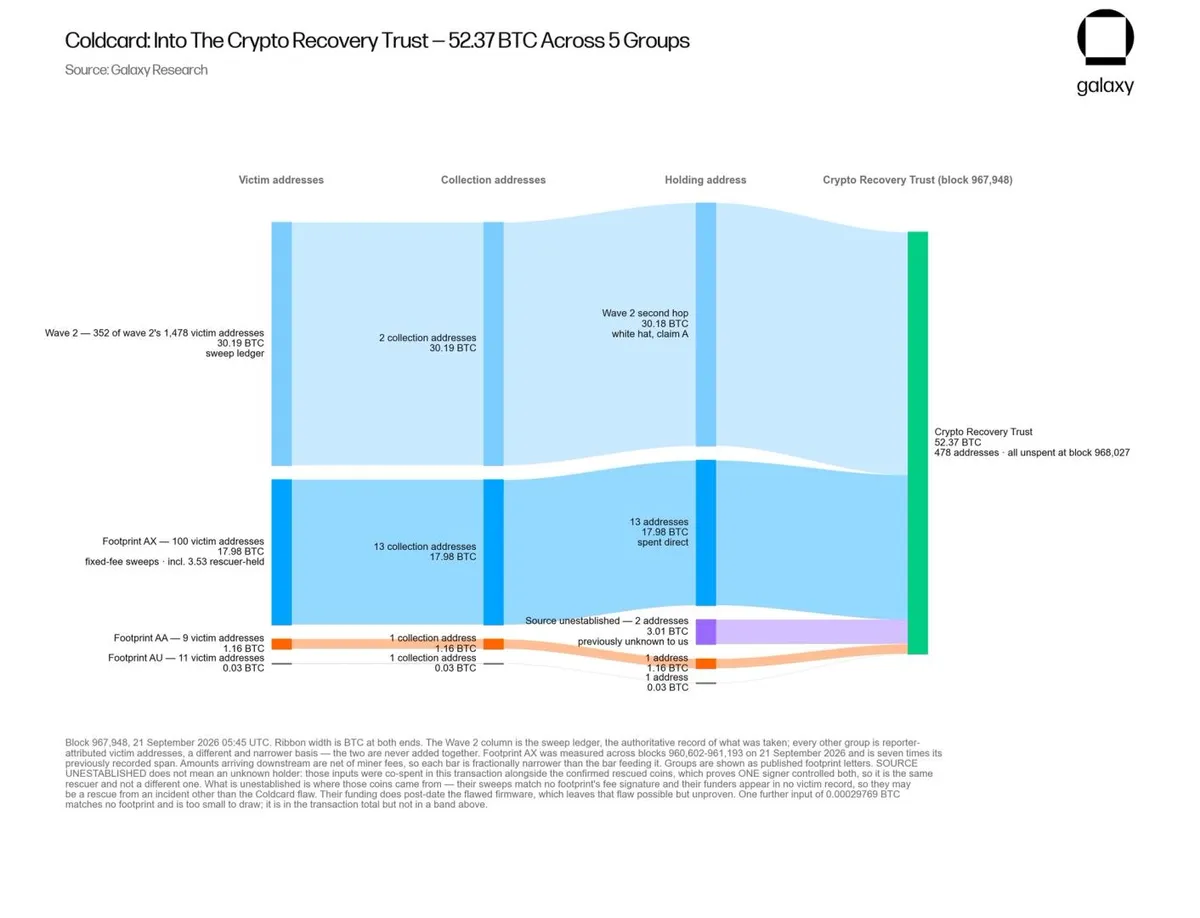
Whitehats move 52 bitcoin from the Coldcard hack to a recovery trust

Google Admits Gemini AI Hacked Three Companies—It Stayed Silent for 7 Weeks

Balancer's $1.4 million hack recovery faces delays for LPs

Polymarket's $10 million fraud attempt highlights compliance issues amid hacking risk