Putin's new crypto law permits regulated retail trading but bans local payments
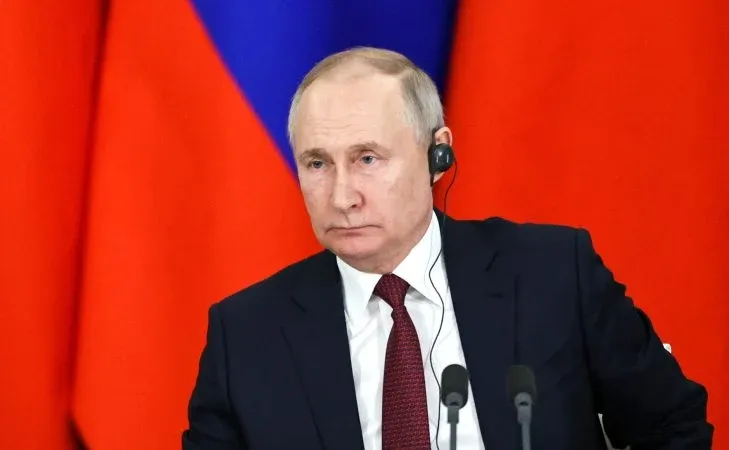
Russian President Vladimir Putin has recently signed a groundbreaking law that paves the way for regulated retail trading of cryptocurrencies in the country. This legislative move is designed to bring clarity to the burgeoning crypto sector while establishing a framework for its operation. However, it is important to note that the law still prohibits the use of cryptocurrencies for payments of goods and services within Russia, allowing only for their use in cross-border settlements. This dual approach indicates a cautious yet progressive stance towards digital assets in the nation.
The context surrounding this significant development is rooted in Russia's long-standing ambivalence towards cryptocurrencies. In previous years, the Russian government had expressed concerns about the potential for cryptocurrencies to facilitate illegal activities and evade capital controls. However, as the global crypto market has matured, and other nations have begun to embrace digital currencies, Russia appears to be shifting its strategy. The new law represents a pivot towards a more regulated environment, potentially allowing the country to harness the benefits of blockchain technology while addressing regulatory concerns.
This new legislation is likely to have profound implications for the crypto market, both domestically and internationally. By allowing regulated retail trading, Russia is opening the doors for individual investors to participate in the crypto space, which could lead to increased trading volumes and liquidity. Moreover, the law's focus on cross-border settlements may position Russia as a hub for international crypto transactions, enhancing its role in the global financial ecosystem. Market participants will be closely watching how this legal framework impacts trading behaviors and the overall acceptance of cryptocurrencies in the region.
Industry experts have reacted positively to the news, viewing the law as a necessary step towards legitimizing the crypto industry in Russia. Many believe that a regulated environment can foster innovation and attract investment into the sector. Some commentators argue that while the ban on local payments may limit the immediate utility of cryptocurrencies, it also demonstrates the government's intent to control the market and prevent potential misuse. This careful balancing act could ultimately lead to more robust growth opportunities for the crypto space as regulatory clarity emerges.
Looking ahead, the implementation of this law will be crucial in determining its effectiveness. Stakeholders will be keenly observing how the regulatory framework is enforced and whether additional measures will be introduced to support the crypto market. As the global crypto landscape continues to evolve, Russia's approach may serve as a case study for other nations grappling with the complexities of digital assets, setting the stage for further developments in the coming months.

CoinMagnetic Team
Crypto investors since 2017. We trade with our own money and test every exchange ourselves.
Updated: August 2026
From our insights:
Related news

Trump endorsed crypto ethics rule but exempted family business interests
Clarity Act's defeat shifts crypto regulation focus to SEC and CFTC
U.S. agencies scramble to replace Clarity Act with new regulations

Marc van der Chijs shifts focus back to crypto amid AI concerns

Ripple announces asset managers ready for XRP Ledger's Batch V1.1 upgrade