Privacy and accountability can coexist onchain, say panelists at Consensus Miami

At the recent Consensus Miami conference, a panel of experts discussed the ongoing tension between privacy and accountability in the realm of public blockchains. The speakers, including representatives from Moody’s Ratings and ChangeNOW, emphasized that while public blockchains inherently offer traceable transactions, this transparency often compromises user privacy. They proposed innovative solutions such as hybrid blockchain architectures and address-level monitoring to strike a balance, aiming to enhance both privacy for users and accountability for transactions. This dialogue highlights the complexities and challenges facing the crypto industry as it strives to cater to diverse user needs.
The discussion around privacy in blockchain technology is not new, but it has gained renewed attention as regulatory scrutiny increases. Public blockchains, such as Bitcoin and Ethereum, are designed to be transparent, allowing anyone to audit transactions. However, this transparency can expose sensitive user information, raising concerns among advocates of personal privacy. The emergence of hybrid blockchains–those that combine elements of both public and private blockchains–offers a potential pathway to address these issues. By allowing certain data to remain private while still providing a level of transparency, these architectures could redefine how users interact with decentralized systems.
Understanding the implications of this discourse is crucial for the market. As the regulatory landscape evolves, solutions that enhance privacy without sacrificing accountability could attract more users and institutional investors who are wary of the risks associated with public exposure. Furthermore, if hybrid models gain traction, they may lead to broader adoption of blockchain technology across various sectors, from finance to supply chain management. This shift could ultimately influence token valuations and investment strategies as stakeholders reassess the importance of privacy features in their decision-making processes.
Industry experts have expressed a mix of optimism and caution regarding the proposed solutions. While some believe that hybrid architectures represent a significant advancement, others warn that the implementation of such systems must be approached carefully to avoid creating new vulnerabilities. The panelists underscored the importance of collaboration between blockchain developers, regulators, and stakeholders to ensure that innovations in privacy do not undermine the foundational principles of transparency that blockchains are built upon.
Looking ahead, the conversation around privacy and accountability is likely to evolve as more projects explore hybrid solutions. As regulatory frameworks continue to develop, the need for clear guidelines on how to balance these competing interests will be paramount. The ongoing dialogue initiated at Consensus Miami could set the stage for future innovations and standards in blockchain technology, influencing how privacy and accountability are perceived by users and regulators alike.

CoinMagnetic Team
Crypto investors since 2017. We trade with our own money and test every exchange ourselves.
Updated: May 2026
From our insights:
Related news

Bitcoin's weekly close above $81,000 signals potential rise to $90,000

Elon Musk's X integrates bitcoin trading options for U.S. users
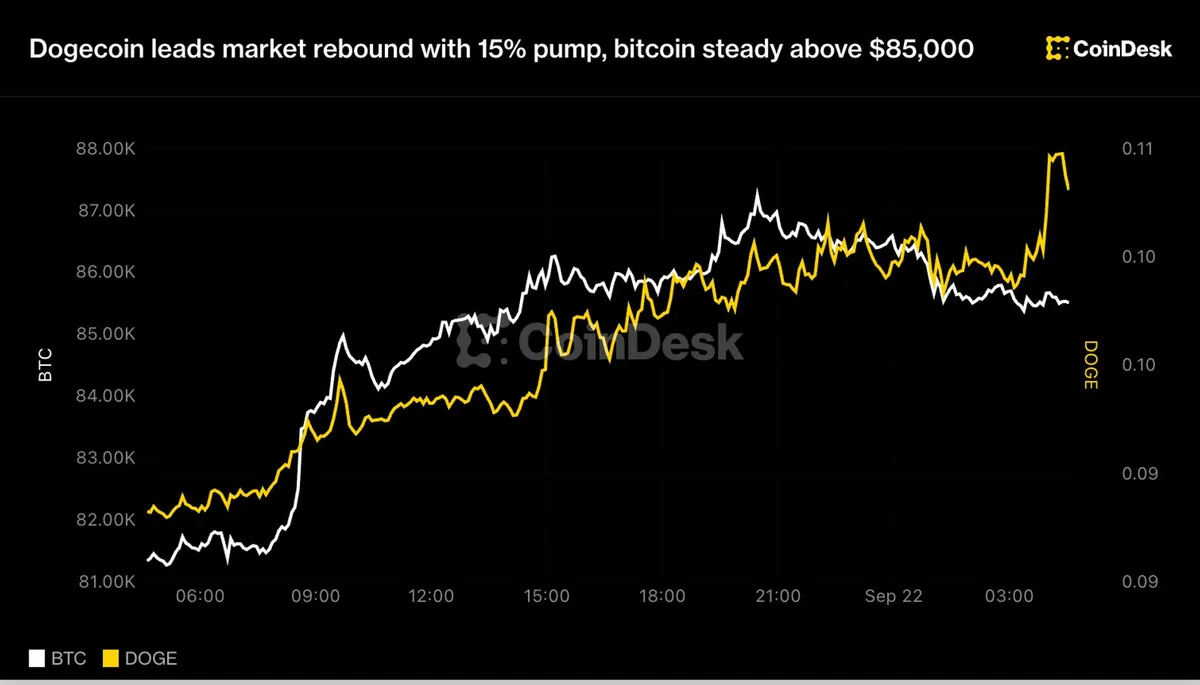
Dogecoin's 15% surge drives market recovery as bitcoin stabilizes above $85,000

Cardano adds tools for AI agent payments, joining Solana and XRP Ledger

Trueo prediction market moves from Base to Ethereum