President Trump Signs AI Executive Order After Delaying It Over China Concerns
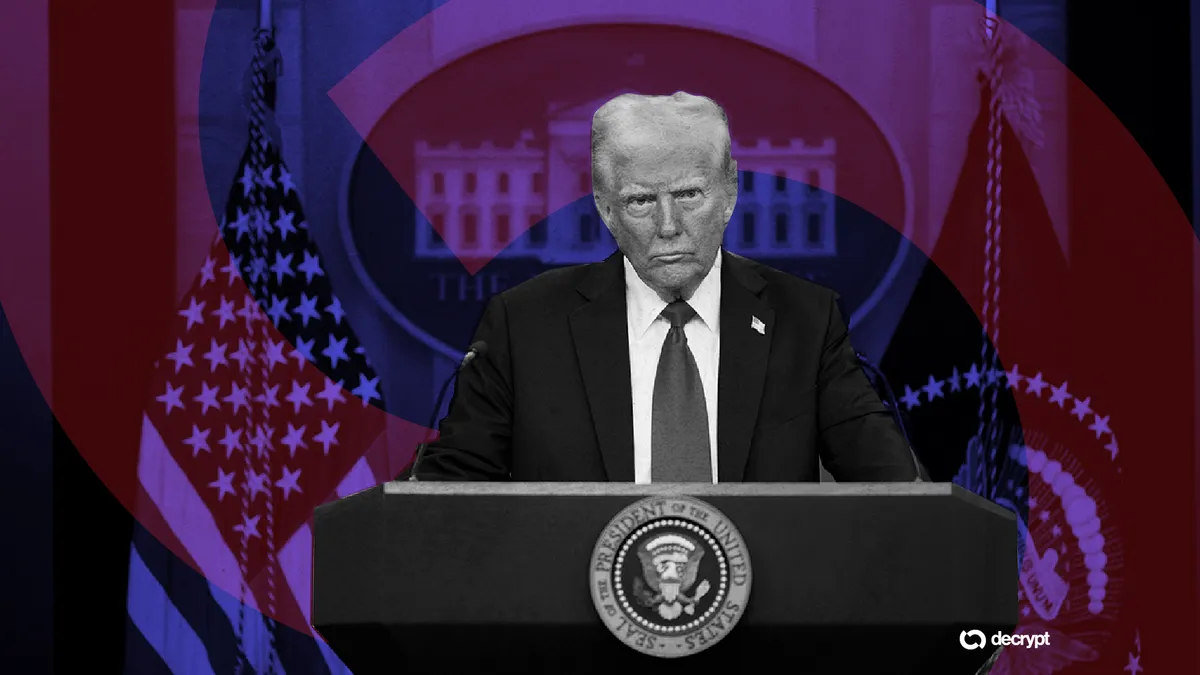
President Donald Trump has officially signed an executive order aimed at establishing a voluntary framework for the assessment and review of advanced artificial intelligence (AI) models. This order comes after a period of delay, primarily driven by concerns over China's advancements in AI technology and its implications for national security. The executive order outlines several key initiatives, including the expansion of AI-driven cybersecurity efforts, which are intended to bolster the nation’s defenses against potential threats posed by malicious actors leveraging AI in cyberattacks.
The backdrop to this executive order is the ongoing race between the United States and China in the field of AI technology. Over the past few years, there has been heightened awareness regarding the strategic importance of AI as both a tool for innovation and a potential weapon in geopolitical conflicts. The U.S. government has been increasingly concerned about the implications of China's rapid advancements in AI, particularly in areas related to military applications and surveillance technologies. By implementing this executive order, the Trump administration aims to ensure that the U.S. maintains a competitive edge in AI while simultaneously safeguarding its national interests.
This initiative is significant for the market as it reflects a growing acknowledgment of the role AI plays across various sectors, including finance, healthcare, and tech. Investors are likely to view the executive order as a positive signal for the U.S. tech industry, which could benefit from increased funding and support for AI development. The focus on cybersecurity is particularly relevant, as businesses and consumers alike are increasingly concerned about data breaches and cyber threats. By fostering a framework for responsible AI use, the government may help to instill greater confidence in AI technologies and their applications, potentially leading to increased investment in the sector.
Industry reactions have been mixed, with some experts expressing support for the move while others raise concerns about the voluntary nature of the framework. Proponents argue that a structured approach to AI oversight can foster innovation while mitigating risks. However, critics contend that a voluntary framework may not be sufficient to address the rapid pace of AI development and the potential for misuse. They emphasize the need for more stringent regulations and guidelines to ensure ethical use of AI technologies, as well as to protect the interests of consumers and businesses alike.
Looking ahead, the impact of this executive order on the AI landscape remains to be seen. It will be crucial for stakeholders across the industry to engage in the development of this framework and to collaborate on best practices for AI deployment. As the global competition in AI technology intensifies, the U.S. will need to navigate complex challenges, balancing innovation with security concerns. The outcome of this initiative could set the stage for future policies aimed at shaping the trajectory of AI development and its integration into society.

CoinMagnetic Team
Crypto investors since 2017. We trade with our own money and test every exchange ourselves.
Updated: June 2026
From our insights:
Related news

ECB and EU central banks propose liquidity thresholds for stablecoins
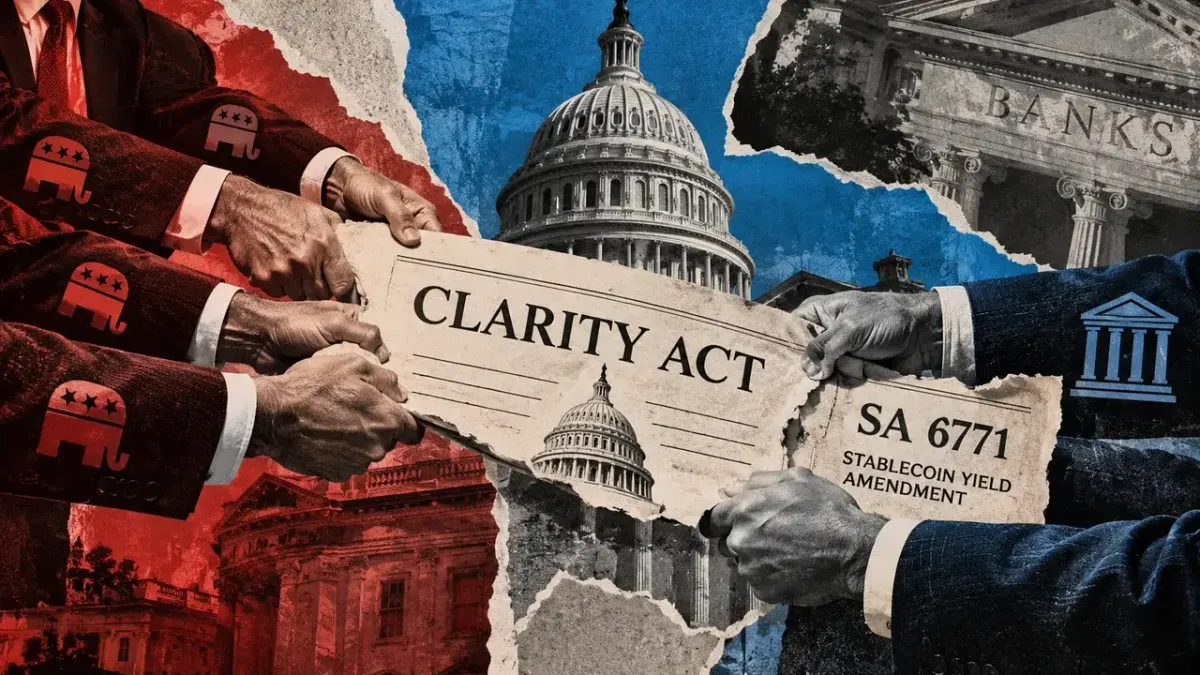
Four GOP senators backing CLARITY Act seek changes to stablecoin provisions

US investigates Binance for potential Iran-linked trading violations
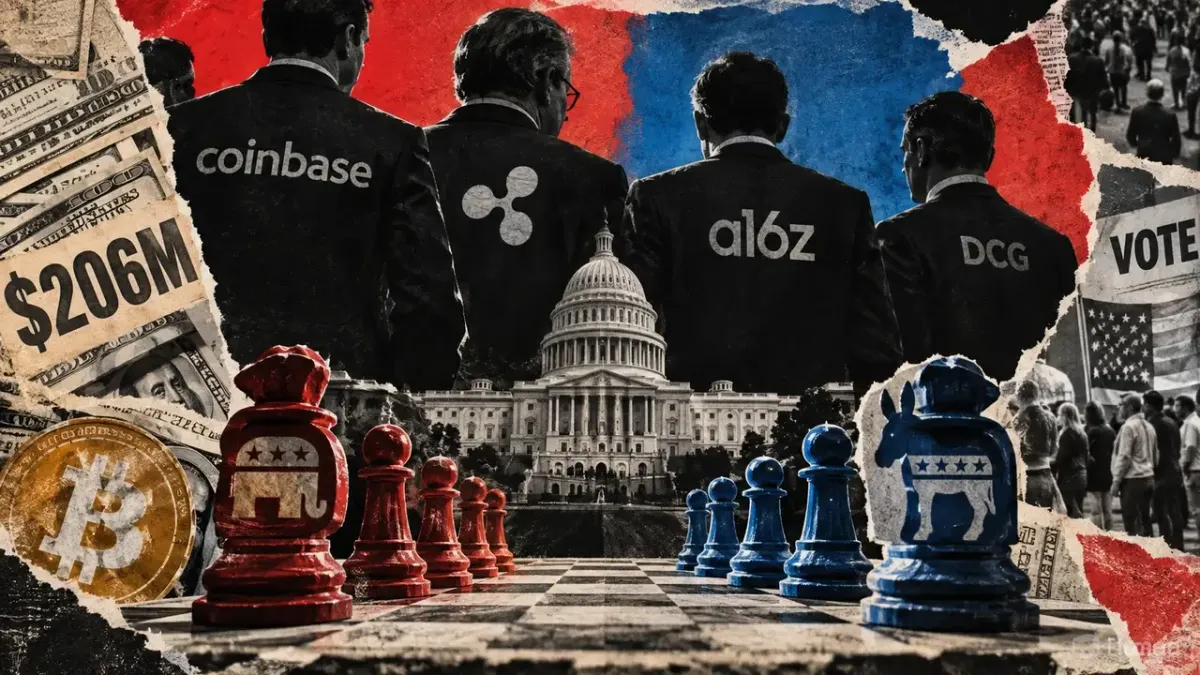
Crypto sector emerges as top donor with $206 million in midterms backing
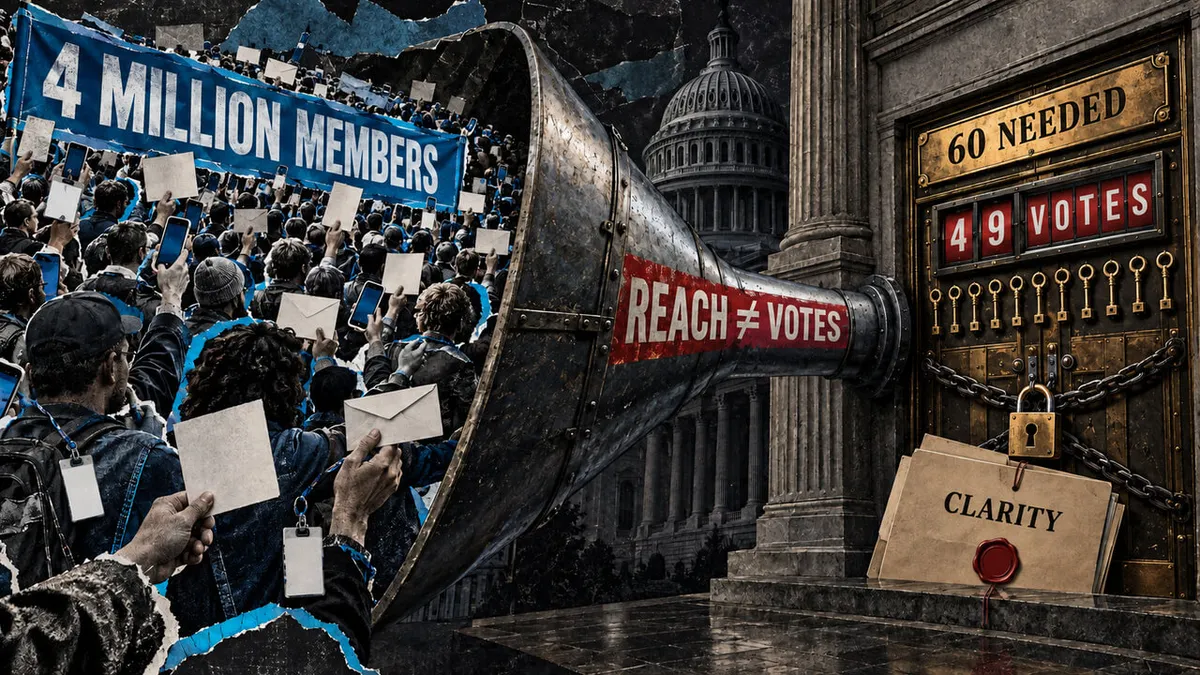
Stand With Crypto’s 4 million registered advocates couldn’t get the CLARITY Act through the Senate