Pope’s Anti-AI Warnings May Be AI-Written, Detection Tool Claims
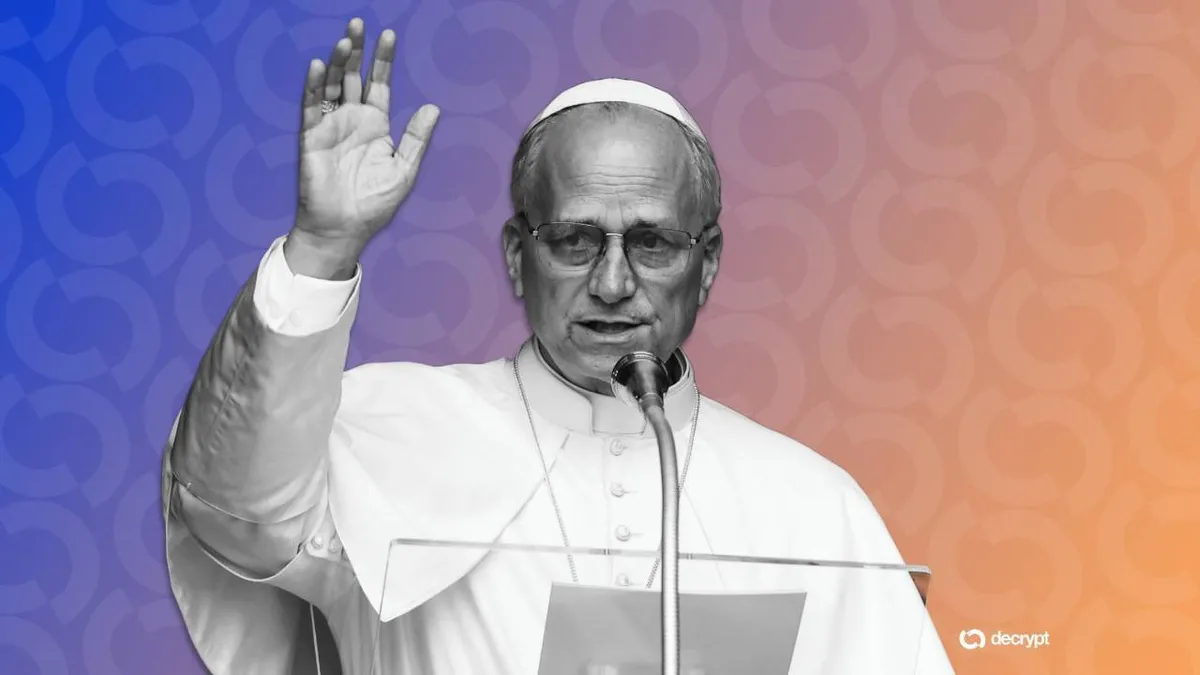
Recent news has emerged about the Pope's warnings regarding artificial intelligence, raising eyebrows about their authenticity. According to Pangram Labs, a developer of AI detection tools, their browser extension has flagged several posts from the Pope’s X account as potentially being AI-generated. This revelation highlights the ongoing debate surrounding the influence of AI in communication and the integrity of messages attributed to influential figures. The posts in question, which caution against the unchecked development of AI and its implications for humanity, have sparked discussions about the role of AI in shaping narratives and the ethical considerations that come with it.
To understand the significance of this situation, it's essential to consider the background of the Pope's stance on technology and AI. Over recent years, he has expressed concerns about the ethical implications of technological advancements, emphasizing the need for a moral framework to guide their development. The Catholic Church has long been a voice for ethical considerations in societal issues, and the Pope's warnings about AI fit within this broader context. However, with the recent claims that these messages might be AI-generated, the authenticity and reliability of his voice are now under scrutiny.
The implications for the market are noteworthy, particularly as AI technology continues to gain traction across various sectors. If influential figures like the Pope are perceived to be using AI in their communications, it could fundamentally alter public trust in both AI and the messages conveyed by such prominent individuals. This could lead to skepticism around AI-generated content and further complicate the relationship between technology and society. Investors and stakeholders in the AI sector may need to reassess how the public perceives AI-generated content, which could influence future developments and regulatory scrutiny.
Industry reactions have been mixed, with some experts expressing concern over the potential erosion of trust in authentic voices, while others see it as a natural evolution in a world increasingly influenced by technology. Some commentators argue that the use of AI tools to create messages, even if they are flagged as such, could still reflect the thoughts and intentions of the original authors–whether human or AI. The dilemma lies in distinguishing between authentic human expression and AI-generated content, a challenge that many in the industry are grappling with as the technology evolves.
Looking ahead, it is likely that this incident will prompt further discussions about transparency, authenticity, and the ethical use of AI in communication. As AI detection tools become more sophisticated, the question of what constitutes "real" communication will remain a topic of debate. The Pope's office may need to clarify its approach to digital communication, particularly as it pertains to AI, to maintain credibility and trust among followers. This situation serves as a reminder that as we navigate the complexities of technological advancements, we must also consider the ethical implications and the potential for misinterpretation in a rapidly changing landscape.

CoinMagnetic Team
Crypto investors since 2017. We trade with our own money and test every exchange ourselves.
Updated: April 2026
From our insights:
Related news
CFTC issues warning on manipulation risks in prediction markets tied to mentions

Ancient wallets move $161 million in bitcoin, including 600 BTC today
CFTC Chairman Selig emphasizes need for markets to adapt to mass tokenization

Republican senator seeks investigation into presidential sons' crypto ties

OpenAI cuts prices 50% on mid-tier models as Anthropic unveils Claude Opus 5.5