Polymarket Inks US, Canada Deal with European Soccer League LaLiga
Polymarket, the decentralized prediction market platform, has recently announced a significant multi-year partnership with LaLiga, the prominent European soccer league, covering both the United States and Canada. This collaboration signals Polymarket's strategic move to expand its footprint in the traditional sports market, as it seeks to bridge the gap between the world of crypto and mainstream sports betting. By leveraging LaLiga's extensive fanbase, Polymarket aims to enhance user engagement and broaden its offerings, providing fans with an innovative way to predict outcomes of various sporting events.
To understand the implications of this partnership, it is essential to consider the evolving landscape of both the cryptocurrency and sports betting industries. Prediction markets have gained traction in recent years, allowing users to place bets on the outcomes of events based on collective intelligence. LaLiga, which boasts a massive following in North America, presents a unique opportunity for Polymarket to tap into a lucrative market where sports betting is becoming increasingly accepted and regulated. As more sports leagues embrace partnerships with crypto platforms, the lines between traditional betting and decentralized finance continue to blur.
This collaboration is noteworthy for the market as it highlights the growing acceptance of cryptocurrency-based platforms in mainstream sports. With Polymarket stepping into the spotlight, there could be a ripple effect in the broader sports betting ecosystem. As more users become familiar with prediction markets, it may pave the way for similar partnerships across various sports leagues, ultimately leading to an expansion of crypto adoption within the sports sector. This could also foster greater legitimacy for decentralized platforms as they gain recognition from established organizations.
Industry experts have reacted positively to this development, emphasizing the benefits of such partnerships for both parties involved. Analysts believe that aligning with a high-profile league like LaLiga not only boosts Polymarket's visibility but also reinforces the idea that cryptocurrency is becoming a viable alternative to traditional betting methods. Furthermore, this partnership may encourage other sports leagues to explore similar collaborations, driving innovation in how fans engage with their favorite sports.
Looking ahead, it will be interesting to see how Polymarket leverages this partnership to create unique offerings for users. As the platform continues to develop its product lineup and foster relationships within the sports industry, we anticipate more announcements that could further shape the landscape of sports betting and prediction markets. The success of this collaboration may serve as a blueprint for future endeavors in the realm of crypto and sports, marking a new era for both industries.

CoinMagnetic Team
Crypto investors since 2017. We trade with our own money and test every exchange ourselves.
Updated: April 2026
From our insights:
Related news

SoFi begins stablecoin settlement on Mastercard network for program expected to exceed $25 billion in annualized volume

A $3.2 million 'bitcoin butterfly' option trade bets on $95,000 by the end of October

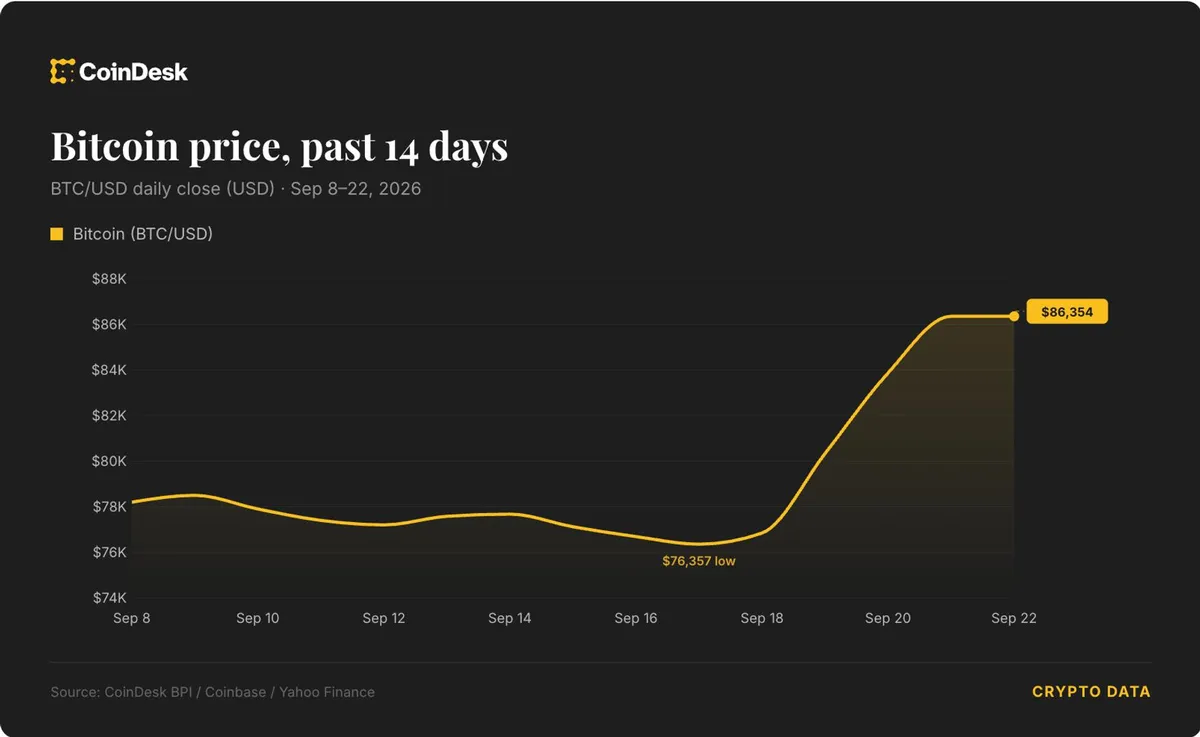
Bitcoin surges past $86,000 as $1 billion in shorts are liquidated, eyes on $90,000
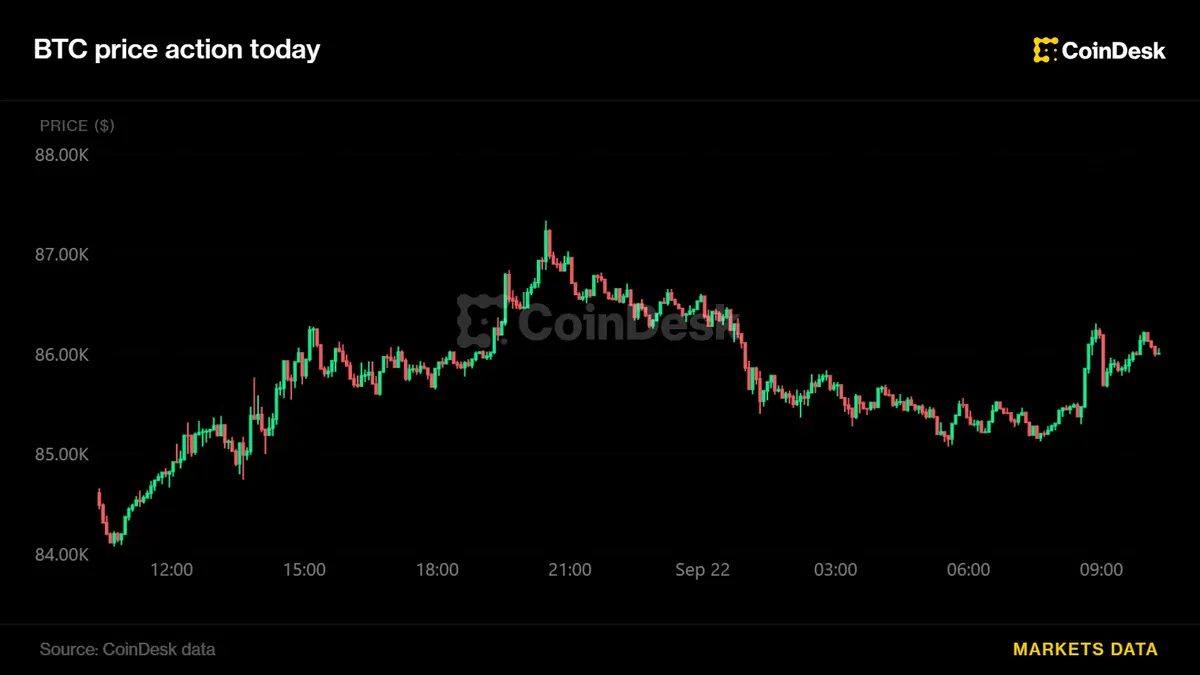
Bitcoin bounces back to $86,000 as oil prices decline and stocks rise

Prediction markets projected to reach $10 trillion by 2035, surpassing sports