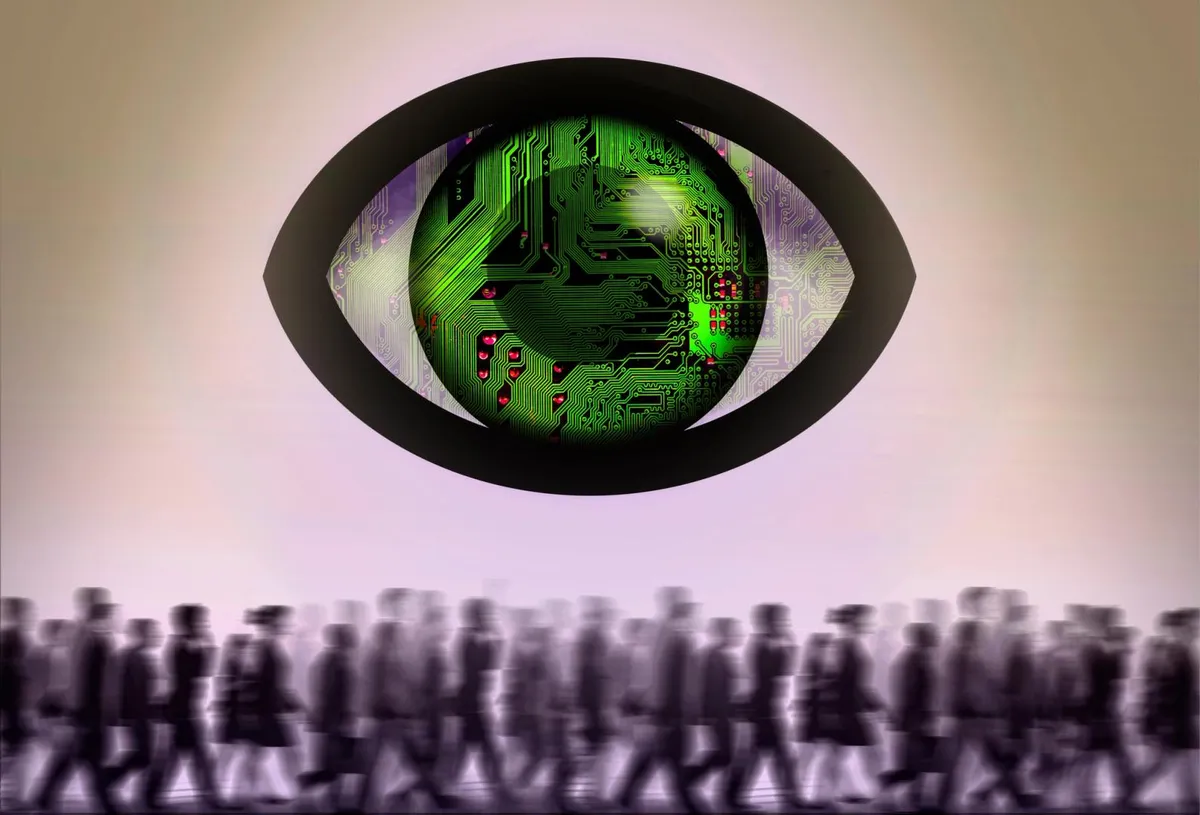
Protests against AI data centers lead to 37 arrests of Americans this year

This year has seen a significant escalation in protests against AI data centers across the United States, culminating in the arrest of 37 Americans. These protests highlight growing public concern over the impact of massive computing facilities on local communities. As demonstrators rally against the expansion of AI infrastructure, tensions between activists and law enforcement have intensified, leading to a series of confrontations that have drawn national attention.
The backdrop to these protests is a rising unease about the rapid proliferation of AI technologies and the data centers that support them. As cities and towns across the country contend with the environmental and social implications of these facilities, local disputes have begun to coalesce into a broader political movement. The protests reflect a growing desire among citizens to have a say in the technological developments taking place in their communities, often spurred by concerns over energy consumption, privacy, and job displacement.
The significance of these arrests cannot be understated, as they indicate a shift in how local grievances regarding AI infrastructure are being perceived at a national level. The protests have brought to light the broader implications of AI development, especially as it pertains to local economies and environments. Investors and tech companies may need to consider the potential fallout from these movements, as public sentiment could influence regulatory frameworks and project approvals in the future.
Industry experts have weighed in on the situation, noting that while the technological advancements associated with AI are revolutionary, they cannot come at the expense of community welfare. Many advocates for responsible AI development are calling for a more inclusive approach to project planning, emphasizing the need for community engagement and transparency. The arrests serve as a wake-up call for tech companies to address public concerns proactively rather than reactively.
Looking ahead, it remains to be seen how these protests will shape the future of AI data centers in the U.S. As the movement gains traction, policymakers may be prompted to reevaluate regulations surrounding AI infrastructure. The continued push for community involvement in technology deployment suggests that the conversation about AI's role in society is far from over, and stakeholders will need to navigate these complex dynamics moving forward.

CoinMagnetic Team
Crypto investors since 2017. We trade with our own money and test every exchange ourselves.
Updated: August 2026
From our insights:
Related news

SBI invests millions in Singapore startup for stablecoin expansion

FCA outlines UK limits for offshore crypto firms ahead of 2027 regulations

Kevin O'Leary predicts Bitcoin at $1 million if quantum issues resolved

Bitcoin rallies to $81K as US bond yields rise amid global oil concerns

Bitcoin surges 5.88% to near 2026 highs as short squeeze unfolds