People Are More Willing to Lie to AI Than Humans, Study Finds
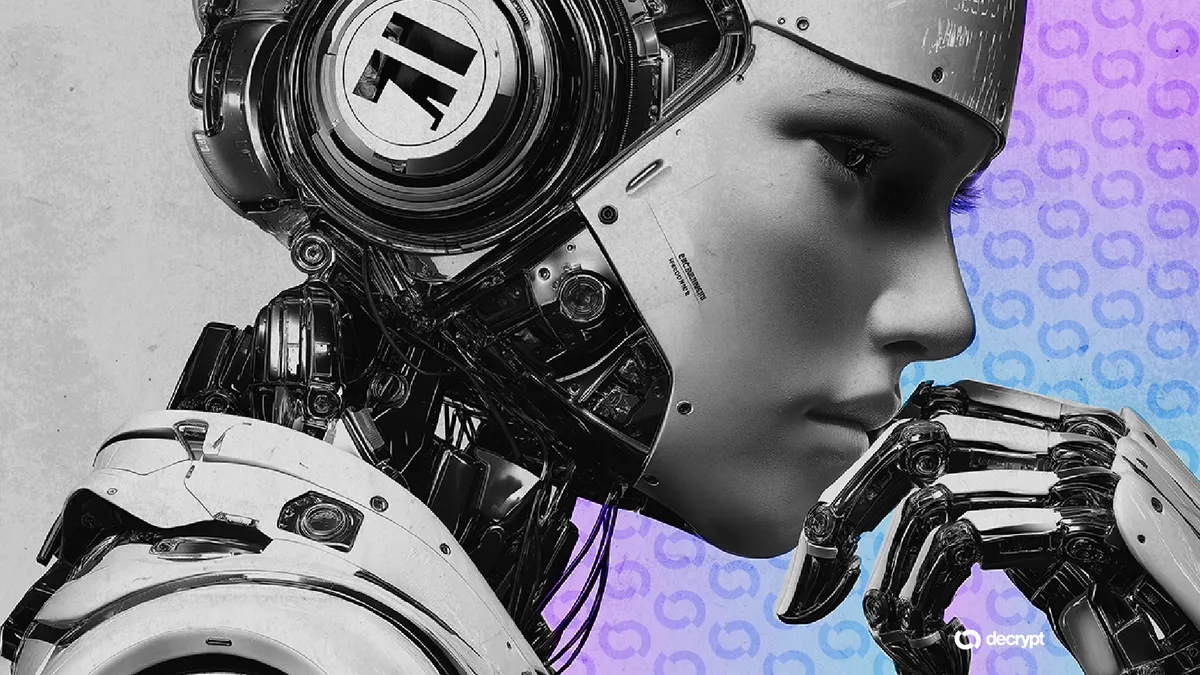
A recent study has revealed intriguing insights into human behavior regarding honesty and deception, particularly in interactions with artificial intelligence. Researchers found that individuals are significantly more willing to lie to AI chatbots than to other humans. This tendency stems from the lower social pressure associated with AI interactions, as participants felt less compelled to adhere to social norms when communicating with a machine. The implications of this study raise important questions about the ethical considerations of AI design and the potential impact on human behavior in various contexts.
To provide some background, the study was conducted against a backdrop of increasing reliance on AI technologies in daily life, including chatbots for customer service, mental health support, and even companionship. As AI systems become more sophisticated and human-like in their interactions, understanding how people relate to them is crucial. The researchers aimed to explore the psychological dynamics of lying in these interactions, particularly how the absence of human social cues influences behavior. Findings indicated that the more human-like the AI appeared, the more likely individuals were to behave honestly, highlighting the powerful role of social context in guiding ethical behavior.
This research is significant for the broader market, particularly in sectors where AI is becoming integral to customer interaction and service delivery. Companies may need to consider how their AI systems are designed to encourage honesty and transparency. As businesses increasingly integrate AI into their operations, understanding these behavioral nuances will be critical to maintaining trust with consumers. This study underscores the importance of ethical AI deployment, as organizations must navigate the delicate balance between efficiency and the promotion of honest communication.
Industry experts have weighed in on the findings, noting that the implications extend beyond mere consumer interactions. Some argue that the study highlights a need for AI developers to incorporate ethical frameworks into the design of chatbots and other AI systems. The ability to prompt honesty or discourage deceitful behavior could be a valuable feature for businesses. Others caution that fostering a more honest interaction with AI could inadvertently lead to increased manipulation or exploitation of these systems, raising further ethical questions about accountability and responsibility.
Looking ahead, the findings of this study could prompt further research into human-AI interactions. As AI continues to evolve, understanding the psychological factors at play will be essential for developers, businesses, and consumers alike. It may pave the way for new guidelines on ethical AI development and usage, ensuring that technology enhances human experiences without compromising moral standards. The conversation surrounding honesty in AI interactions is just beginning, and it will be interesting to see how this shapes the future of AI technology and its integration into society.

CoinMagnetic Team
Crypto investors since 2017. We trade with our own money and test every exchange ourselves.
Updated: May 2026
From our insights:
Related news

Iran hints at reopening Strait of Hormuz, WTI oil drops to $89

New altseason signal emerges as Bitcoin market cap stays under 60%

Bitcoin nears $86,000 as crypto market cap surpasses $3 trillion

Bitcoin's weekly close above $81,000 signals potential rise to $90,000

Elon Musk's X integrates bitcoin trading options for U.S. users