Pentagon Signs AI Deals With Google, OpenAI, Nvidia, Microsoft, Amazon and SpaceX

The Pentagon has made significant strides in integrating artificial intelligence into its operations by signing agreements with major tech players, including Google, OpenAI, Nvidia, Microsoft, Amazon, and SpaceX. These contracts aim to facilitate the deployment of AI technologies within the Department of Defense’s top-secret military networks. This move marks a pivotal shift in how the military intends to leverage cutting-edge AI capabilities for national security purposes, enhancing both operational efficiency and strategic decision-making.
The backdrop to these agreements lies in an increasing recognition of the potential for AI to revolutionize various sectors, including defense. Over the past few years, the Pentagon has shown a growing interest in utilizing AI to analyze vast amounts of data, automate processes, and improve situational awareness. With advancements in machine learning and data processing, military officials believe that integrating these technologies can provide a significant edge in modern warfare. The partnerships with industry giants indicate a serious commitment to harnessing innovation from the private sector to bolster national security.
The implications of these contracts are profound for both the military and the broader AI market. By collaborating with leading companies, the Pentagon not only accelerates its own technological advancements but also legitimizes the capabilities of these AI solutions in high-stakes environments. This integration is likely to spur further investment and research within the AI sector, as other governments and organizations observe the successful implementation of AI in defense applications. As the military adopts these technologies, we may see a ripple effect across various industries, pushing more players to explore AI solutions and partnerships.
Industry reactions have been mixed, with experts weighing in on the potential benefits and ethical considerations of such collaborations. Many in the tech community are excited about the opportunities for innovation and the potential to solve complex problems with AI. However, there are also concerns about the implications of merging AI with military operations, particularly regarding accountability and the ethical use of technology. Some experts caution that while AI can enhance capabilities, it also raises critical questions about the role of machine decision-making in life-and-death scenarios.
Looking ahead, the trajectory of these partnerships will be closely monitored as they unfold. The Pentagon's willingness to engage with top-tier tech companies could set a precedent for future collaborations between the military and the private sector. As these AI solutions are integrated and tested within military frameworks, we can expect ongoing discussions about the ethical implications of using AI in defense. The next few years may reveal not only the effectiveness of AI in military applications but also shape the public perception of AI's role in society at large.

CoinMagnetic Team
Crypto investors since 2017. We trade with our own money and test every exchange ourselves.
Updated: May 2026
From our insights:
Related news

ECB and EU central banks propose liquidity thresholds for stablecoins
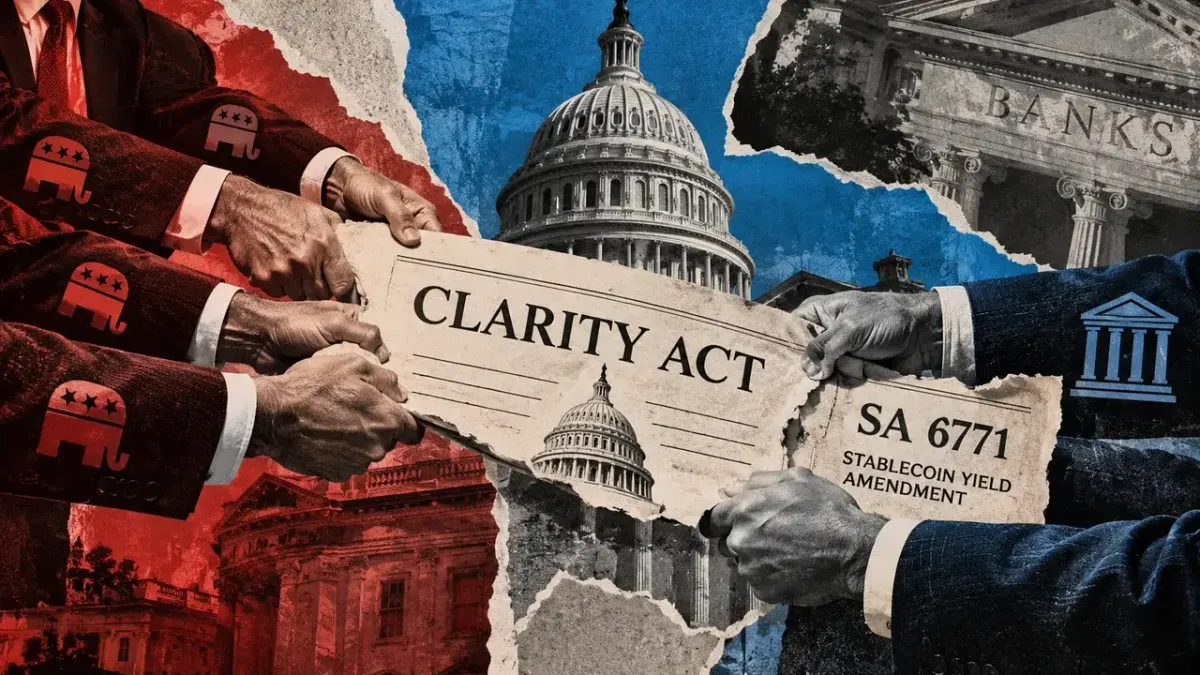
Four GOP senators backing CLARITY Act seek changes to stablecoin provisions
US investigates Binance for potential Iran-linked trading violations
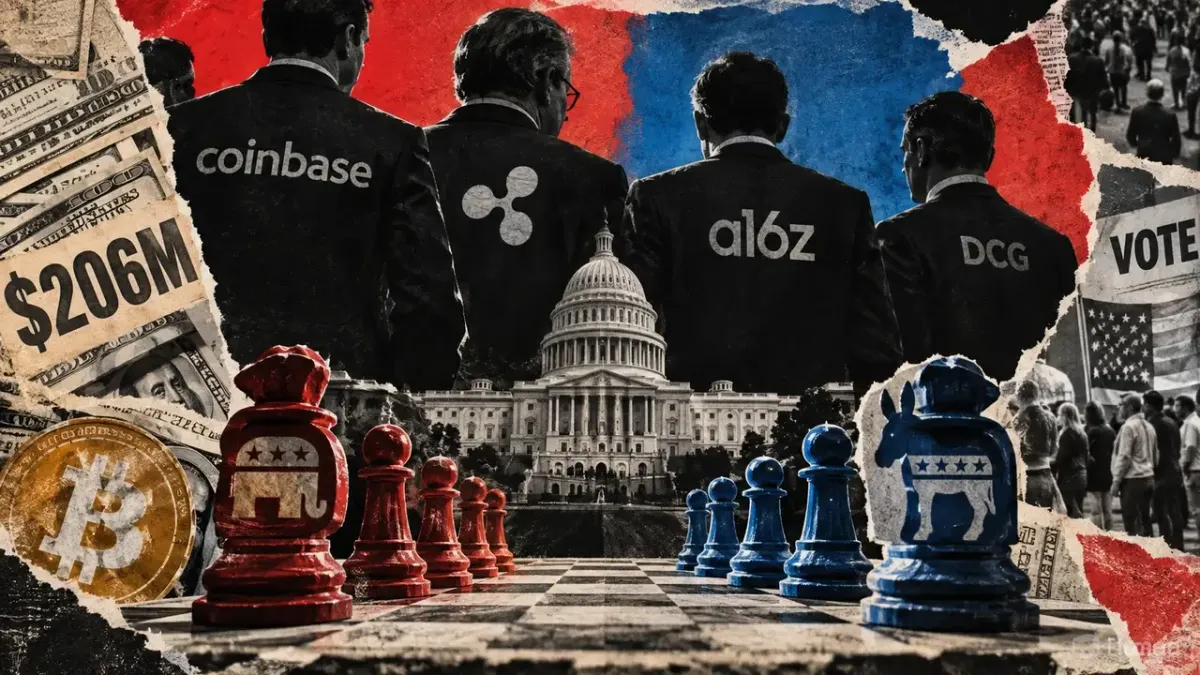
Crypto sector emerges as top donor with $206 million in midterms backing
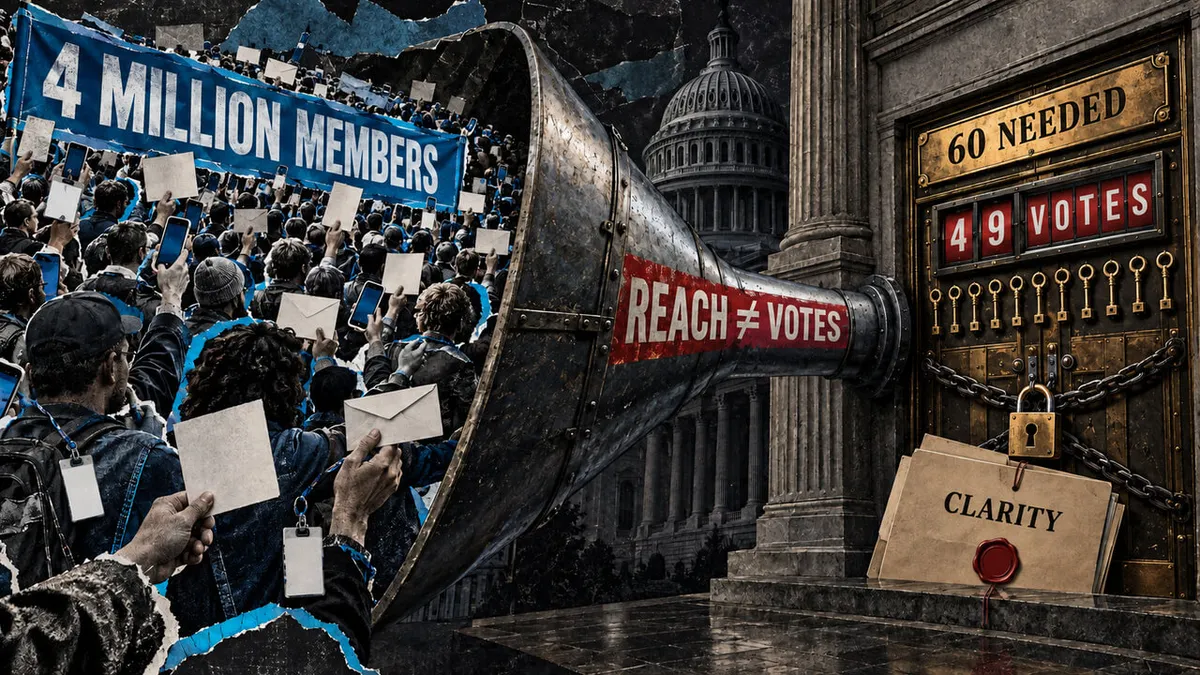
Stand With Crypto’s 4 million registered advocates couldn’t get the CLARITY Act through the Senate