Paradigm researcher proposes timestamp ‘escape hatch’ to protect Satoshi-era bitcoin from quantum threats

In a recent development, a researcher from Paradigm has proposed an innovative solution aimed at safeguarding Satoshi-era Bitcoin from potential quantum computing threats. The concept involves a mechanism termed "timestamp escape hatch," or PACT. This proposal seeks to provide long-term Bitcoin holders with a way to prepare for the coming quantum era without necessitating the movement of their funds or creating any on-chain signals that could potentially attract unwanted attention. The PACT mechanism is designed to enhance the security of Bitcoin holdings, especially for those who are concerned about the implications of quantum computing on cryptographic security.
The concern surrounding quantum computing's impact on cryptocurrencies has been a topic of discussion for several years. As quantum technology advances, the fear is that these powerful computers could break the cryptographic algorithms that underpin Bitcoin and other cryptocurrencies, potentially allowing malicious actors to access funds. Satoshi-era Bitcoin, in particular, is at risk as it relies on cryptographic signatures that could potentially be compromised by quantum capabilities. This context sets the stage for the need for innovative solutions like the PACT proposal, highlighting the ongoing tension between technological advancement and security in the crypto space.
The introduction of PACT could have significant implications for the cryptocurrency market. By providing a mechanism that allows Bitcoin holders to take proactive measures without altering the state of their holdings on the blockchain, it could enhance confidence among investors worried about quantum threats. If widely adopted, this solution may also lead to increased stability in the market, as holders would feel more secure in their long-term investments. Additionally, it could encourage more discussions around the intersection of quantum computing and blockchain technology, potentially leading to further innovations in the space.
Reactions from industry experts have been generally positive, with many acknowledging the foresight of such a proposal. Some experts emphasize that while the threat from quantum computing is still theoretical, preparing for it now could prevent significant disruptions in the future. Others have pointed out the importance of community consensus and education regarding PACT, as understanding its implications will be crucial for its acceptance and implementation. Overall, the proposal reflects an adaptive approach to emerging technologies and the potential vulnerabilities they bring to established systems.
Looking ahead, the success of the PACT proposal will depend on a variety of factors, including community engagement and the development of supporting technologies. If the Bitcoin community can rally around this concept, it could pave the way for additional protective measures against quantum threats. Moreover, ongoing research and discussions about quantum resilience in cryptocurrencies are likely to intensify, prompting further innovations and solutions to bolster security in the face of rapid technological advancements. The future of Bitcoin and its security landscape remains an evolving narrative, and proposals like PACT represent critical steps in navigating these challenges.

CoinMagnetic Team
Crypto investors since 2017. We trade with our own money and test every exchange ourselves.
Updated: May 2026
From our insights:
Related news
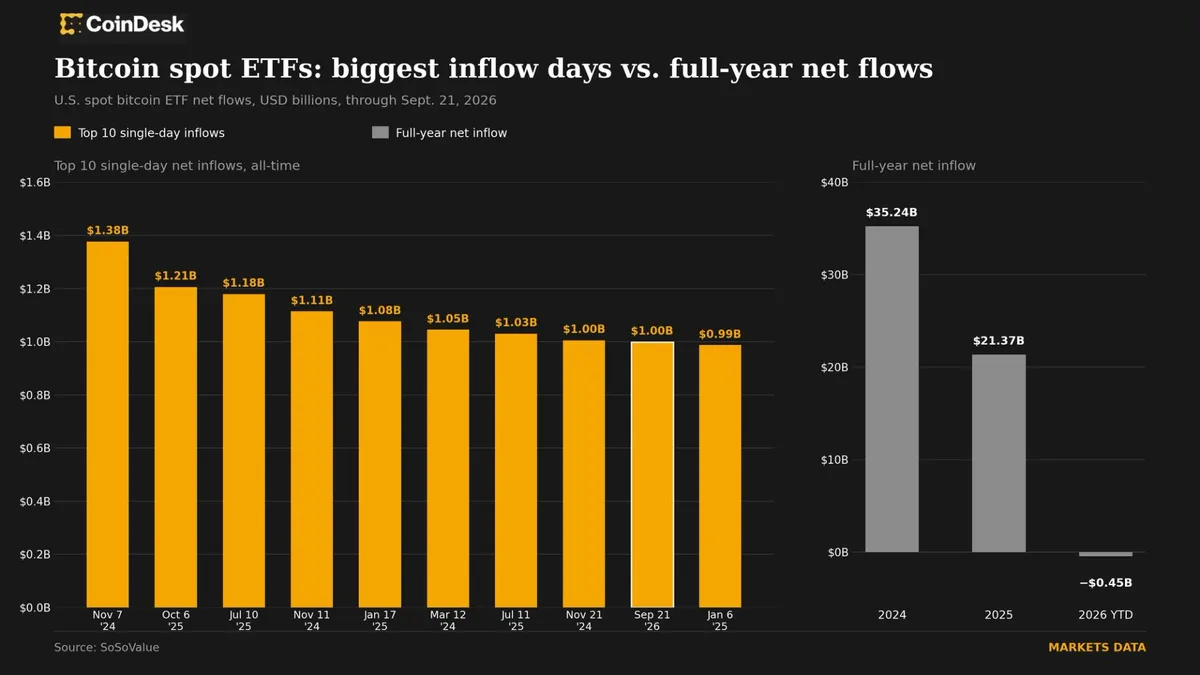
Spot bitcoin ETFs see nearly $1 billion inflow as bitcoin hits January highs

US spot Bitcoin ETFs see nearly $1 billion inflow, highest since October 2025

Bitcoin's rise to $86,000 restores profitability for ETF investors

Apple and Google seek crypto experts, signaling potential stablecoin initiatives

ECB initiates bond purchases using its own funds in crypto-linked system