Tether's WDK design raises concerns over developer accountability for overspending
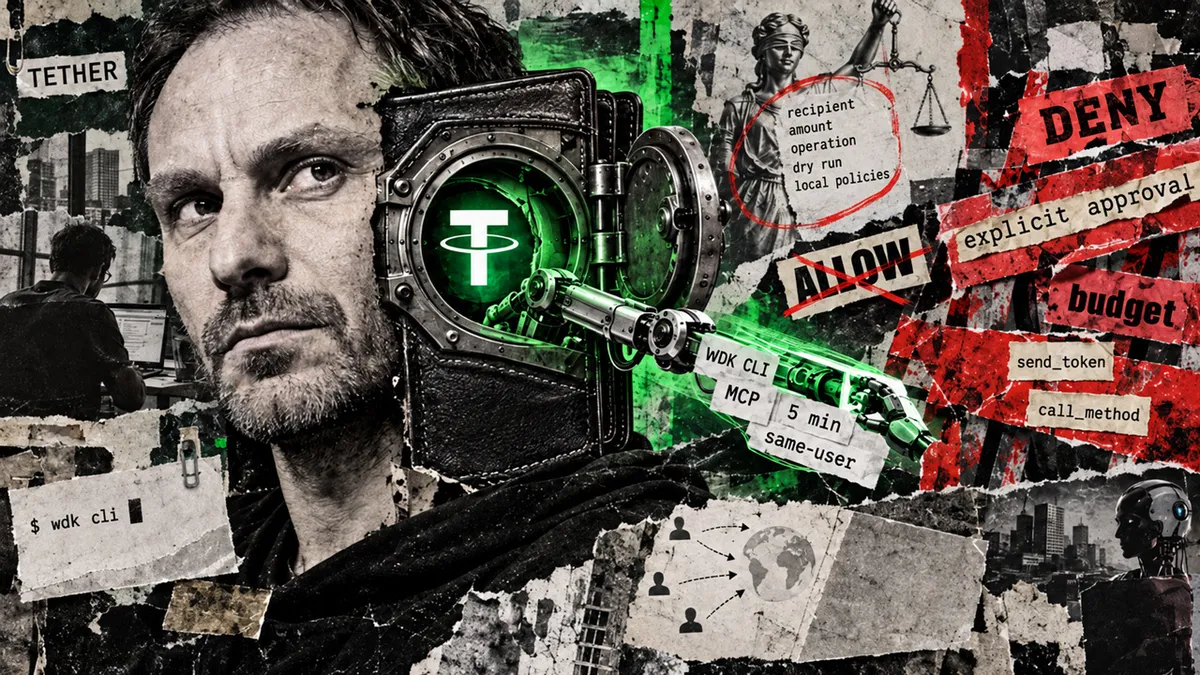
Paolo Ardoino, Tether's CTO, has expressed a vision for integrating AI agents to manage Tether holdings more effectively. This concept comes alongside the introduction of Tether's Wallet Design Kit (WDK), which fundamentally alters how wallet access and payment approval are managed. The WDK design allows for a separation between the two functions, meaning that while AI agents could theoretically handle the management of Tether, it places the responsibility of enforcing user limits squarely on developers. This shift raises questions about the implications of such a design on both the developers and the end users.
The backdrop of this development lies in the broader context of cryptocurrency wallet management and the increasing role of automation in finance. As digital assets grow in popularity, the tools and frameworks that support their use must evolve. Ardoino's focus on AI reflects a growing trend where technology is expected to play a more significant role in managing assets. However, the separation of wallet access from payment approval in the WDK could introduce complexities that developers may not be prepared to handle, particularly concerning user expectations around spending limits.
This matter is critical for the market as it highlights the ongoing challenges in cryptocurrency wallet design. As the industry matures, the need for robust security measures and user-friendly interfaces becomes paramount. If developers are left to manage overspending risks without adequate tools or guidelines, this could lead to user dissatisfaction and potential financial losses. Moreover, it could impact Tether's position in the market, as users may seek alternatives that provide better safeguards against such issues.
Industry reactions have been mixed, with some experts lauding the innovative approach of incorporating AI into asset management while others express concern over the potential pitfalls for developers. Critics argue that the increased complexity could lead to a higher likelihood of errors or misuse, ultimately harming user trust. On the other hand, proponents believe that with the right frameworks in place, the advantages of AI could far outweigh the risks associated with developer accountability.
Looking ahead, the next steps for Tether will likely involve refining the WDK and addressing the concerns raised by both developers and users. As the conversation around AI in finance continues to evolve, it will be crucial for Tether to ensure that its systems are not only innovative but also secure and user-friendly. This balance will be essential in maintaining trust and confidence in Tether's offerings within the ever-competitive cryptocurrency landscape.

CoinMagnetic Team
Crypto investors since 2017. We trade with our own money and test every exchange ourselves.
Updated: September 2026
From our insights:
Related news

AI coding experiment bricks rooted LG television and earns an apology

Senator Blumenthal questions Tether about payments to former White House adviser firm
Spot bitcoin funds shed $636 million on Thursday to erase October inflows

Brent crude reaches March high as bitcoin holds above the 50-day moving average

Robinhood bitcoin and gold prediction markets expand as interest shifts from sports