Packs of Empty Waymos Are Weirding Out Atlanta Neighborhood
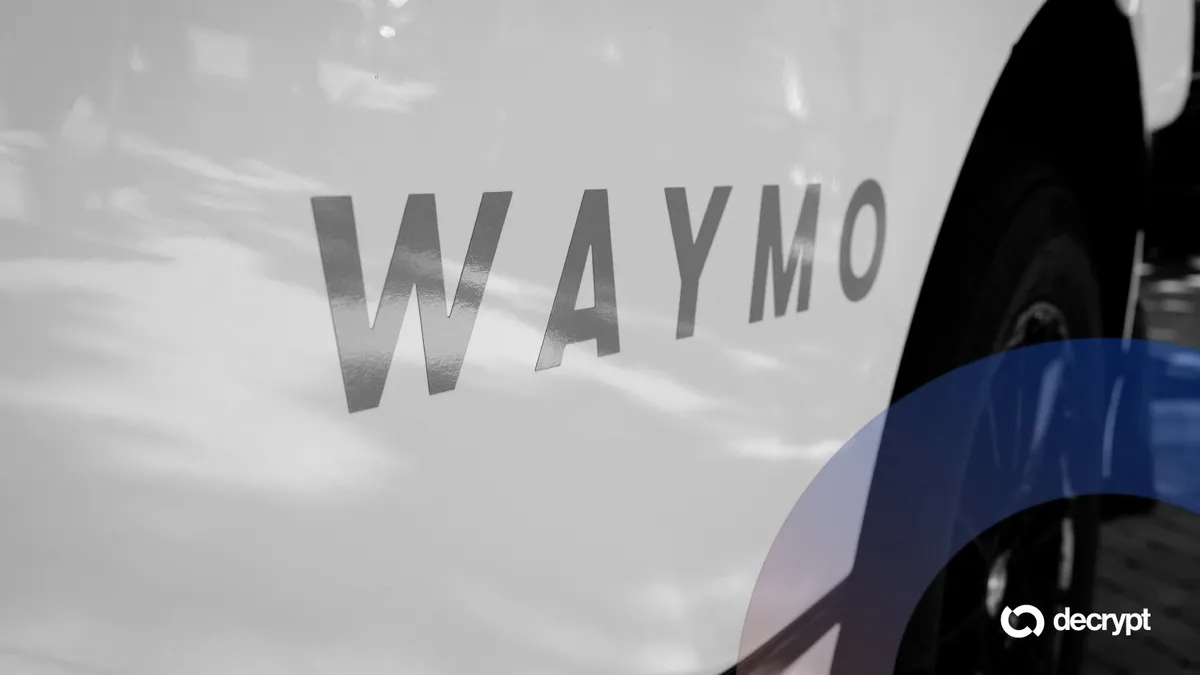
Residents in a northwest Atlanta neighborhood have reported a peculiar phenomenon involving empty Waymo robotaxis repeatedly circling their streets during the early morning hours. These self-driving vehicles, which are part of Waymo's autonomous taxi service, have been spotted making loops through residential areas, raising eyebrows and concerns among local residents. The unusual behavior has sparked curiosity and confusion, with many wondering why these vehicles are not picking up passengers or completing any rides. This situation has persisted for weeks, leading to speculation about the operational aspects of Waymo's services in the area.
Waymo, a subsidiary of Alphabet Inc., has been at the forefront of autonomous vehicle technology since its inception. Initially launched in 2009, the company has made significant strides in developing self-driving technology and has been piloting its robotaxi service in various locations. However, the company has faced challenges and scrutiny regarding its operational efficiency and safety. The recent reports of empty vehicles wandering residential neighborhoods have raised questions about the algorithms and routing choices employed by the Waymo system, particularly in terms of passenger demand and geographical restrictions.
The presence of these empty robotaxis is not just a local anomaly–it has broader implications for the autonomous vehicle market. As companies like Waymo strive to scale their operations, efficient route management and passenger engagement become critical components of success. The current situation in Atlanta highlights the challenges that autonomous vehicle companies face in navigating urban environments and meeting user expectations. This incident could also influence public perception of self-driving technology, which is already a topic of debate among safety advocates and tech enthusiasts alike.
Reactions from industry experts and local residents have varied. Some view the empty Waymo vehicles as a sign of the growing pains associated with implementing advanced technology in everyday life. Others express frustration, citing concerns about safety and the potential disruption caused by roaming vehicles. Waymo has yet to publicly address the specific reasons behind the unusual behavior of its robotaxis in Atlanta, but it is likely that the company will need to engage with the community to alleviate concerns and provide clarity on its operational strategies.
Looking ahead, it remains to be seen how Waymo will respond to this situation and whether adjustments will be made to its routing algorithms or operational protocols. As the company continues to test and refine its autonomous vehicle technology, it will need to ensure that its services align with both market demands and community expectations. The outcome of this incident could serve as a valuable case study for other companies in the autonomous vehicle space, as well as for policymakers tasked with regulating this rapidly evolving industry.

CoinMagnetic Team
Crypto investors since 2017. We trade with our own money and test every exchange ourselves.
Updated: May 2026
From our insights:
Related news

Bitcoin surges past $86,000 as $1 billion in shorts are liquidated, eyes on $90,000

Bitcoin bounces back to $86,000 as oil prices decline and stocks rise

Prediction markets projected to reach $10 trillion by 2035, surpassing sports

Iran hints at reopening Strait of Hormuz, WTI oil drops to $89

New altseason signal emerges as Bitcoin market cap stays under 60%