Overseas demand for U.S. equities is growing, says Robinhood's Johan Kerbrart
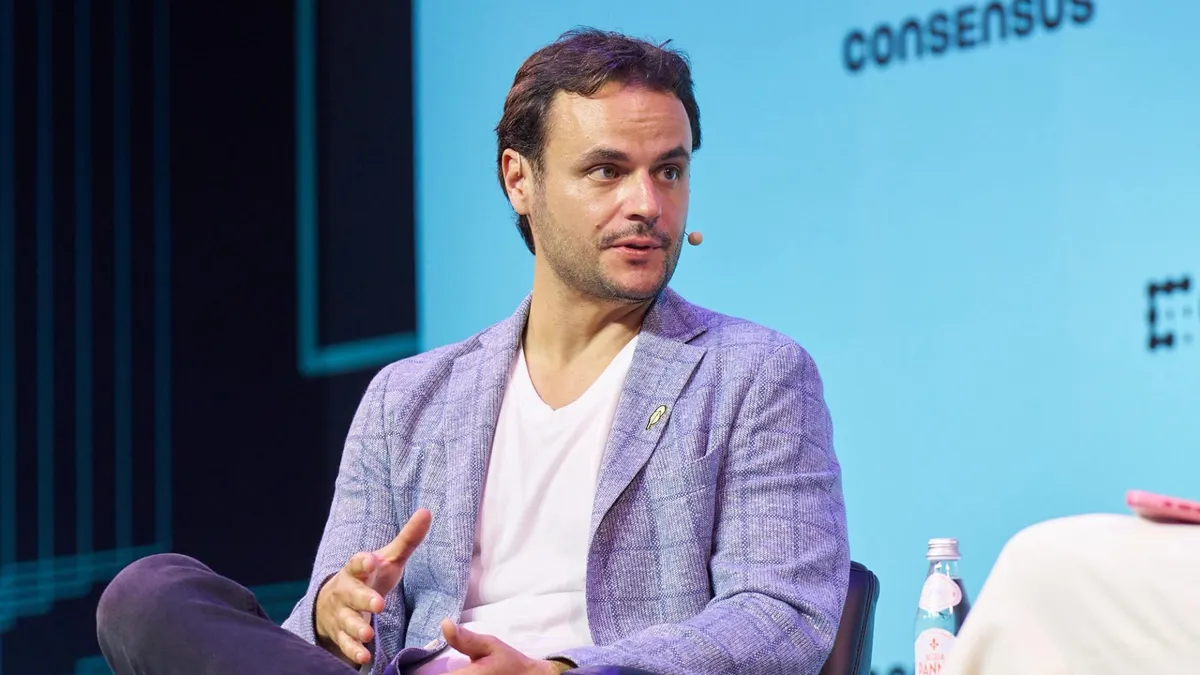
In a recent discussion, Johan Kerbrart, the senior vice president of Robinhood, highlighted a significant rise in overseas demand for U.S. equities. He attributed this growing interest to several factors, including the tokenization of assets, the availability of 24-hour trading, and evolving regulatory landscapes that are making it easier for international investors to engage with U.S. markets. Kerbrart’s insights come at a time when more investors are looking to diversify their portfolios beyond their local markets, seeking the potential benefits that U.S. equities can offer.
The context surrounding this trend is multifaceted. Historically, U.S. markets have been seen as the gold standard for investment opportunities, attracting both domestic and international investors. However, barriers such as time zone differences and regulatory restrictions have often limited access for overseas investors. The advent of technology, particularly in trading platforms and the rise of asset tokenization, has begun to dismantle these barriers, allowing for more seamless participation in U.S. equities. This shift is further bolstered by a global push for regulatory clarity, which is essential for building trust among international investors.
This trend is crucial for the market as it signifies a potential influx of capital from abroad, which could bolster U.S. equity valuations. Increased foreign investment could lead to enhanced liquidity in the markets, potentially benefiting both institutional and retail investors. Furthermore, the growing interest in tokenization could pave the way for innovative financial products, making it easier for investors to access a broader range of assets. As the barriers to entry continue to diminish, we may see a more integrated global market for equities.
Industry experts have responded positively to Kerbrart's observations, noting that the convergence of technology and finance is reshaping investment landscapes. Analysts emphasize that tokenization, in particular, could revolutionize how assets are traded and owned, offering fractional ownership and making investments more accessible to a wider audience. Additionally, the round-the-clock trading model aligns well with the increasingly global nature of finance, accommodating investors in different time zones and enhancing market efficiency.
Looking ahead, it will be interesting to observe how this trend evolves. As more international investors gain access to U.S. equities, we may see increased competition among trading platforms to cater to these new users. Additionally, regulatory bodies may need to adapt to the changing landscape to ensure that the market remains fair and transparent. The ongoing dialogue between technology, regulation, and investor needs will likely shape the future of trading, with implications for both U.S. and global markets.

CoinMagnetic Team
Crypto investors since 2017. We trade with our own money and test every exchange ourselves.
Updated: May 2026
From our insights:
Related news

OpenAI cuts prices 50% on mid-tier models as Anthropic unveils Claude Opus 5.5

Bernstein revises prediction markets to $10 trillion by 2035, up from $1 trillion

New Fed data reveals potential dangers in Bitcoin's rally

Anthropic’s New Claude Opus 5.5 Matches Fable at 60% the Price
Elon Musk's influence drives Dogecoin to highest price in months