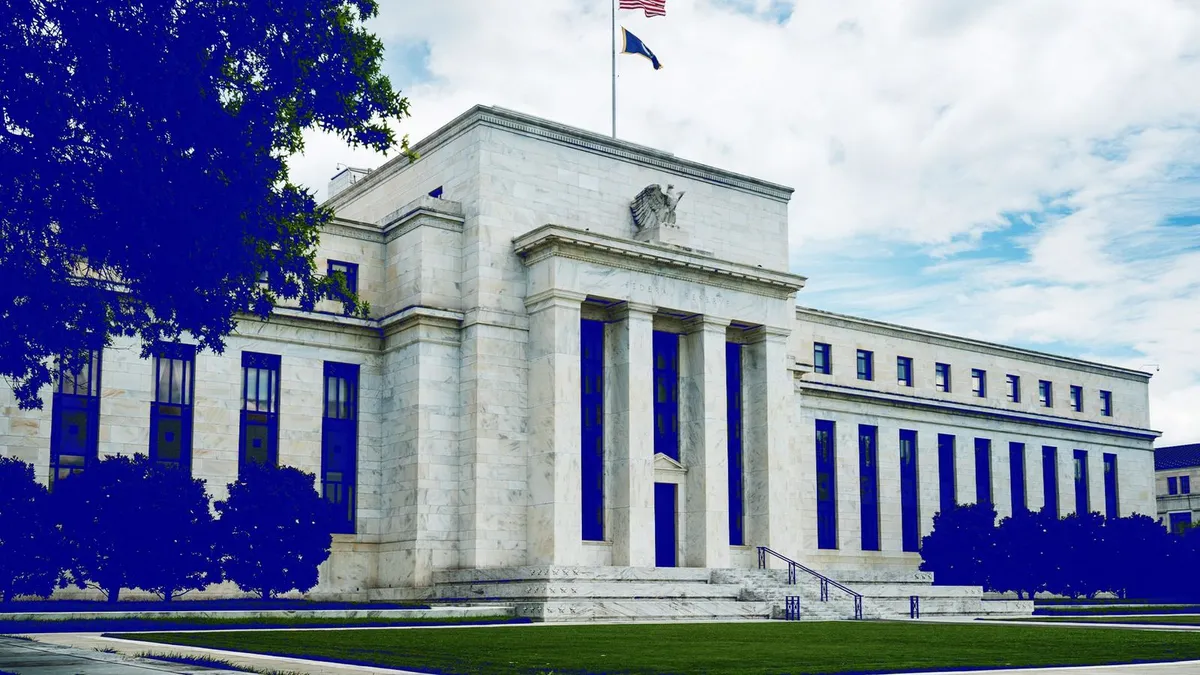
Outdated bank rules may keep crypto outside the banks now allowed to hold it
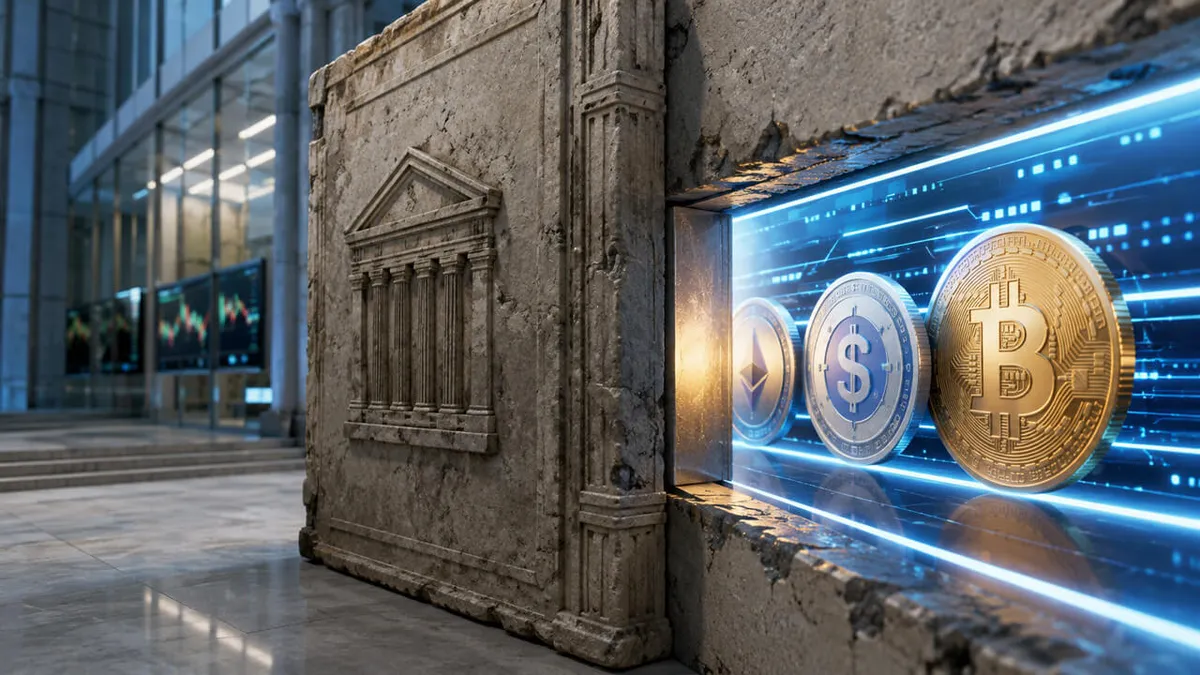
Recent developments in the banking sector have opened the door for banks in the US, UK, and Europe to engage with cryptocurrencies more directly. Regulatory frameworks now allow these institutions to issue stablecoins, custody Bitcoin, and settle tokenized funds. However, the existing capital rules, particularly those set by the Basel Committee's cryptoasset standard, still impose significant limitations. These rules effectively classify a Bitcoin position as a liability, which is at odds with the growing acceptance and integration of digital assets in the financial landscape.
To understand the implications of these outdated regulations, it is essential to look at the Basel Committee's framework, which has been in effect since January 1, 2023. The rules were designed to ensure that banks maintain sufficient capital to cover potential losses. However, treating cryptocurrencies like Bitcoin as guaranteed losses creates an environment where banks are discouraged from fully embracing digital assets. This disconnect between innovative financial products and traditional regulatory measures raises concerns about the future of crypto adoption within mainstream banking.
The significance of this regulatory challenge cannot be overstated. As banks begin to explore the potential of cryptocurrencies, the restrictive capital treatment could hinder their ability to offer competitive services related to digital assets. This situation may slow down the broader adoption of cryptocurrencies not only within banking but also in the retail and institutional markets. If banks are unable to effectively manage their risk exposure to cryptocurrencies, they may be less inclined to develop services that could attract customers looking to engage with digital currencies.
Industry experts have expressed a mixture of frustration and hope regarding this situation. Many believe that the current capital rules need to be updated to reflect the realities of the cryptocurrency market, which has matured significantly in recent years. Some analysts argue that the regulatory bodies should work swiftly to revise these outdated rules to foster an environment where banks can innovate without fear of punitive capital requirements. Others caution that until there is a clear consensus on how to regulate digital assets, banks may remain hesitant to fully dive into the crypto space.
Looking ahead, the future of cryptocurrency within the banking sector may depend on how quickly regulators adapt. As conversations around the need for updated capital frameworks continue, the industry will be watching closely to see if banks can navigate these challenges and capitalize on the opportunities presented by digital assets. If regulatory bodies can strike a balance between risk management and innovation, it could pave the way for a more integrated financial ecosystem where cryptocurrencies play a central role.

CoinMagnetic Team
Crypto investors since 2017. We trade with our own money and test every exchange ourselves.
Updated: June 2026
From our insights:
Related news

Non-US traders gain access to BlackRock strategies via Ondo

Lightning Labs bug could mislabel canceled invoices as paid, risking losses
Federal Reserve proposes full backing for stablecoins under GENIUS Act rules

Bitget reports $351 million security breach, halts withdrawals temporarily

CFTC promotes regulatory clarity for tokenized assets after CLARITY Act vote fails