‘Optimism looks fragile’: Bitcoin wavers as Iran strikes revive geopolitical tensions and analysts warn of range trap

Bitcoin's price has recently shown signs of instability, hovering around the $79,000 mark as geopolitical tensions escalate following Iran's military actions. Analysts are raising concerns about the possibility of a range trap, where Bitcoin's movement is confined within a narrow price range, making it challenging for investors to achieve significant gains. The current market sentiment is fragile, with underwater buyers–those who purchased Bitcoin at higher prices–creating a resistance level that is proving difficult to breach. As the situation develops, many are closely monitoring not just Bitcoin's price movements but also how external factors may influence investor behavior.
To understand the current landscape, it's essential to consider the broader context surrounding Bitcoin and the cryptocurrency market. The recent military strikes by Iran have reignited fears of geopolitical instability in the Middle East, an area that has historically impacted global markets, including cryptocurrencies. This resurgence of tensions comes on the heels of a relatively stable period for Bitcoin, where it had been enjoying growth amid a supportive macroeconomic environment. The interplay between geopolitical events and cryptocurrency markets often leads to increased volatility, which can significantly alter trading dynamics.
The implications of these developments for the cryptocurrency market are considerable. A range trap could prevent Bitcoin from making meaningful upward movement, especially if uncertainty surrounding global events continues to loom large. As resistance builds near the $79,000 level, investors may find themselves hesitant to engage, fearing further price declines. This cautious approach could lead to lower trading volumes and increased market stagnation, which is often unfavorable for price appreciation.
Industry experts and analysts have weighed in on the situation, emphasizing the importance of closely monitoring external factors that can influence Bitcoin's trajectory. Many believe that the current geopolitical climate could lead to increased demand for Bitcoin as a safe-haven asset, but this demand is tempered by the prevailing uncertainty. Some analysts argue that unless Bitcoin can decisively break above the resistance level, it may remain trapped within this range for the foreseeable future. Others suggest that any significant movement may require either bullish market sentiment or a resolution to the geopolitical tensions currently at play.
Looking ahead, the market will likely remain sensitive to both geopolitical developments and internal trading dynamics. Investors are advised to stay vigilant as the situation unfolds, particularly concerning any news from the Middle East that could sway market sentiment. Additionally, closely watching trading volumes and activity around the $79,000 resistance level will be crucial for predicting Bitcoin's next moves. As the team at CoinMagnetic continues to analyze these developments, we remain committed to providing timely updates on how these factors influence the broader cryptocurrency landscape.

CoinMagnetic Team
Crypto investors since 2017. We trade with our own money and test every exchange ourselves.
Updated: May 2026
From our insights:
Related news
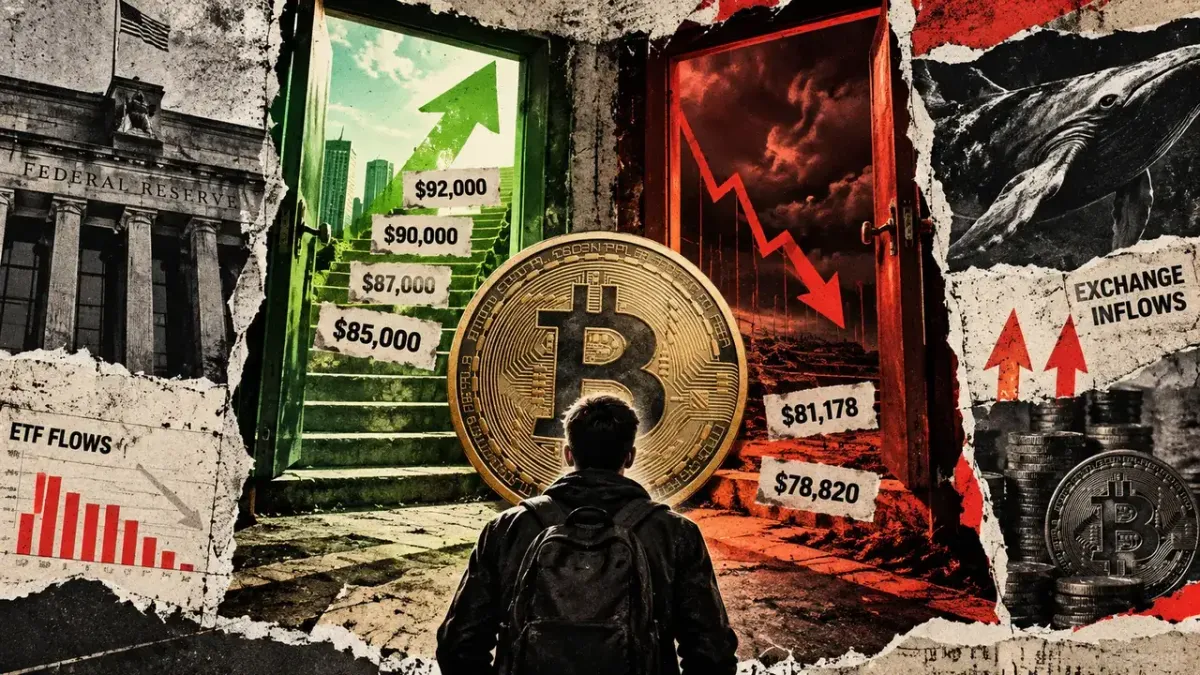
Bitcoin's weekly close above $81,000 signals potential rise to $90,000

Elon Musk's X integrates bitcoin trading options for U.S. users
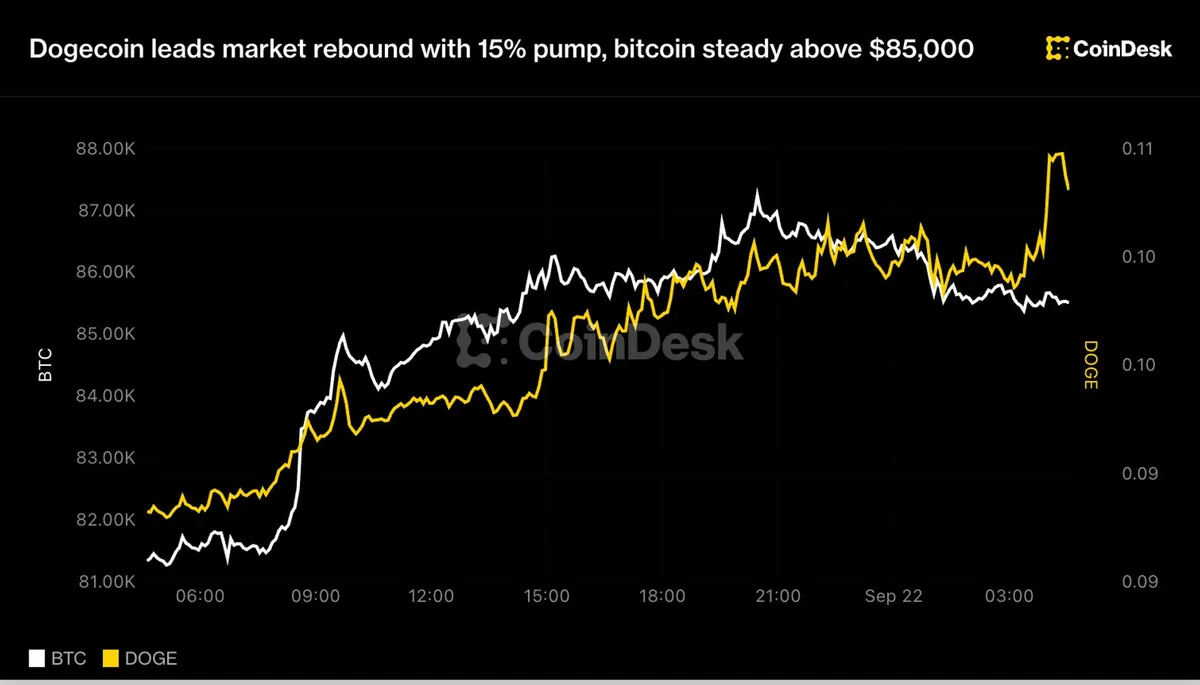
Dogecoin's 15% surge drives market recovery as bitcoin stabilizes above $85,000

Cardano adds tools for AI agent payments, joining Solana and XRP Ledger

Trueo prediction market moves from Base to Ethereum