OpenSea CMO sees tokenized Pokémon cards, Rolexes and tickets driving next NFT wave

In a recent discussion, Adam Hollander, the Chief Marketing Officer at OpenSea, shared his insights on the future of non-fungible tokens (NFTs) and how advancements in artificial intelligence (AI) could pave the way for a new wave of tokenized assets. Hollander pointed to the potential of tokenizing various popular collectibles–such as Pokémon cards, Rolex watches, and even event tickets–as a means to drive increased adoption and engagement in the NFT space. With AI tools becoming more accessible and user-friendly, creators and collectors alike may find it easier to generate and trade unique digital assets, further enriching the NFT ecosystem.
To understand this perspective, we need to consider the evolution of NFTs over the past few years. Initially, NFTs gained popularity primarily through digital art and collectibles, with marketplaces like OpenSea leading the charge. However, as the technology matured, so did the variety of use cases. Now, with the integration of AI, the possibilities appear to expand even further. Tokenizing physical items and experiences–such as luxury watches or concert tickets–could create new revenue streams for both creators and brands while allowing consumers to engage with their favorite products in novel ways.
The implications of this shift could be significant for the broader market. As Hollander envisions, tokenizing high-demand items could attract new participants who may not have previously considered entering the NFT space. This influx of diverse asset types could lead to increased trading volumes and market activity, potentially stabilizing prices and enhancing liquidity. Additionally, the blend of physical and digital assets could blur the lines between them, offering users a more seamless and integrated experience.
Industry reactions to Hollander's insights have been largely optimistic, with experts noting that the intersection of AI and NFTs could unlock untapped potential. Many believe that the ability to easily create and manage tokenized assets will democratize access to the market, allowing more individuals, artists, and brands to participate. However, some caution that the market must also address concerns surrounding authenticity and ownership, especially as more physical items are tokenized. Ensuring that the underlying value of these assets is transparent and secure will be crucial in maintaining trust.
Looking ahead, we can anticipate a growing focus on the development of user-friendly AI tools that facilitate the creation of these tokenized assets. As the technology evolves, we may see an influx of startups and established companies entering the space, each bringing their unique approach to asset tokenization. The next few years could prove vital in shaping the future of NFTs, as we witness how traditional collectibles and experiences converge with digital innovation. The excitement surrounding Hollander's vision offers a glimpse into a promising future, yet it also calls for careful consideration of the challenges that lie ahead.

CoinMagnetic Team
Crypto investors since 2017. We trade with our own money and test every exchange ourselves.
Updated: May 2026
From our insights:
Related news
Bitcoin price targets $86K support as oil falls under $90
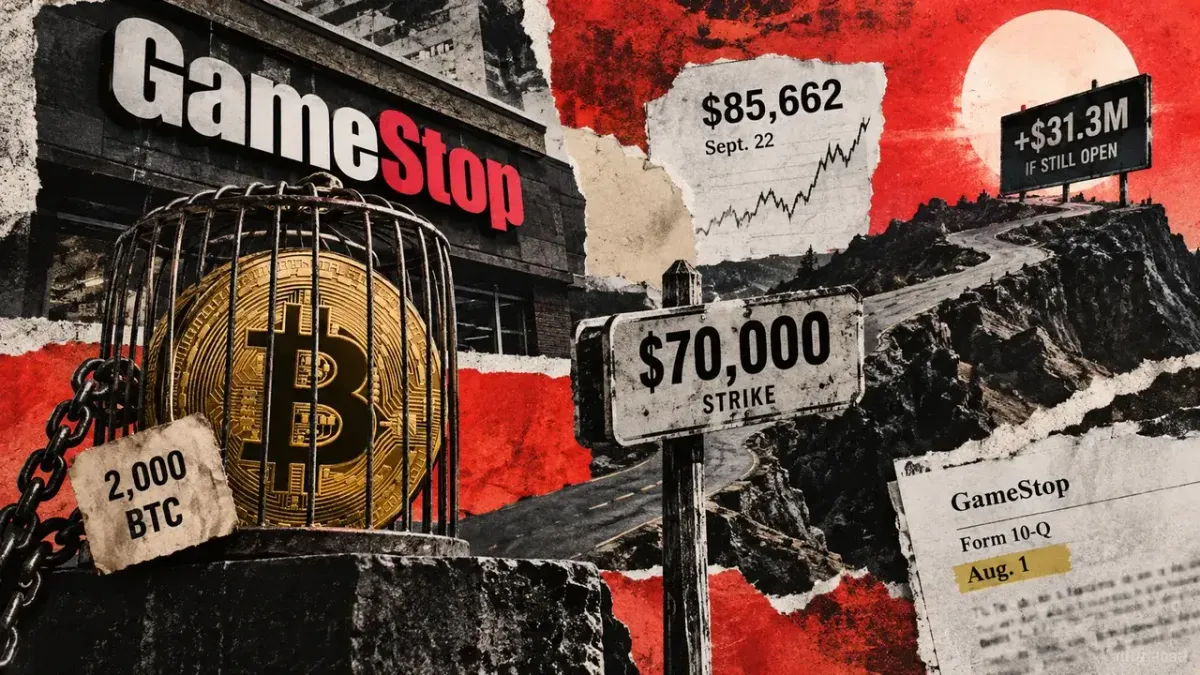
GameStop possibly forfeits $31 million in Bitcoin gains from options trade

Researchers trace 1.1 million Bitcoin to early miner but Satoshi's identity remains unclear
Bitcoin, ether perpetual volumes on Kalshi are dominated by an unusual, repetitive trade, data shows
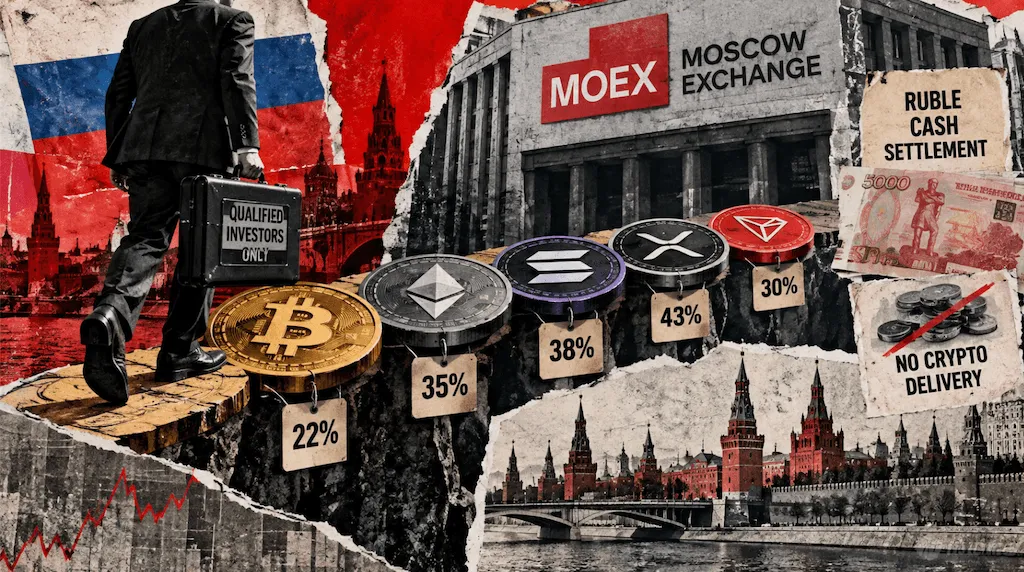
Moscow Exchange introduces 5 crypto perpetual futures amid 600 billion ruble demand