OpenAI Wants to Kill the Chatbot It Invented and Turn It Into a Superapp
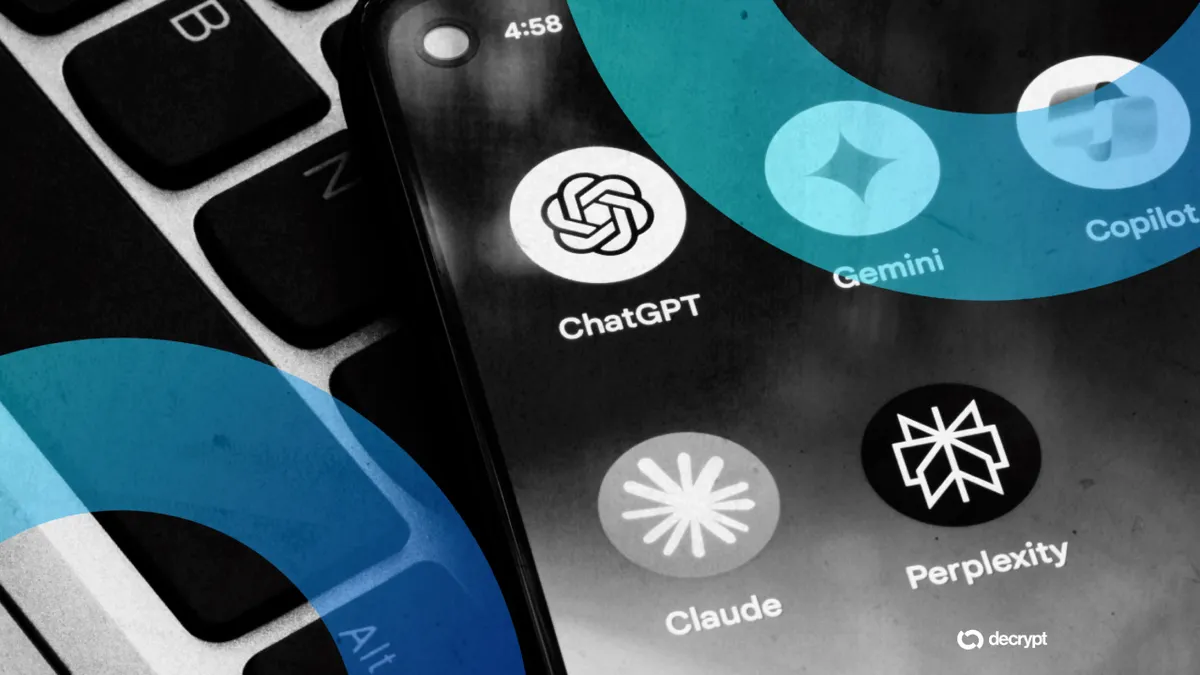
OpenAI has made headlines once again as the company is reportedly shifting its focus from its well-known chatbot, ChatGPT, towards developing a more comprehensive superapp. This new vision aims to create a platform that transcends the traditional Q&A functionalities of ChatGPT, positioning it as an all-in-one tool akin to China’s WeChat. The ambition is to integrate various services–social media, payments, and productivity tools–into a single application, thereby enhancing user experience and engagement. This strategic pivot reflects OpenAI's desire to not only dominate the conversational AI space but also to redefine how users interact with technology across multiple domains.
To understand this shift, it's essential to look back at OpenAI's journey since the launch of ChatGPT in 2022. Initially celebrated for its groundbreaking capabilities in generating human-like text, ChatGPT quickly gained popularity among users and developers alike. However, as the market for AI applications has evolved, so too has the competitive landscape. With numerous players entering the space, OpenAI is now tasked with finding new ways to distinguish itself. The company appears to be taking cues from successful platforms like WeChat, which has effectively integrated messaging, social networking, and financial services, creating a robust ecosystem that keeps users engaged.
This shift towards a superapp model is significant for the broader market as it signals a potential evolution in how AI technology is utilized. By moving away from a single-purpose application to a multi-functional platform, OpenAI could attract a wider audience and encourage more diverse use cases for AI. Such a development might not only enhance user retention but also open new revenue streams through various services integrated within the app. This could set a precedent for other tech companies, prompting them to explore similar all-in-one solutions that leverage AI capabilities.
Industry reactions to OpenAI's new direction have been mixed. Some experts praise the company for its ambition and potential to innovate, arguing that a superapp could meet the growing demand for integrated services. Others, however, express skepticism, pointing out the challenges of creating a seamless user experience while maintaining the high-quality interactions that ChatGPT has become known for. The transition from a focused chatbot to a multifaceted platform may require significant resources and strategic planning, and there are concerns about whether OpenAI can effectively manage this shift without compromising its core strengths.
Looking ahead, the next steps for OpenAI will be crucial in determining the success of this ambitious superapp initiative. The company will need to invest in research and development to build out the necessary features while remaining responsive to user feedback. Collaborations with other companies or platforms could also play a pivotal role in enhancing functionality and driving adoption. As we observe this transformation, it will be interesting to see how OpenAI navigates the complexities of this new venture and what it might mean for the future of AI-driven applications.

CoinMagnetic Team
Crypto investors since 2017. We trade with our own money and test every exchange ourselves.
Updated: June 2026
From our insights:
Related news

Bitcoin's weekly close above $81,000 signals potential rise to $90,000

Elon Musk's X integrates bitcoin trading options for U.S. users
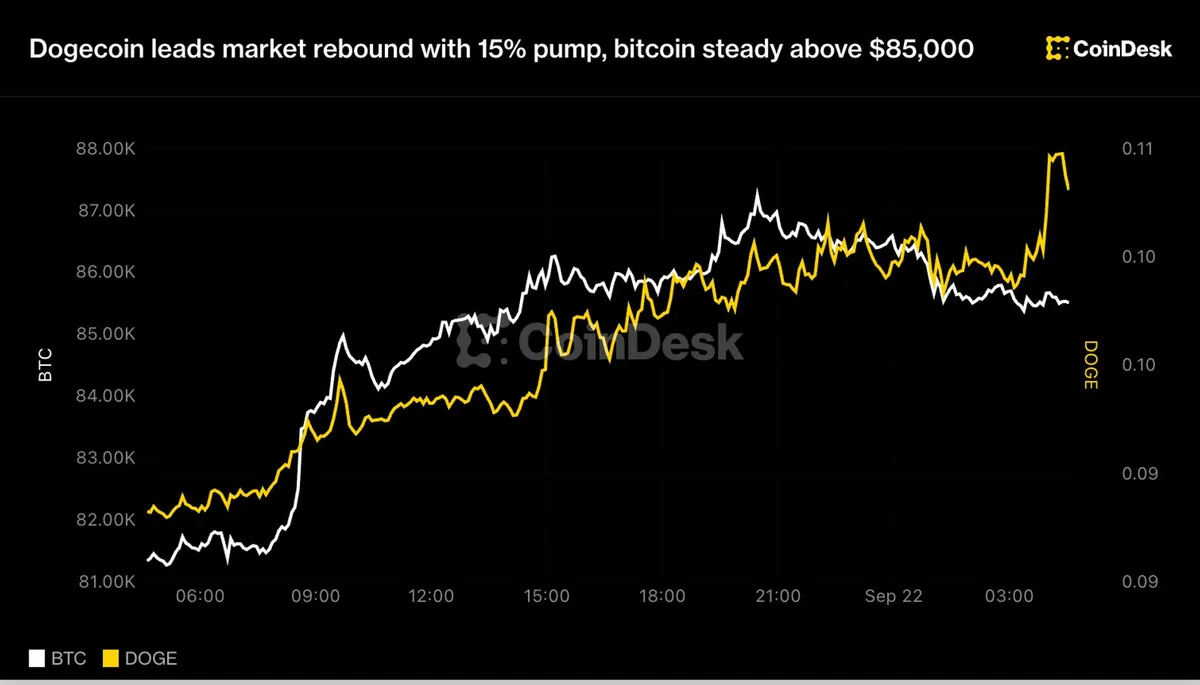
Dogecoin's 15% surge drives market recovery as bitcoin stabilizes above $85,000
Cardano adds tools for AI agent payments, joining Solana and XRP Ledger

Trueo prediction market moves from Base to Ethereum