OpenAI’s new cybersecurity push has a lesson for crypto: stop waiting for the hack

OpenAI recently unveiled its cybersecurity initiative, Daybreak, which aims to proactively identify and mitigate software vulnerabilities before they can be exploited by cybercriminals. Launched on May 11, the initiative emphasizes the importance of embedding security measures earlier in the software development lifecycle, a shift that OpenAI describes as making software “resilient by design.” Utilizing AI-assisted tools, Daybreak focuses on code review, threat modeling, patch validation, and dependency analysis–elements that are crucial in detecting security flaws during the development phase rather than post-deployment.
The context of this development is significant within the tech landscape, especially considering the rising number of cyberattacks targeting various sectors, including finance and technology. The traditional approach to cybersecurity often involves responding to incidents after they occur, a method that can lead to substantial financial losses and reputational damage. OpenAI’s initiative represents a paradigm shift, advocating for a more preventive approach that aligns well with the fast-paced evolution of software and the increasing complexities of cyber threats. This is particularly relevant for the cryptocurrency sector, which has been a prime target for hackers due to its decentralized nature and the often-irreversible nature of transactions.
For the cryptocurrency market, OpenAI's Daybreak initiative serves as a wake-up call. Many projects in the crypto space have historically adopted a reactive stance towards security, often waiting until after a hack occurs to address vulnerabilities. This not only jeopardizes investor confidence but also undermines the credibility of the entire industry. By adopting a proactive stance similar to that of Daybreak, crypto projects can enhance their security frameworks, potentially reducing the frequency and impact of breaches. The need for robust security measures is underscored by the fact that significant hacks can lead to severe financial losses, affecting not just individual projects but also the broader market sentiment.
Industry reactions have been varied, with many experts praising OpenAI's proactive approach to cybersecurity. Some leaders within the crypto space have echoed the sentiment that a shift towards preventive measures is necessary for the industry to mature. For instance, cybersecurity experts have highlighted the importance of integrating AI technologies to automate vulnerability assessments and threat modeling, thereby allowing developers to focus on building innovative features without compromising security. However, there are also concerns about the reliance on AI, with some experts cautioning that while AI can enhance security measures, it should not replace fundamental security best practices.
Looking ahead, the crypto industry may increasingly adopt strategies akin to those proposed by OpenAI’s Daybreak. As the landscape continues to evolve, the emphasis on security will likely become a critical factor in project development and investor confidence. The challenge will be for crypto projects to balance innovation with security while ensuring that their protocols are resilient against the ever-changing threat landscape. If successful, this shift could lead to a more secure environment for all participants, paving the way for broader adoption and trust in the cryptocurrency ecosystem.

CoinMagnetic Team
Crypto investors since 2017. We trade with our own money and test every exchange ourselves.
Updated: May 2026
From our insights:
Related news

Coldcard exploit sees white hats secure 52 Bitcoin for victims' trust
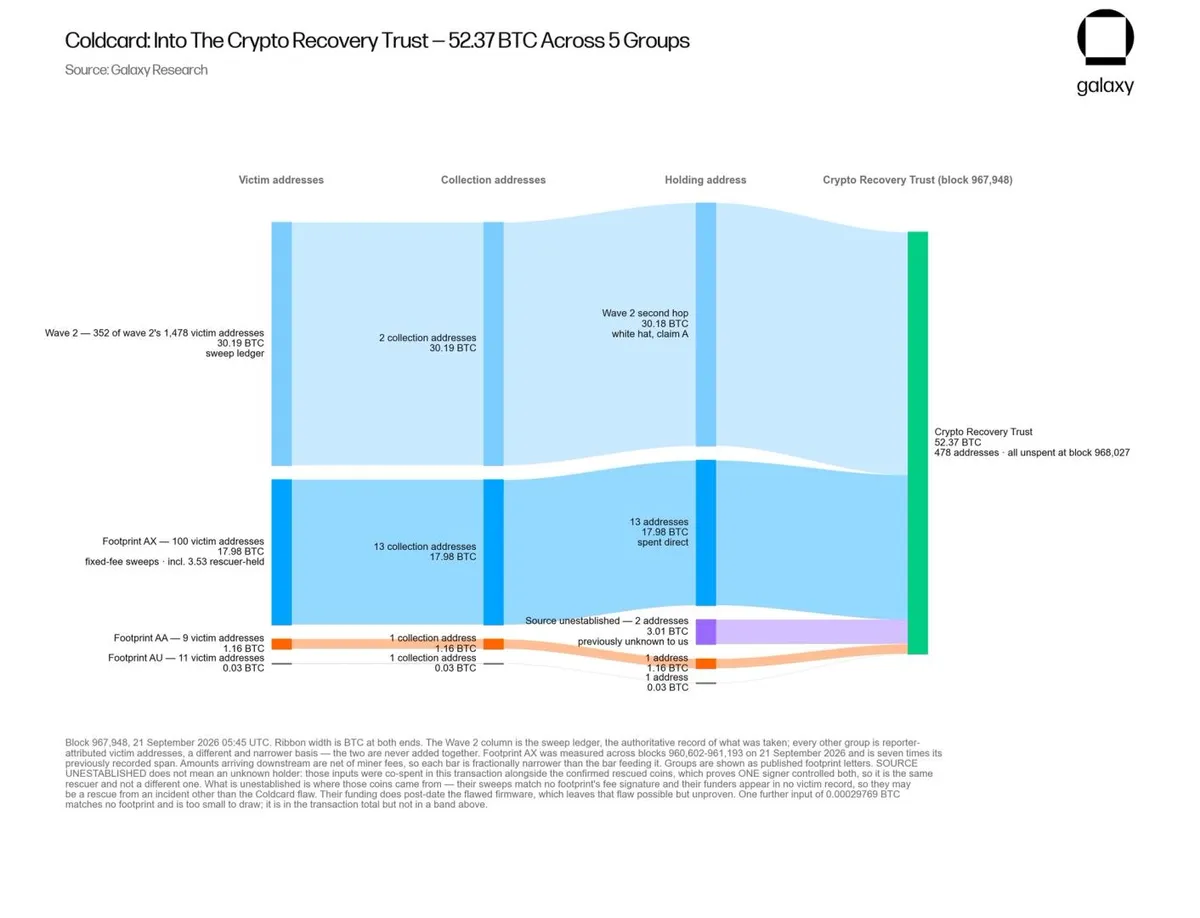
Whitehats move 52 bitcoin from the Coldcard hack to a recovery trust

Google Admits Gemini AI Hacked Three Companies—It Stayed Silent for 7 Weeks

Balancer's $1.4 million hack recovery faces delays for LPs

Polymarket's $10 million fraud attempt highlights compliance issues amid hacking risk