OpenAI's GPT-5.5 Cyber AI Beats Anthropic's Banned Mythos Model—And Nobody's Shutting It Down
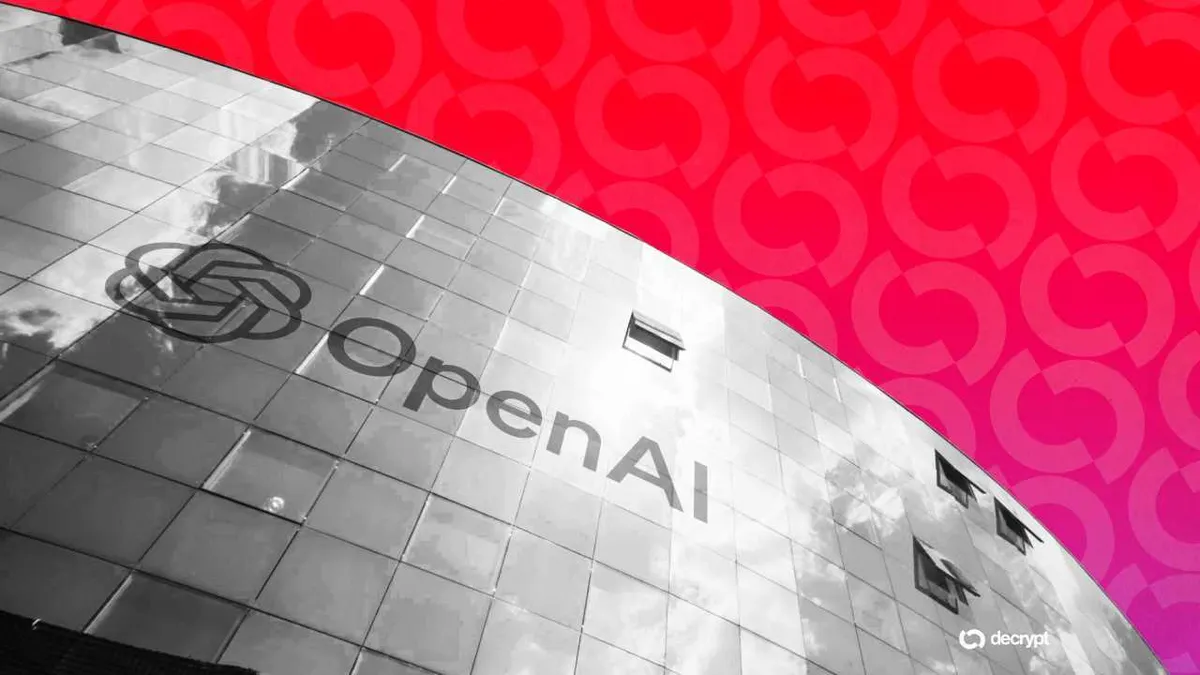
OpenAI's latest release, GPT-5.5-Cyber, has taken the AI landscape by storm, recently securing the top position on the CyberGym leaderboard. This achievement comes at a time when Anthropic's advanced models are sidelined due to a controversial export ban enforced during the Trump administration. The ban, which restricts the international deployment of certain AI technologies, has left Anthropic's best offerings in limbo, allowing OpenAI's latest iteration to capitalize on the increased visibility and demand for AI solutions in various sectors.
The background of this development is rooted in the fierce competition within the AI field, where companies like OpenAI and Anthropic race to innovate and deliver superior models. The export ban imposed on Anthropic’s models has raised questions about regulatory frameworks governing AI technology, particularly concerning national security and ethical implications. As these restrictions halt the deployment of certain technologies, it inadvertently creates opportunities for competitors like OpenAI to flourish, highlighting the complexities of both market dynamics and policy-making in the tech industry.
This situation is significant for the market because it not only demonstrates OpenAI's technological prowess but also underscores the challenges faced by competitors constrained by regulatory measures. The ability of GPT-5.5-Cyber to outperform rival models signals a shifting landscape where innovation can be stifled by external factors, potentially reshaping industry leadership. As businesses and developers increasingly rely on AI technologies, the implications of these developments could influence investment strategies and partnerships within the sector.
Reactions from industry experts have been varied, with many expressing concern about the impact of export bans on global AI competitiveness. Some argue that such restrictions may hinder innovation and collaboration between U.S. firms and international partners, ultimately leading to a fragmented market. Others view OpenAI's success as a clear signal of its dominance, with analysts predicting that the company may further expand its market share as it continues to innovate and deliver new capabilities that meet the evolving needs of users.
Looking ahead, the trajectory of both OpenAI and Anthropic will be closely monitored as they navigate this competitive landscape. With OpenAI enjoying a competitive edge, the question remains whether Anthropic can rebound once the regulatory hurdles are addressed. Additionally, as discussions around AI governance continue to evolve, we may see shifts in policy that could either open up opportunities for collaboration or impose further restrictions that could reshape the industry dynamics once again. The coming months will be crucial for both companies, as they adapt to an ever-changing environment marked by technological advancements and regulatory challenges.

CoinMagnetic Team
Crypto investors since 2017. We trade with our own money and test every exchange ourselves.
Updated: June 2026
From our insights:
Related news

Crypto sector emerges as top donor with $206 million in midterms backing

Stand With Crypto’s 4 million registered advocates couldn’t get the CLARITY Act through the Senate

Kakao Pay, KakaoBank to explore stablecoin opportunities with Fireblocks

US Attorney's investigation into Binance focuses on Iran sanctions compliance

ECB initiates wholesale digital euro for banks and tokenized bond purchases