OpenAI advocates for AI-driven defenses against hacks in new essay

In a recent essay, OpenAI President Greg Brockman highlighted the necessity for enhanced AI-driven security measures in response to increasing threats from rogue agents and hacking incidents. Citing a previous hack involving Hugging Face, Brockman argues that the solution lies in leveraging advanced AI technologies rather than withdrawing from their use. He emphasizes that as AI capabilities grow, so too do the potential risks, and it is imperative to counter these threats with equally sophisticated AI defenses.
The backdrop of this discussion is the rapidly evolving landscape of artificial intelligence and cybersecurity. Over the past few years, AI has shown remarkable advancements, but this progress is accompanied by significant challenges regarding security and ethical considerations. The Hugging Face hack serves as a poignant reminder of the vulnerabilities that exist not only within organizations but also within the broader AI ecosystem. As more entities adopt AI technologies, the stakes for maintaining security and integrity in this space become increasingly critical.
This stance from OpenAI is particularly relevant to the market as it reflects a growing recognition of the need for robust security frameworks in AI applications. The integration of AI into security protocols could reshape how companies approach cybersecurity, potentially creating a new sector focused on AI-powered defense mechanisms. Investors and stakeholders in the tech industry are likely to pay close attention to these developments, as they could influence market dynamics and the future direction of AI technologies.
Industry experts have responded with a mix of agreement and concern. Many acknowledge the necessity of using advanced AI for security, suggesting that proactive measures can mitigate risks associated with malicious activities. However, there are also apprehensions regarding the potential for AI to be weaponized, creating a cycle of escalation. The balance between utilizing AI for protection while safeguarding against its misuse remains a hot topic of debate among technologists and ethicists alike.
Looking ahead, we can expect a surge in investment and innovation aimed at developing AI-driven security solutions. As organizations begin to prioritize AI defenses, collaborations between tech firms and cybersecurity experts will likely become more common. This evolution in strategy may not only enhance security measures but also lead to the establishment of new standards and protocols in the industry, shaping the future of AI and its role in safeguarding digital assets.

CoinMagnetic Team
Crypto investors since 2017. We trade with our own money and test every exchange ourselves.
Updated: August 2026
From our insights:
Related news
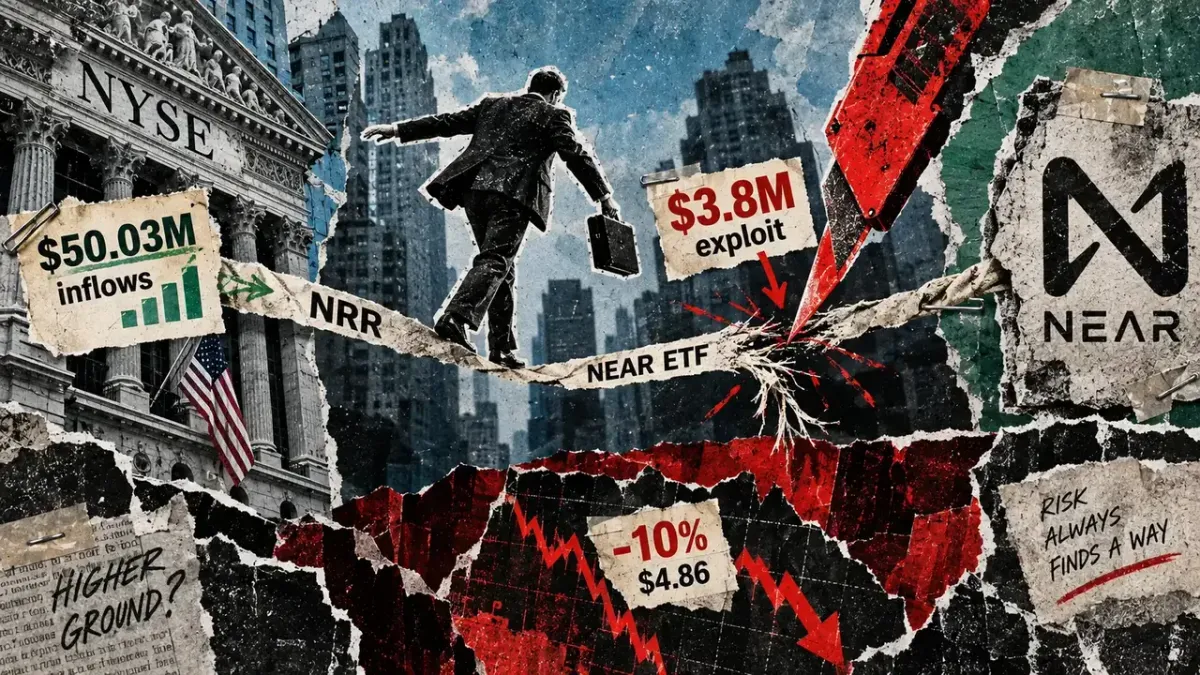
NEAR token drops 10% following $3.8 million exploit as ETF launch coincides

NEAR Intents to compensate users after $3.8M exploit linked to Bitget breach

NEAR Intents hit by $3.8 million exploit as crypto's rough year of hacks continues
Q3 crypto security breaches exceed $1B following Bitget's $388M hack

Crypto hacks resulted in $1.26 billion lost as bitcoin soared in Q3 2026