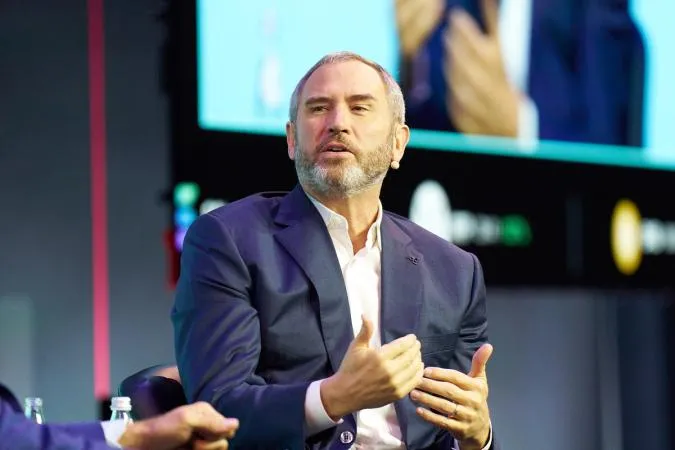
OpenAI paper sparks crypto debate by declaring ETH false

At CoinMagnetic, we always keep an eye on where artificial intelligence intersects with blockchain technology, and a recent publication from OpenAI has certainly caught our attention. The research paper in question boldly declares that ETH is false, a statement that immediately sent ripples across the digital asset community. Because hundreds of existing academic and technical papers rely on this foundational concept, the assertion has forced researchers and developers to take a hard look at their underlying assumptions.
To understand the gravity of this development, we have to look at how different academic fields build upon established terminology. In the context of logic and formal verification, the term used in the OpenAI paper carries a very specific mathematical weight rather than referring directly to the Ethereum network cryptocurrency. However, the linguistic crossover was enough to trigger immediate confusion and fascination across various online platforms where finance and computer science overlap.
For the broader cryptocurrency market, moments like this highlight the sometimes amusing and sometimes chaotic collision between traditional tech research and crypto culture. While market prices for major tokens rarely react to abstract logic papers, the psychological impact on Crypto Twitter is palpable. When a major AI laboratory publishes work that accidentally or intentionally trolls the terminology of a top tier blockchain asset, it creates a unique cultural moment for market participants.
Reactions from the community have ranged from serious mathematical breakdowns by academic researchers to utter bewilderment and memes from degens. Some mathematicians spent hours dissecting the notation to understand the exact context of the claim, while crypto natives turned the phrase into a trending topic. This blend of rigorous scientific analysis and lighthearted internet culture is precisely what makes the digital asset space so unpredictable.
As we look ahead, it remains to be seen whether OpenAI will issue any clarification regarding the terminology or if the research will lead to any tangible changes in how formal methods are applied to smart contracts. For now, the episode serves as a reminder of how closely watched every output from leading AI institutions has become, especially when their terminology intersects with the vocabulary of decentralized finance.

CoinMagnetic Team
Crypto investors since 2017. We trade with our own money and test every exchange ourselves.
Updated: October 2026
From our insights:
Related news

Keystone pulls hardware wallets after stolen factory key exposes 25964 buyers

US voters favor fintech-friendly political candidates, September poll shows
ACI Worldwide and Circle bring USDC settlement to Colombia's payment network
Crypto.com and OG.com introduce perpetual futures with up to 5x leverage in the US
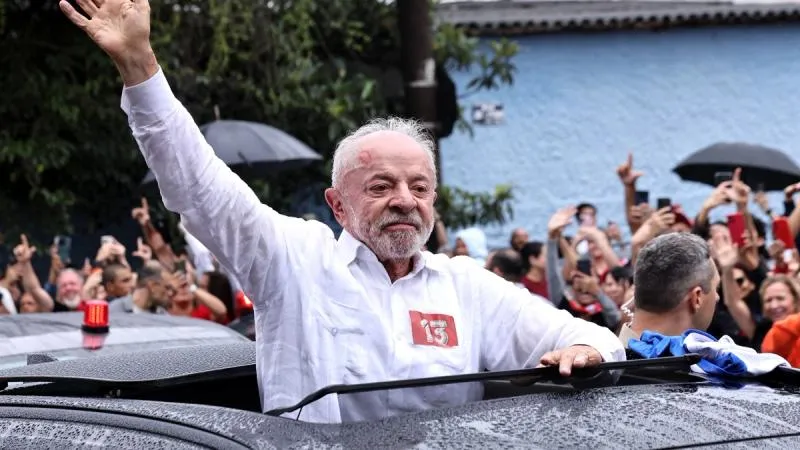
Mercado Bitcoin saw USDT trading surge by nearly 800 percent during election day