OpenAI acquires Orchestra Bio to automate drug development workflows
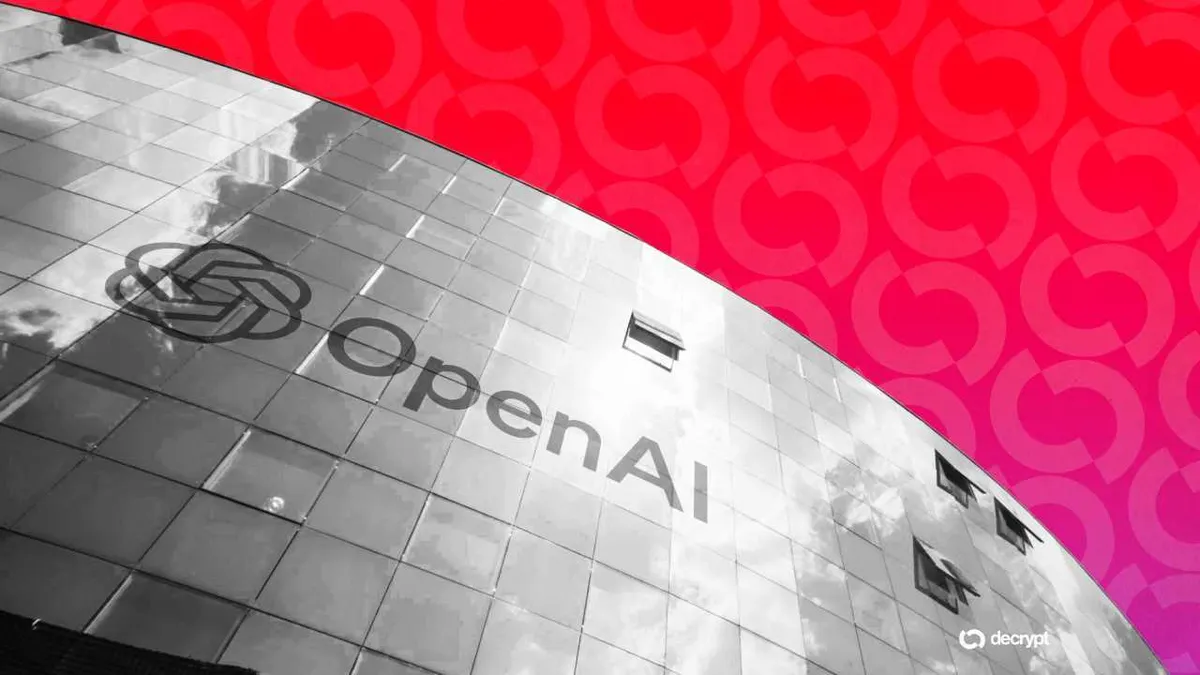
OpenAI has officially acquired Orchestra Bio, integrating its advanced drug program agents into Rosalind, the company dedicated life sciences suite. This strategic move is designed to harness artificial intelligence to tackle the notoriously slow and resource-heavy pipelines of pharmaceutical research. By deploying intelligent agents to handle routine grunt work, the initiative aims to fundamentally change how computational models interact with biological data discovery.
Developing a new medicine typically requires more than ten years of rigorous research, clinical trials, and regulatory reviews, accompanied by billions of dollars in expenditures. Technology companies have increasingly set their sights on this sector, viewing machine learning as a viable tool to streamline target identification and data analysis. Orchestra Bio built its reputation on creating specialized software agents capable of navigating complex biological datasets with minimal human intervention.
For the broader technology and healthcare markets, this acquisition signals a deeper convergence between artificial intelligence laboratories and life sciences enterprises. As compute power scales, investors and analysts are watching closely to see whether software firms can successfully transition general-purpose models into specialized, high-stakes scientific domains. Reducing development timelines could eventually translate to lower costs for bringing novel therapeutics to patients globally.
Industry observers have responded with a mix of optimism and caution, noting that while artificial intelligence excels at pattern recognition, biological systems are inherently unpredictable. Experts in computational biology emphasize that automated agents must still clear the high bars set by clinical validation and regulatory oversight before tangible medical breakthroughs materialize in the real world.
Looking ahead, the integration of Orchestra Bio technology into Rosalind will serve as a test case for how AI developers collaborate with traditional biotech and pharma institutions. We will be monitoring how these newly absorbed tools perform in active drug discovery pipelines and whether they can deliver on the promise of accelerating timelines without compromising safety.

CoinMagnetic Team
Crypto investors since 2017. We trade with our own money and test every exchange ourselves.
Updated: October 2026
From our insights:
Related news

Claude Code prompt lets Android TV owners remove ads without root access

Utah attorney general targets Kalshi over operations and profit recovery

JPMorgan projects 10% annual return for Bitcoin across a decade

Bitcoin holds above $83,000 as traders monitor key moving average support

Strive raises $630 million through SATS IPO without detailing bitcoin plans