OKX Card data shows crypto is paying for everyday life in Europe

Recent data from the OKX Card has shed light on the evolving landscape of cryptocurrency spending in Europe, revealing that a significant portion of transactions is being directed towards everyday necessities such as groceries and dining. This shift indicates that cryptocurrencies are increasingly being adopted as a practical means of payment rather than merely a speculative asset. The findings suggest that consumers are integrating digital currencies into their daily lives, utilizing them to cover routine expenses instead of reserving them solely for luxury purchases or investment opportunities.
To understand the implications of this trend, it's important to consider the broader context of cryptocurrency adoption in Europe. Over the past few years, the region has witnessed a surge in the accessibility and usability of digital currencies, thanks in part to the emergence of various crypto payment solutions and the growing acceptance of cryptocurrencies by merchants. This has created an environment where consumers feel more comfortable using their crypto holdings for everyday transactions, thus reinforcing the idea that cryptocurrencies are maturing as a viable payment method.
The significance of this trend for the market cannot be overstated. As cryptocurrencies gain traction for everyday spending, they may experience increased legitimacy and wider acceptance among both consumers and businesses. This could potentially lead to a ripple effect, encouraging more retailers to adopt crypto payment systems and fostering a cycle of increased usage and acceptance. Furthermore, as more people utilize cryptocurrencies for daily expenses, the demand for stable digital currencies, such as stablecoins, may rise, prompting further innovation in the crypto space.
Reactions from industry experts have largely been positive, with many viewing this trend as a pivotal moment for the cryptocurrency market. Analysts suggest that the regular use of cryptocurrencies for essential purchases could help stabilize their volatility, as increased everyday transactions may lead to a more balanced supply and demand dynamic. Additionally, some experts emphasize that this shift towards practical use cases could attract traditional investors who have been hesitant to engage with the crypto market, fearing its speculative nature.
Looking ahead, the implications of this trend could be far-reaching. If the current trajectory continues, we may see more comprehensive integrations of cryptocurrencies into payment systems across Europe and beyond. This could include the development of new financial products tailored for everyday consumers, as well as partnerships between crypto platforms and traditional financial institutions. As the landscape evolves, it will be essential to monitor how this integration impacts both consumer behavior and the broader cryptocurrency ecosystem.

CoinMagnetic Team
Crypto investors since 2017. We trade with our own money and test every exchange ourselves.
Updated: May 2026
From our insights:
Related news
Inside Coinbase’s $250 Billion Playbook for Post-Quantum Bitcoin Custody
William Blair sees Coinbase and Circle shares benefiting from crypto recovery
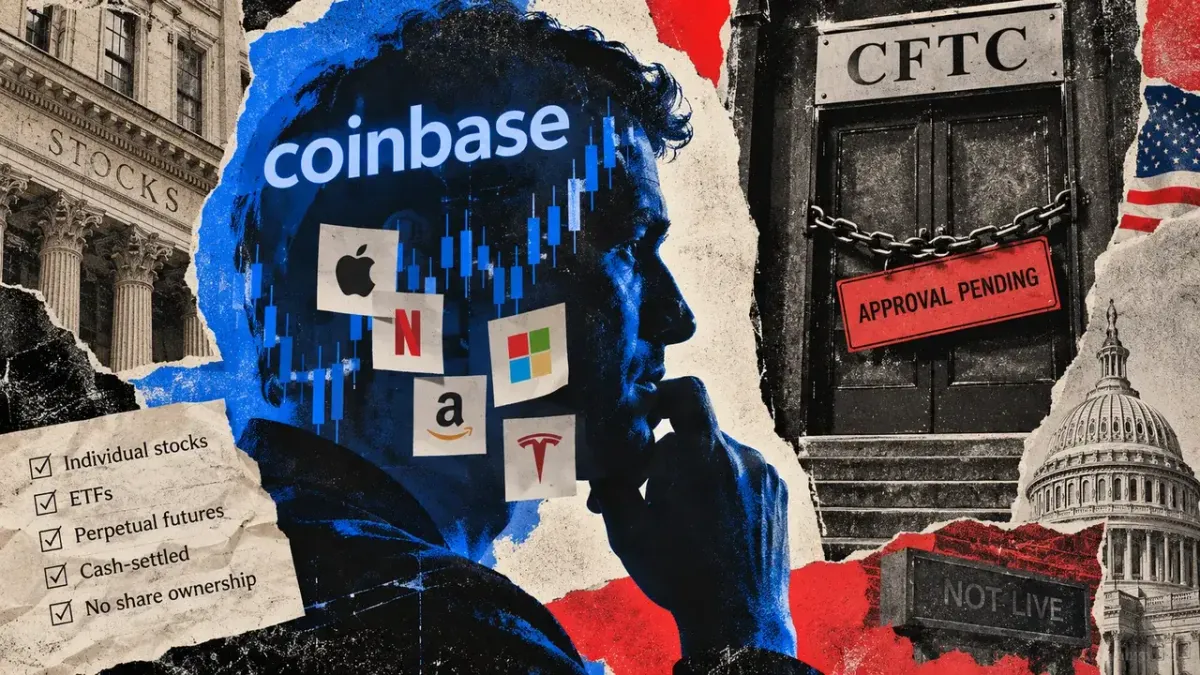
Coinbase plans to launch cash-settled stock futures amid CFTC delays
Coinbase adds fixed-rate bitcoin-backed loans through Morpho Midnight

Binance invests $100 million in Circle as part of expanded USDC partnership