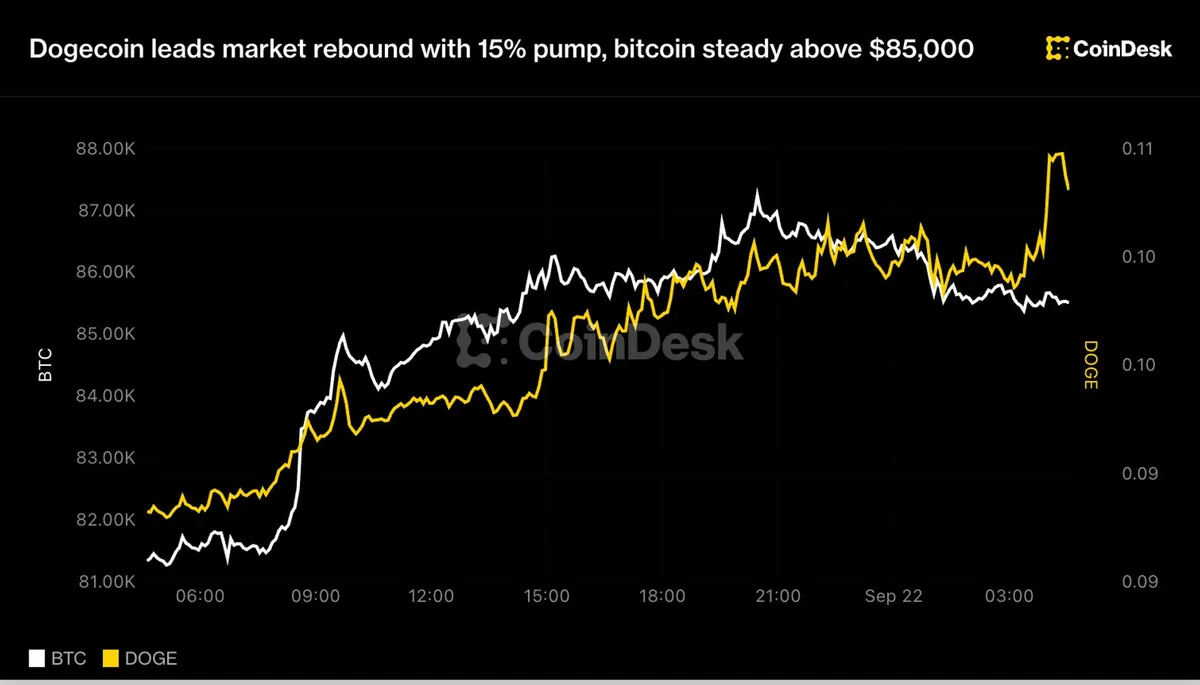
Oil finally loses its grip on Bitcoin – but now liquidity takes over the sell pressure

Recent developments in the oil market have significantly impacted the cryptocurrency landscape, particularly Bitcoin. Brent crude oil prices have fallen below the $80 mark, which has alleviated some of the pressures that have influenced Bitcoin's price movements. Historically, fluctuations in oil prices have had a correlation with Bitcoin, as both are often seen as barometers for market sentiment. With oil's recent decline, traders are now eyeing Bitcoin's response and the broader implications for the cryptocurrency market amid changing economic conditions.
To understand this shift, it's essential to consider the interconnectedness of global markets. Oil prices are typically influenced by a variety of factors, including geopolitical tensions, supply chain dynamics, and overall economic health. In recent months, rising oil prices had contributed to market volatility, which in turn affected investor confidence in riskier assets like Bitcoin. The retreat of Brent crude from the $80 threshold has sparked discussions about how Bitcoin might behave in the absence of oil-related pressures, allowing for a potential recalibration of investor sentiment.
The implications for the cryptocurrency market are multifaceted. While the easing of oil prices might relieve some immediate pressure on Bitcoin, other factors such as interest rates, ETF flows, and overall risk appetite remain crucial for a sustained recovery. Investors are now focusing on how liquidity in the market will play a role in shaping Bitcoin's price trajectory. A lack of liquidity can exacerbate sell pressure, leading to increased volatility and making it challenging for Bitcoin to gain momentum. Thus, while oil's influence may have waned, new challenges are emerging as the market navigates these conditions.
Industry experts have offered varying perspectives on the situation. Some analysts believe that the removal of oil's grip on Bitcoin could pave the way for a more independent price movement, allowing Bitcoin to respond more directly to its own supply and demand dynamics. Others caution that without a significant uptick in liquidity and positive market sentiment, Bitcoin may struggle to attract new investment. The consensus is that while the decoupling from oil is a positive development, the market still faces significant headwinds that need to be addressed for Bitcoin to regain its footing.
Looking ahead, market participants will be closely monitoring key indicators, including liquidity levels, Federal Reserve decisions regarding interest rates, and upcoming ETF approvals that could invigorate interest in Bitcoin. The interplay of these factors will ultimately determine whether Bitcoin can establish a more stable price foundation in the wake of oil's diminishing influence. As we move forward, the focus will likely shift to how these elements converge and what that means for the future of Bitcoin and the broader cryptocurrency market.

CoinMagnetic Team
Crypto investors since 2017. We trade with our own money and test every exchange ourselves.
Updated: June 2026
From our insights:
Related news
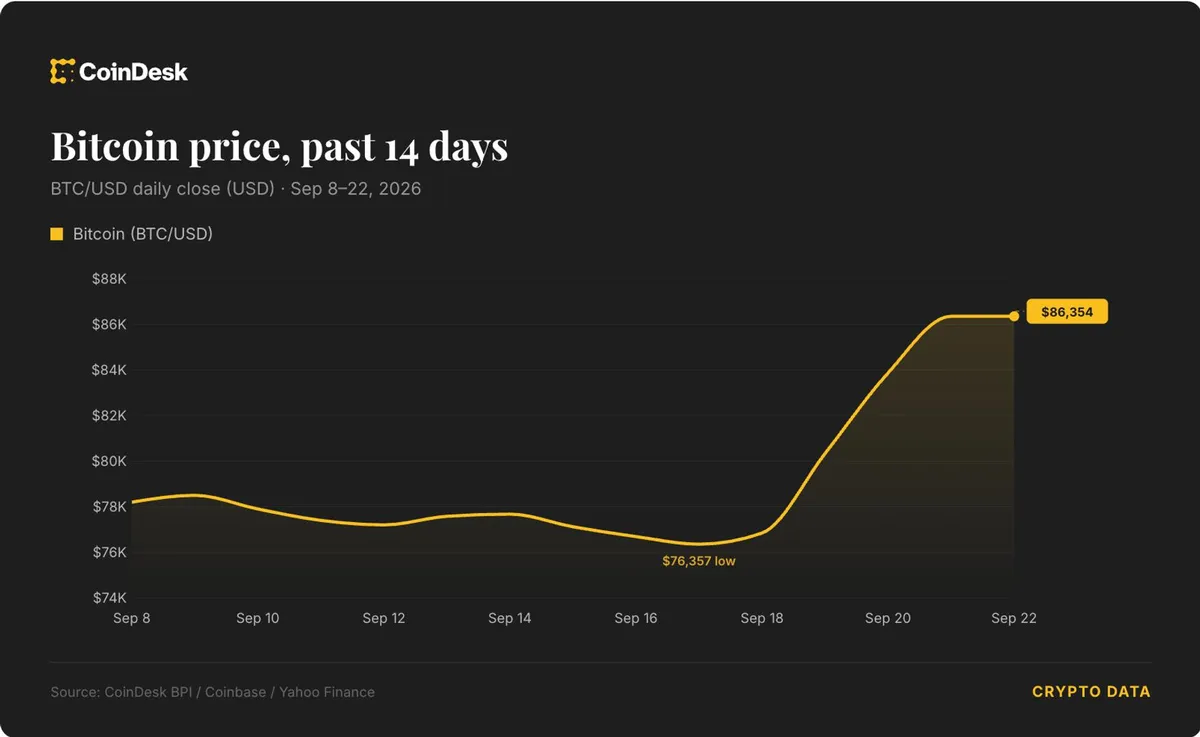
Iran hints at reopening Strait of Hormuz, WTI oil drops to $89

New altseason signal emerges as Bitcoin market cap stays under 60%

Bitcoin nears $86,000 as crypto market cap surpasses $3 trillion
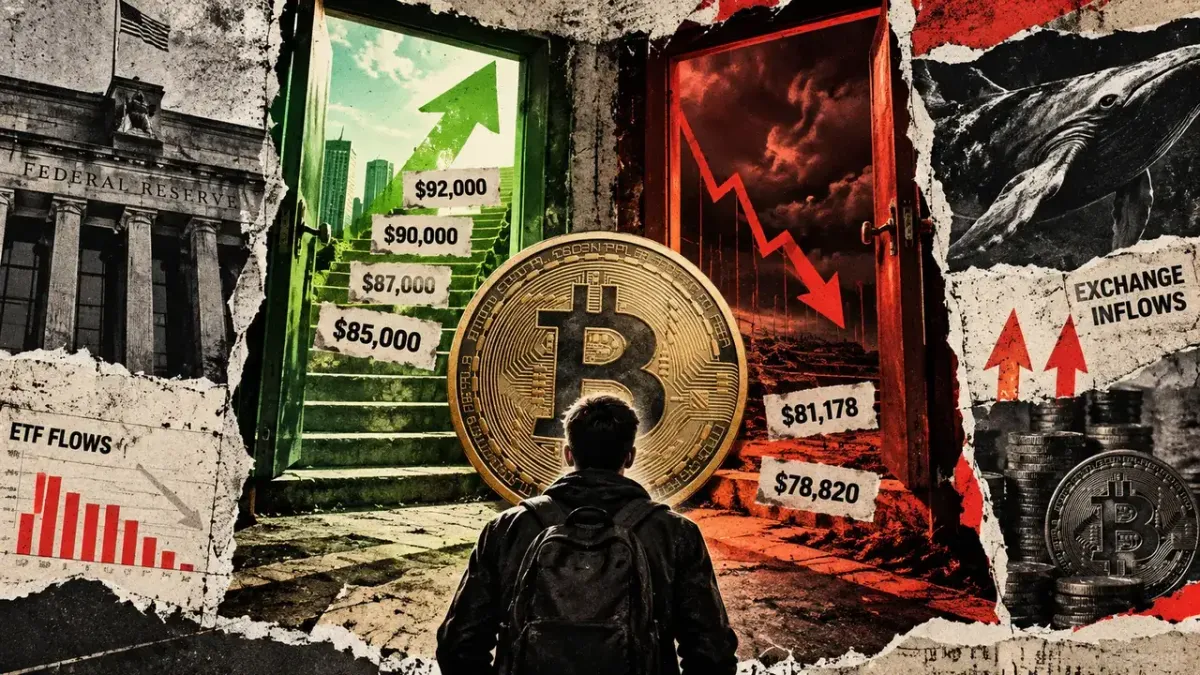
Bitcoin's weekly close above $81,000 signals potential rise to $90,000

Elon Musk's X integrates bitcoin trading options for U.S. users