Ohio man sentenced to 9 years for running $10 million crypto Ponzi scheme

An Ohio man, Rathnakishore Giri, has been sentenced to nine years in prison for orchestrating a $10 million cryptocurrency Ponzi scheme. Giri was found guilty of defrauding investors by promising them substantial returns on their investments in a purported cryptocurrency trading operation. The U.S. Commodity Futures Trading Commission (CFTC) had filed an enforcement action against him in August 2022, outlining the fraudulent nature of his scheme. Giri's actions not only caused significant financial loss to his victims but also highlighted the vulnerabilities inherent in the rapidly evolving crypto market.
The context surrounding this case is crucial to understanding its significance. Ponzi schemes have long plagued the investment landscape, but their emergence in the cryptocurrency space has raised alarms among regulators and investors alike. Giri's scheme capitalized on the allure of rapid profits associated with crypto investments, attracting many individuals seeking to capitalize on the booming market. The CFTC's involvement underscores the agency's commitment to policing fraudulent activities in the crypto sector, particularly as the industry continues to grow and draw in new participants.
This sentencing is a pivotal moment for the cryptocurrency market, as it serves as a stark reminder of the risks associated with unregulated investment opportunities. With the rise of digital currencies, the potential for scams also increases, prompting both investors and regulators to be vigilant. The case may deter potential fraudsters from attempting similar schemes, while also reinforcing the need for regulatory frameworks that protect investors in the volatile crypto landscape. As the market matures, the consequences for those who engage in fraudulent activities may become more severe, potentially leading to greater trust among investors.
Industry reactions have varied, with some experts expressing relief that action has been taken against Giri, while others caution that this case represents just the tip of the iceberg. Many in the crypto community emphasize the importance of transparency and due diligence when investing, reiterating that not all projects are created equal. The Giri case has sparked discussions around the need for more robust regulatory measures to safeguard investors and ensure that the crypto ecosystem is secure and reliable.
Looking ahead, this case might prompt further scrutiny from regulatory bodies as they seek to clamp down on fraudulent practices within the crypto space. As authorities continue to investigate and take action against Ponzi schemes and other scams, we may see increased collaboration between federal agencies and industry stakeholders to create a safer investment environment. For investors, this could mean a more informed marketplace where due diligence is prioritized and fraudulent schemes are less likely to thrive.

CoinMagnetic Team
Crypto investors since 2017. We trade with our own money and test every exchange ourselves.
Updated: May 2026
From our insights:
Related news

Bitcoin's weekly close above $81,000 signals potential rise to $90,000

Elon Musk's X integrates bitcoin trading options for U.S. users
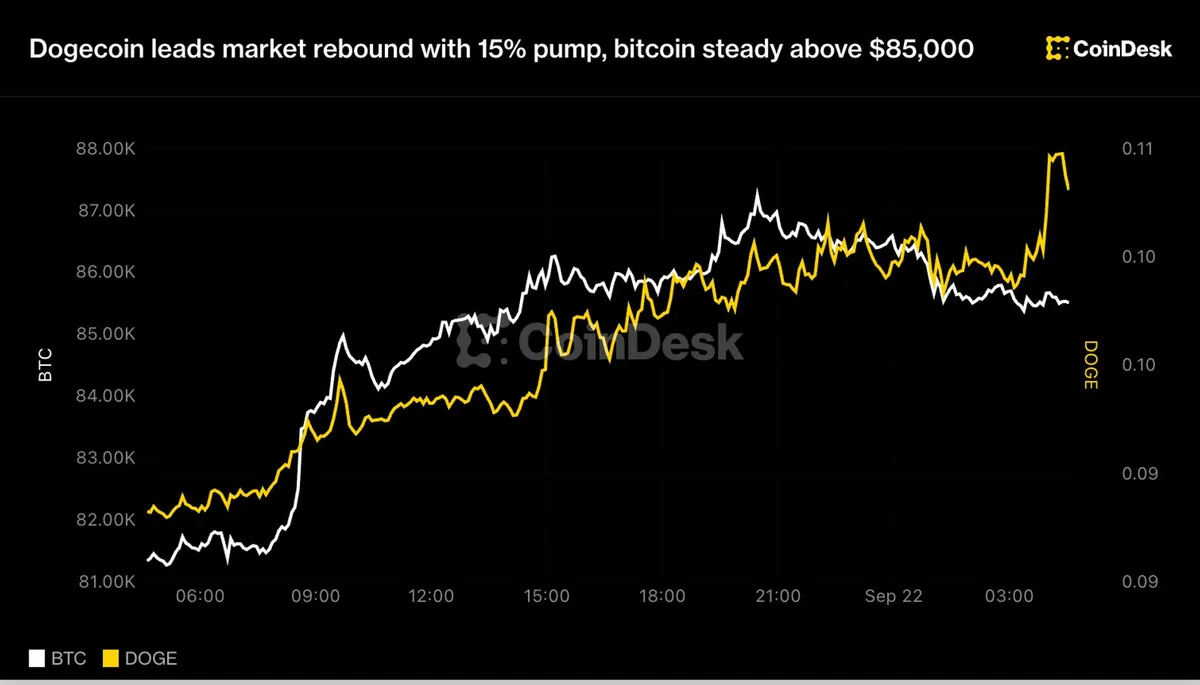
Dogecoin's 15% surge drives market recovery as bitcoin stabilizes above $85,000

Cardano adds tools for AI agent payments, joining Solana and XRP Ledger

Trueo prediction market moves from Base to Ethereum