Odds against rate cuts high as new US Fed chair set for swearing in
The anticipated swearing-in of Kevin Warsh as the new chair of the U.S. Federal Reserve has stirred significant discussions within the financial community. Experts are expressing concerns that Warsh's confirmation could usher in an era of uncertainty regarding the Federal Reserve's autonomy, particularly in its decision-making processes around interest rates. This potential shift in leadership has implications for monetary policy and the broader economic landscape, as stakeholders weigh the likelihood of rate cuts amidst prevailing inflationary pressures.
To understand the context, Warsh previously served as a governor on the Federal Reserve Board and has been critical of the Fed's approaches in the past. His views on monetary policy could shape the trajectory of interest rates, especially given the current economic environment characterized by high inflation and a fluctuating labor market. The Fed has been navigating a delicate balance between stimulating growth and controlling inflation, and Warsh's past critiques of the central bank suggest that his leadership may challenge existing paradigms.
The implications of Warsh's confirmation are significant for the market. With many investors watching closely, the consensus seems to lean towards the idea that the chances of interest rate cuts in the near term are slim. As the Fed remains focused on curbing inflation, uncertainty surrounding its independence could lead to increased volatility in financial markets. If market participants perceive a loss of autonomy within the Fed, it may result in heightened scrutiny of monetary policy decisions, affecting market sentiment and investment strategies.
Industry reactions have been mixed, with some experts voicing concerns over potential political influence on the Fed's operations, while others argue that Warsh's experience could bring a fresh perspective needed to tackle current economic challenges. Economists are divided on the possible outcomes–some believe that a more assertive approach to monetary policy might be necessary, while others warn that such changes could destabilize the established order. The dialogue surrounding Warsh's confirmation reflects broader anxieties about the interplay between monetary policy and political oversight.
Looking ahead, the Federal Reserve's direction under Warsh will be closely monitored. The initial months of his tenure will likely set the tone for future monetary policy decisions. Stakeholders are keen to see whether Warsh will adhere to traditional frameworks or propose more radical changes. As the economic landscape evolves, the Fed's response to inflation, employment, and growth will be pivotal, and market participants will need to remain agile in adapting to the new dynamics that Warsh's leadership may introduce.

CoinMagnetic Team
Crypto investors since 2017. We trade with our own money and test every exchange ourselves.
Updated: May 2026
From our insights:
Related news
US investigates Binance for potential Iran-linked trading violations
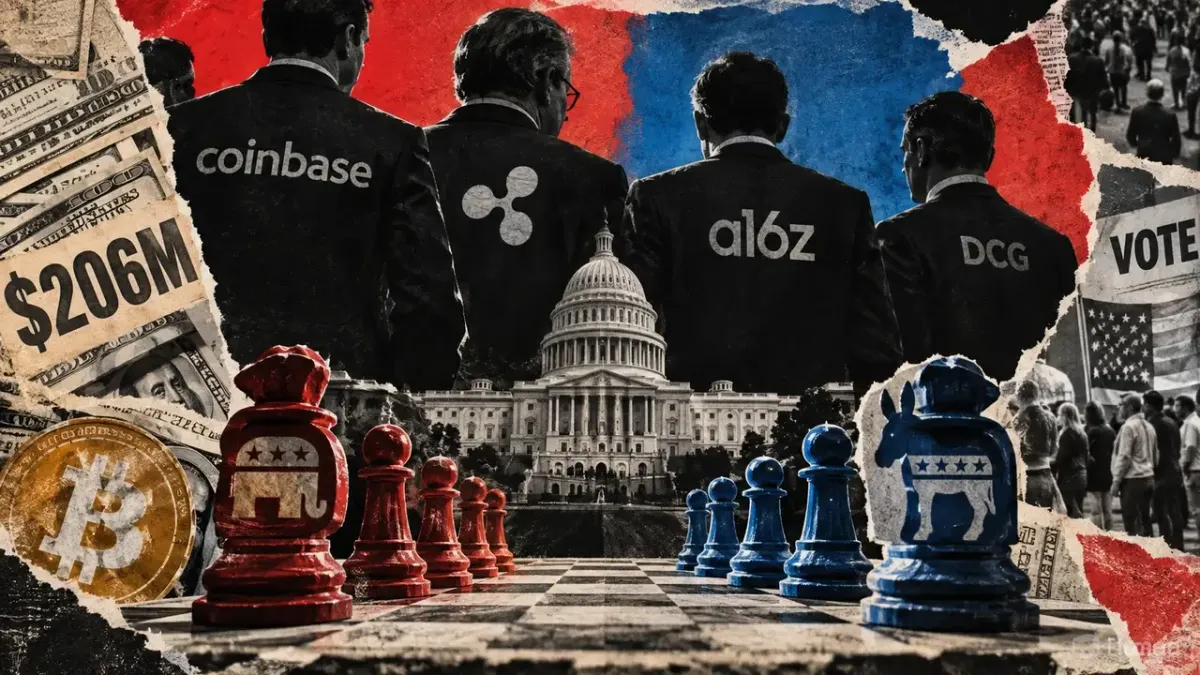
Crypto sector emerges as top donor with $206 million in midterms backing
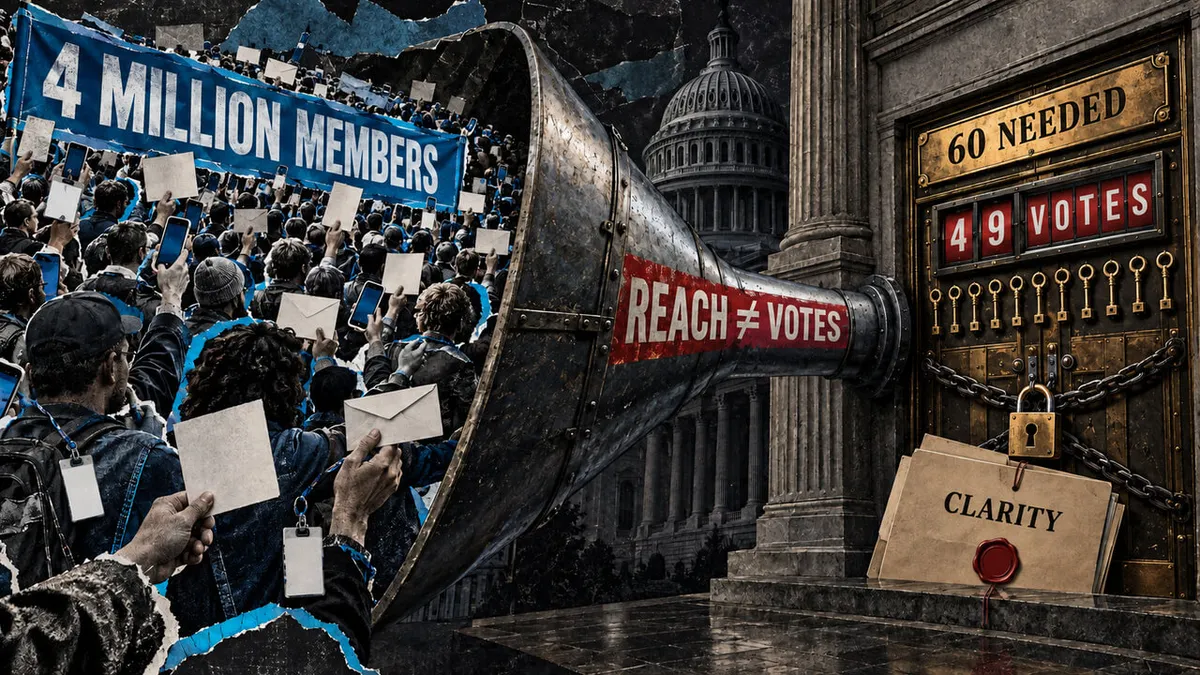
Stand With Crypto’s 4 million registered advocates couldn’t get the CLARITY Act through the Senate

Kakao Pay, KakaoBank to explore stablecoin opportunities with Fireblocks

US Attorney's investigation into Binance focuses on Iran sanctions compliance