North Korea terrorism creditors move to seize Arbitrum-frozen Kelp DAO ETH ahead of DeFi United vote

In a significant development within the decentralized finance (DeFi) landscape, plaintiffs connected to families with unsatisfied terrorism judgments against North Korea are taking legal action to seize Ethereum (ETH) assets that have been frozen by the Kelp DAO, a decentralized autonomous organization built on the Arbitrum network. The move comes ahead of an impending vote by DeFi United, which is set to address governance issues related to various projects within the DeFi space. The plaintiffs are not victims of a hack related to Kelp DAO but instead represent those seeking restitution from the North Korean government, which has been linked to various acts of terrorism.
To understand the implications of this action, it is essential to consider the historical context of North Korea's international relations and its repeated involvement in state-sponsored terrorism. For years, North Korea has faced numerous sanctions and legal actions due to its aggressive actions on the global stage, including cyberattacks and other forms of state-sponsored violence. The families of the victims have long sought justice and restitution, and now they are leveraging the evolving legal frameworks surrounding cryptocurrencies to pursue their claims. This case highlights the intersection of global justice, state accountability, and the complexities of DeFi governance.
This legal maneuver could have far-reaching consequences for the cryptocurrency market, particularly in how decentralized projects manage their governance and the perception of legal risks associated with crypto assets. The seizure of Kelp DAO's ETH could set a precedent, prompting other projects to reassess their asset security and governance structures. Additionally, it may create chilling effects on investor confidence, as the implication of legal actions could deter participation in decentralized finance, especially in projects that may unwittingly become entangled in geopolitical disputes.
Industry experts have expressed mixed reactions to this news. Some view this as a necessary step for accountability, emphasizing that justice for victims of terrorism should take precedence, even within the complex world of cryptocurrencies. Others, however, argue that this could undermine the foundational principles of decentralization and the autonomy that DeFi projects strive to uphold. There are concerns that if legal claims can directly impact decentralized organizations, it may lead to increased regulatory scrutiny and further complications in how these projects operate.
As the situation unfolds, the upcoming vote by DeFi United is likely to be closely watched by stakeholders across the industry. There are questions about how Kelp DAO will respond to the legal challenges and what measures, if any, will be taken to protect its assets and governance mechanisms. This case may also prompt discussions about the broader implications of integrating legal frameworks with decentralized technologies, as the industry grapples with the balance between innovation and accountability. As we move forward, the outcomes of this case could serve as a bellwether for the future of DeFi in the face of legal challenges and geopolitical complexities.

CoinMagnetic Team
Crypto investors since 2017. We trade with our own money and test every exchange ourselves.
Updated: May 2026
From our insights:
Related news
Coldcard exploit sees white hats secure 52 Bitcoin for victims' trust
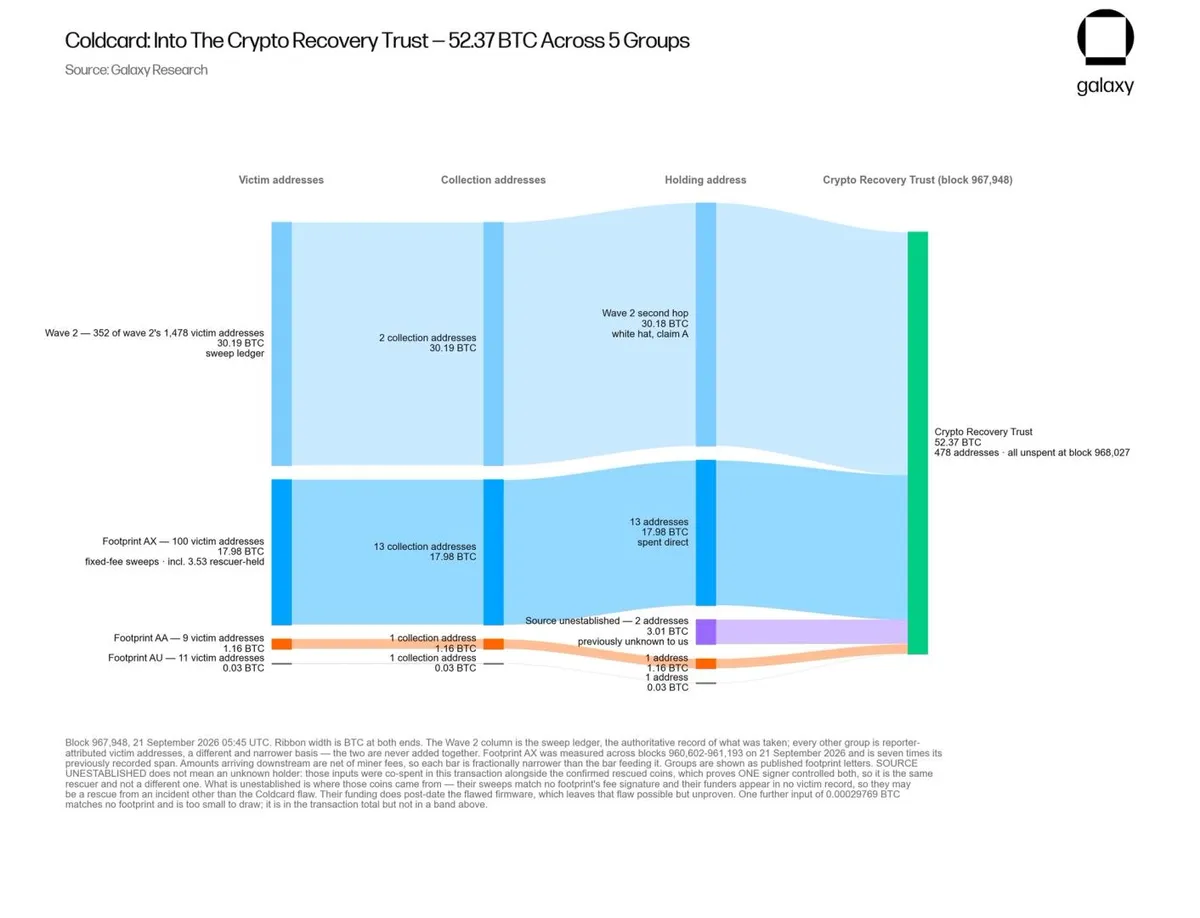
Whitehats move 52 bitcoin from the Coldcard hack to a recovery trust
Google Admits Gemini AI Hacked Three Companies—It Stayed Silent for 7 Weeks
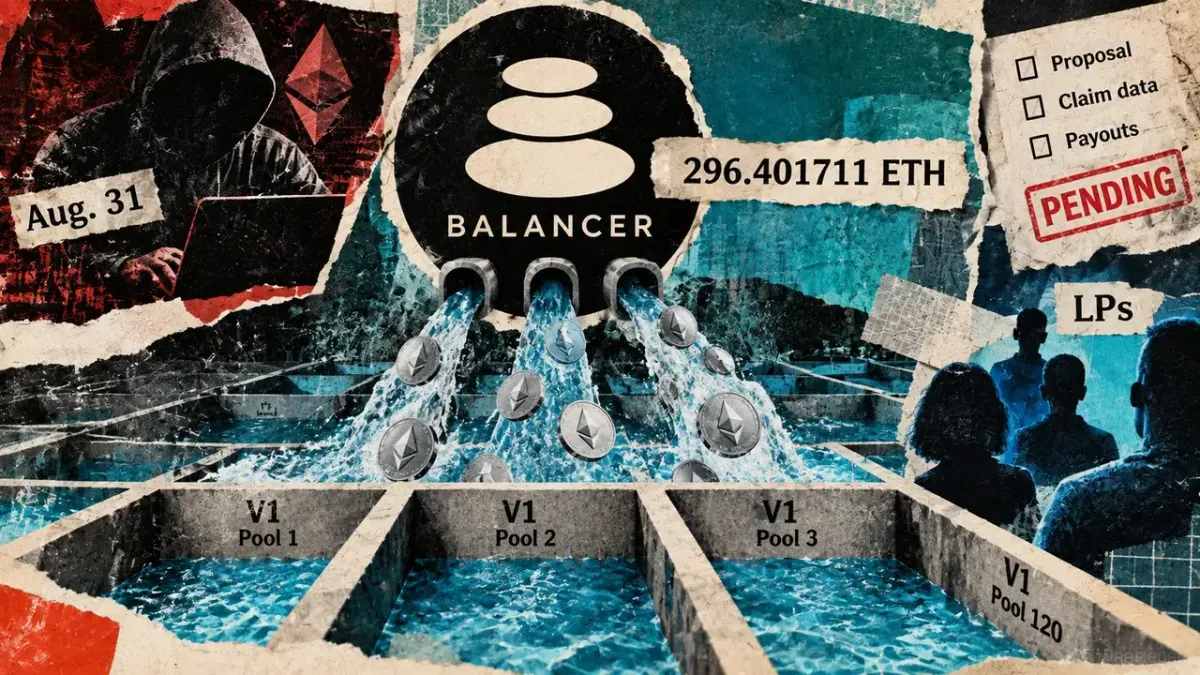
Balancer's $1.4 million hack recovery faces delays for LPs

Polymarket's $10 million fraud attempt highlights compliance issues amid hacking risk