North Carolina Bill Recognizes CFTC's ‘Federal Regulatory Authority’ Over Prediction Markets
In a significant move for the regulation of prediction markets, North Carolina’s latest budget law has officially recognized the Commodity Futures Trading Commission (CFTC) as the federal regulatory authority overseeing platforms like Kalshi and Polymarket. This development allows these prediction markets to operate under the CFTC's purview, simplifying their regulatory landscape. Additionally, the law imposes a tax rate of 6% on these platforms, which is notably lower than the rates being considered by other states. This decision positions North Carolina as a potentially attractive environment for prediction market operations, balancing regulatory oversight with a business-friendly tax structure.
The context behind this legislation stems from the evolving landscape of prediction markets in the United States. As these markets grow in popularity, various states have been grappling with how to regulate them effectively. Historically, prediction markets have operated in a gray area, often facing scrutiny from both state and federal regulators. The CFTC has long sought to establish itself as the primary regulator for these platforms, arguing that they offer valuable insights into future events and trends. By affirming the CFTC's authority, North Carolina is aligning itself with a clearer regulatory framework, which could help foster innovation and growth within this sector.
This development matters significantly for the market as it may encourage other states to consider similar regulatory frameworks. With a more defined federal oversight mechanism, platforms like Kalshi and Polymarket could expand their services and user bases, knowing they operate under a consistent regulatory environment. Furthermore, the lower tax rate may attract more entrepreneurs and investors to North Carolina, potentially positioning the state as a hub for prediction market activity. This could pave the way for increased competition and innovation in the space, ultimately benefiting consumers and market participants alike.
Industry reaction has been largely positive, with many experts recognizing the potential benefits of this regulatory clarity. Supporters argue that the CFTC's involvement could lend legitimacy to prediction markets, which have been met with skepticism by some in the financial community. Additionally, the tax rate is seen as a proactive step to encourage growth within this nascent industry, contrasting sharply with states that have opted for heavier taxation. Nevertheless, some caution remains, as stakeholders will be observing how the CFTC implements its oversight and whether it strikes the right balance between regulation and innovation.
Looking ahead, the implications of this legislation could be profound. As prediction markets continue to gain traction, other states may be prompted to reevaluate their approaches to regulation and taxation. If North Carolina successfully attracts more market participants and demonstrates the benefits of a supportive regulatory environment, we could see a ripple effect encouraging similar policies nationwide. This could lead to a more robust and competitive landscape for prediction markets, fostering advancements in how these platforms operate and integrate into the broader financial ecosystem.

CoinMagnetic Team
Crypto investors since 2017. We trade with our own money and test every exchange ourselves.
Updated: July 2026
From our insights:
Related news

Anthropic's AI security scanner attracts crypto project applications
White House announces $215 million quantum competition amidst $2.4 billion AI commitments

Solana is about to halve its block times as final 200-millisecond upgrade nears
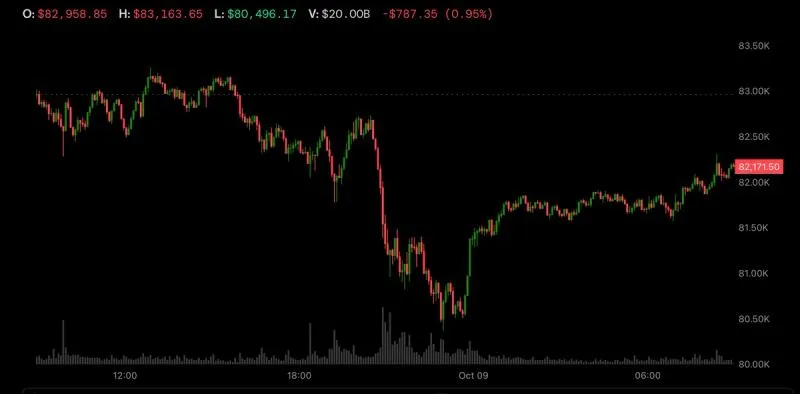
Bitcoin hits $82,000 as Trump eases Iran strike concerns and oil prices fall

China's peer-to-peer stablecoin wallets soar 43x amid bans, Korea leads in crypto