Non-dollar stablecoins are struggling to crack 0.5% of market share
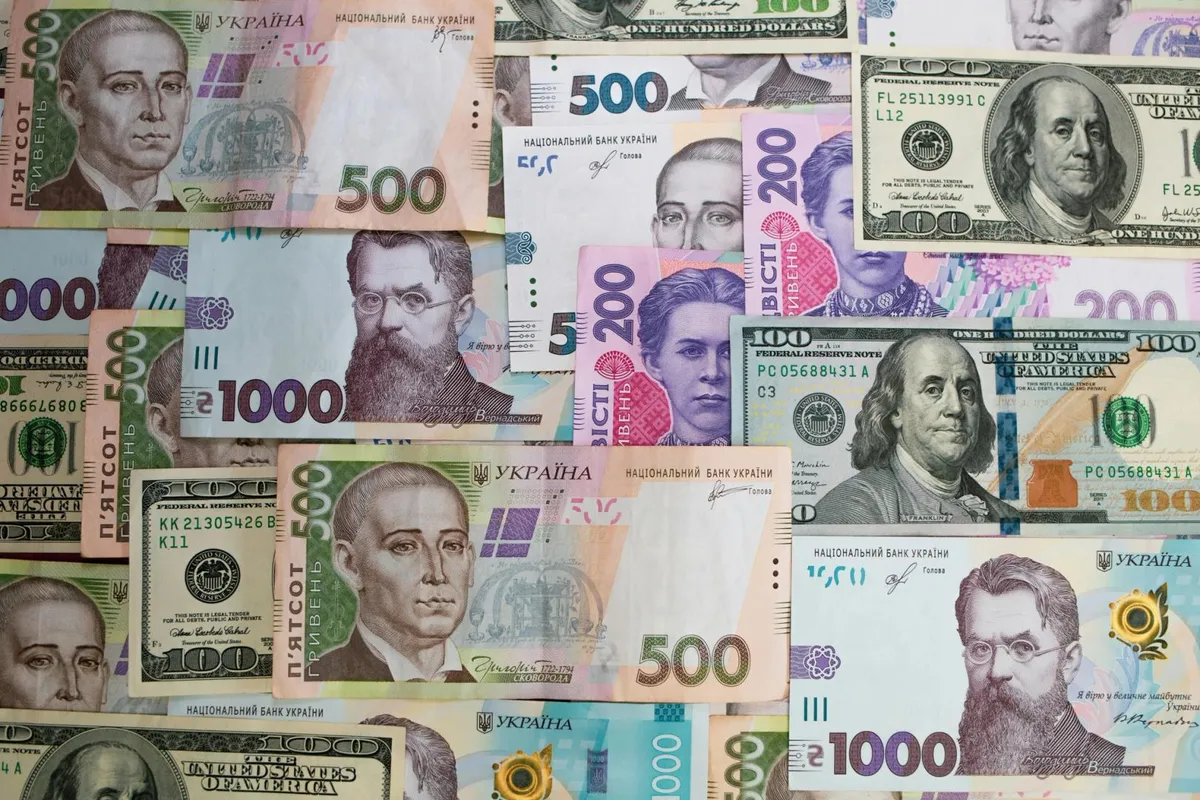
Recent data has revealed a notable trend in the stablecoin market: non-dollar stablecoins are struggling to establish a foothold, accounting for less than 0.5% of the overall market share. Despite the growing enthusiasm among developers and projects focusing on creating stablecoins pegged to assets other than the U.S. dollar, user adoption remains alarmingly low. The overwhelming preference for USD-denominated stablecoins, such as Tether (USDT) and USD Coin (USDC), continues to dominate the space, leaving these alternative stablecoins grappling for relevance and traction.
Historically, the rise of stablecoins was largely driven by the need for a reliable medium of exchange within the cryptocurrency ecosystem, particularly for trading and hedging purposes. The majority of users have gravitated towards USD-pegged stablecoins due to their perceived stability and liquidity, which are critical for trading activities on various exchanges. Non-dollar stablecoins, such as those pegged to the Euro or other fiat currencies, have not only faced challenges in gaining market trust but also in achieving the liquidity necessary for widespread use. This dynamic has perpetuated a cycle where users stick with familiar, established options.
The implications of this trend are significant for the broader cryptocurrency market. The dominance of dollar-pegged stablecoins reinforces the dollar's position as the primary currency in digital finance, potentially limiting the diversification of the ecosystem. If non-dollar stablecoins cannot gain traction, it could hinder the development of a more globally inclusive financial system that accommodates various currencies. This lack of market share may also stifle innovation in the stablecoin sector, as projects struggle to attract investment and resources in a landscape that heavily favors USD-based options.
Industry reactions to this phenomenon have been mixed. Some experts argue that the lack of adoption for non-dollar stablecoins reflects a broader hesitance among users to move away from the familiar and trusted USD framework. Others believe that the current market dynamics are simply a reflection of early-stage development, suggesting that as more innovative uses for non-dollar stablecoins emerge, user interest may increase. However, until these projects can effectively demonstrate their value propositions and gain user trust, the uphill battle for market share is likely to continue.
Looking ahead, it will be interesting to see how the landscape evolves. Developers of non-dollar stablecoins may need to rethink their strategies, perhaps by focusing on unique features or use cases that set them apart from their dollar-pegged counterparts. Additionally, regulatory developments and shifts in user sentiment towards financial inclusivity could play pivotal roles in shaping the trajectory of non-dollar stablecoins. As the cryptocurrency market continues to mature, the coming months may reveal whether these alternatives can break through the barriers that have thus far kept them from gaining significant traction.

CoinMagnetic Team
Crypto investors since 2017. We trade with our own money and test every exchange ourselves.
Updated: May 2026
From our insights:
Related news

Bitcoin surges past $86,000 as $1 billion in shorts are liquidated, eyes on $90,000
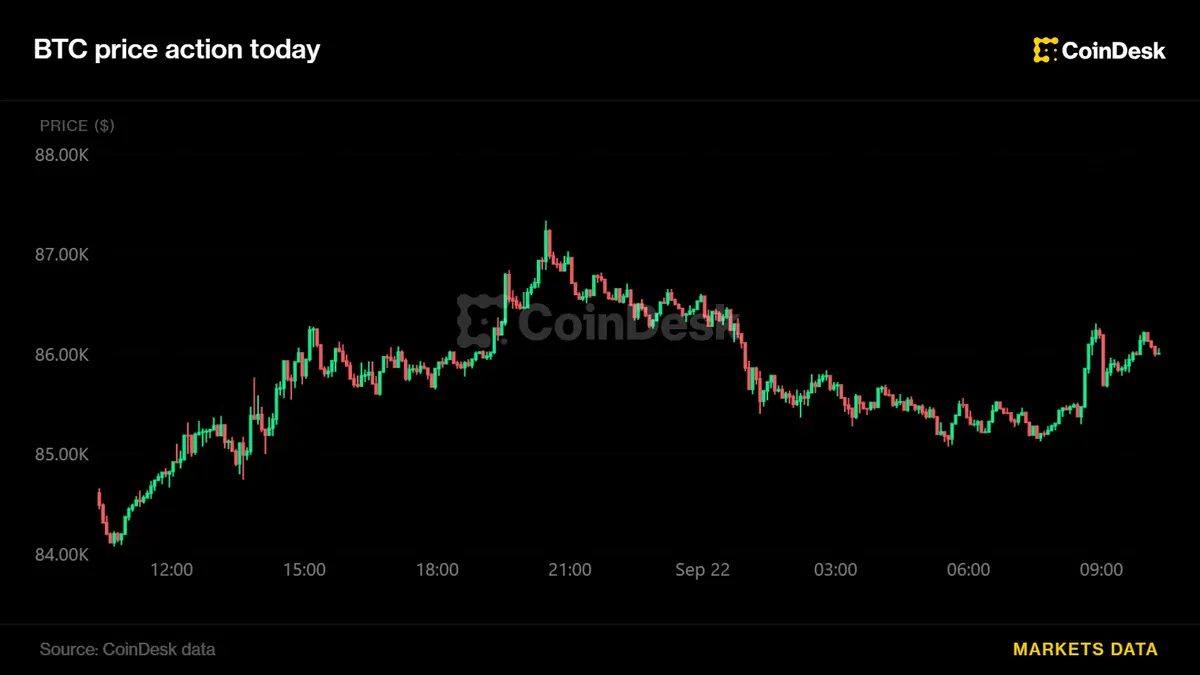
Bitcoin bounces back to $86,000 as oil prices decline and stocks rise

Prediction markets projected to reach $10 trillion by 2035, surpassing sports
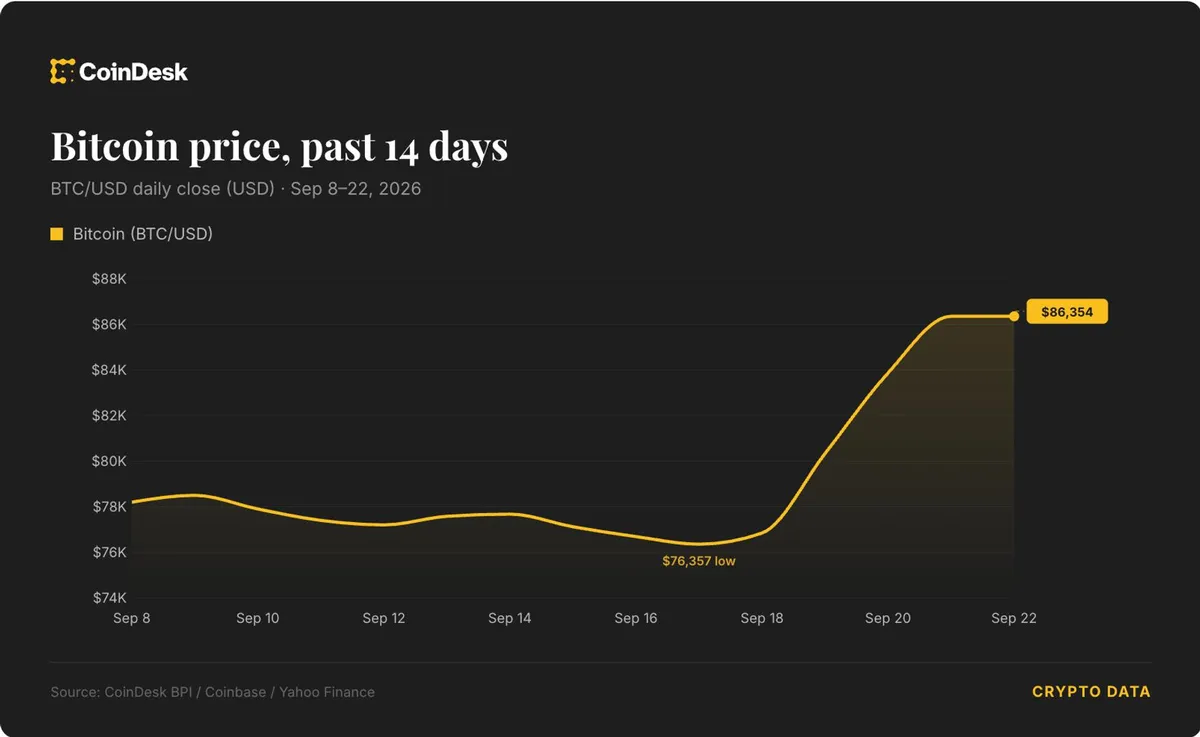
Iran hints at reopening Strait of Hormuz, WTI oil drops to $89
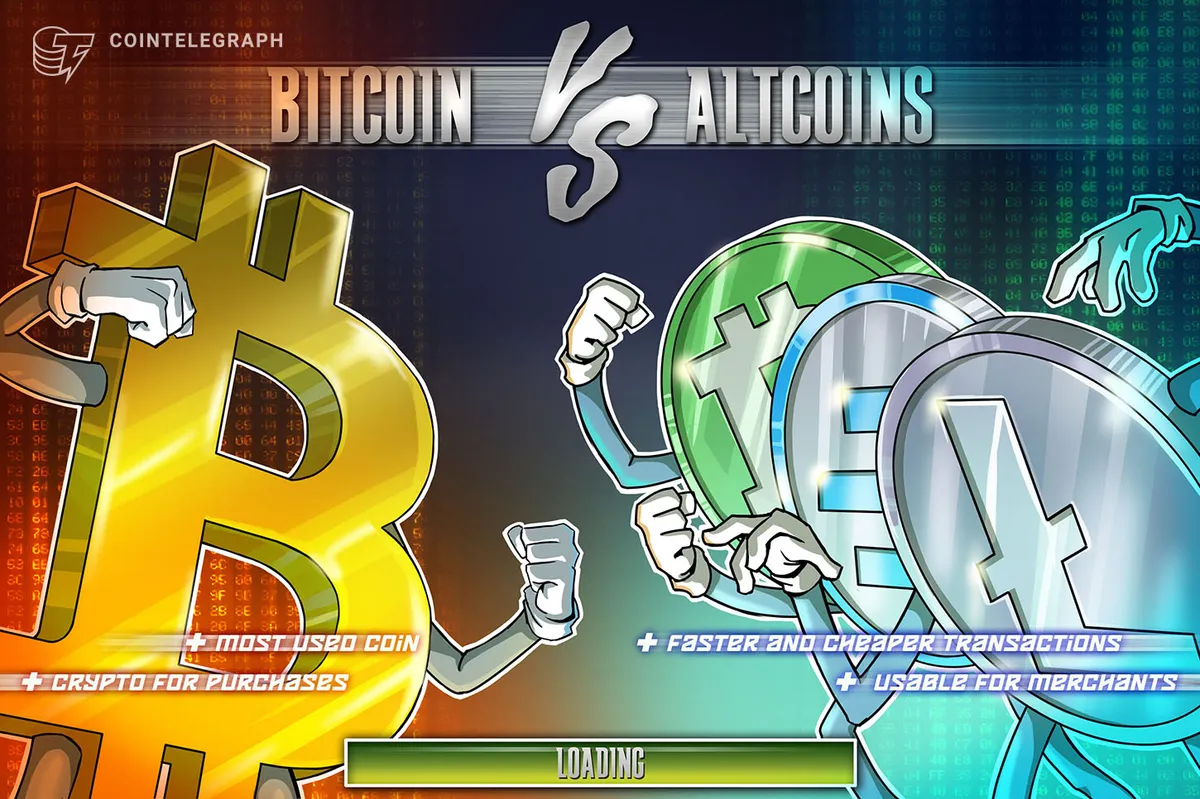
New altseason signal emerges as Bitcoin market cap stays under 60%