Ledger clarifies that Ethereum app vulnerability was patched before exploit

Recently, the cryptocurrency community was stirred by claims that an outdated Ethereum application posed a significant security risk to Ledger hardware wallets. OneKey, a competitor in the cryptocurrency wallet space, showcased a demonstration where the application could sign transactions that differed from what was displayed on the Ledger device. This raised alarms about the potential for exploitation among users. However, Ledger has quickly responded, asserting that the vulnerability had already been addressed and patched prior to the demonstration, thereby alleviating concerns about the security of their devices.
The context of this situation traces back to the ongoing scrutiny and evolution of security measures within the crypto wallet industry. Hardware wallets like Ledger are designed to protect users' digital assets from threats, but they are not impervious to vulnerabilities, especially when third-party applications are involved. The Ethereum application in question had been outdated, which is a reminder of the importance of regular updates for both software and firmware to ensure optimal security. Ledger's prompt response highlights their commitment to maintaining transparency and trust with their user base, particularly in a landscape where security breaches can lead to significant financial losses.
This clarification from Ledger is crucial for the market, as trust is a cornerstone of cryptocurrency adoption. Users are often wary of potential vulnerabilities that could expose their assets to theft. By confirming that the vulnerability was patched, Ledger aims to reassure its customers and the broader crypto community that they prioritize security and are proactive in addressing potential issues. This incident serves as a reminder of the importance of keeping software up to date and being vigilant about security practices in the crypto space.
Industry reaction has been mixed, with some experts praising Ledger for its swift communication while others argue that the initial demonstration by OneKey raised valid concerns about the security of third-party applications. The situation has sparked discussions about the collective responsibility of wallet providers to ensure that their ecosystems are secure and that users are educated on the risks associated with outdated applications. Some analysts suggest that this incident could lead to increased scrutiny of not just Ledger, but all hardware wallet manufacturers, prompting them to enhance their security protocols.
Looking ahead, the focus will likely shift to user education and the importance of maintaining up-to-date software across all wallet platforms. Ledger's proactive approach in addressing the vulnerability could become a case study for other companies in the industry, emphasizing the need for transparency and prompt communication in the face of potential security issues. As the crypto landscape continues to evolve, ensuring the safety of user assets will remain paramount, making it essential for companies to stay ahead of potential vulnerabilities.

CoinMagnetic Team
Crypto investors since 2017. We trade with our own money and test every exchange ourselves.
Updated: August 2026
From our insights:
Related news
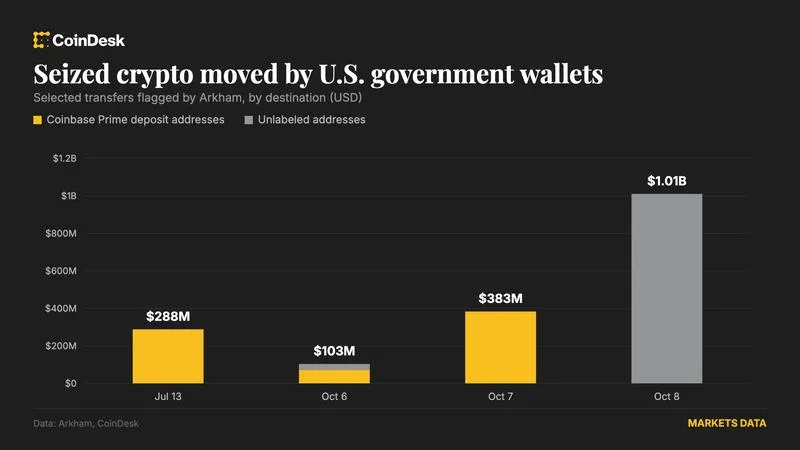
U.S. government moves $1 billion in bitcoin from Bitfinex hack wallet, no sale indicated

US government shifts $1B in Bitcoin following $770M Bitfinex recovery

Crypto lending surges 55% since July amid rising AI hack risks

Uranium Finance hacker convicted for $50 million theft, spent on collectibles
AI-assisted hackers breach database of 850,000 members at megachurch