Nigeria sets crypto tax collection rules for digital asset platforms

Nigeria has officially established a framework for the taxation of digital assets, detailing how existing tax obligations will apply to transactions involving cryptocurrencies. This new set of rules addresses the tax implications tied to crypto disposals and rewards, clarifying the responsibilities of digital asset platforms operating within the country. Notably, the guidelines indicate that certain amounts withheld during transactions may be payable in the originating cryptocurrency, which reflects a growing recognition of the need for clear tax protocols in the evolving digital asset landscape.
The introduction of these tax collection rules comes at a crucial time for Nigeria, where interest in cryptocurrencies has surged amidst economic challenges. As one of the leading nations in Africa in terms of cryptocurrency adoption, Nigeria's regulatory approach is being closely watched by other countries on the continent. The government's efforts to formalize the tax framework signal a shift towards recognizing digital currencies as a legitimate aspect of the economy, positioning the country as a leader in crypto regulation in the region.
This regulatory development is significant for the market, as it may promote greater compliance among crypto businesses operating in Nigeria. By establishing a clear tax structure, the government aims to create a more stable environment for investors and companies, potentially attracting more institutional interest and investment in the crypto space. Additionally, the ability to pay certain tax amounts in the originating token could encourage continued use and circulation of cryptocurrencies within the local economy.
Industry reactions to Nigeria's new tax rules have been mixed. Some experts view this as a positive step towards legitimizing the crypto industry and fostering a more organized market. Others, however, express concerns about the practicality of tax collection in a sector that is inherently decentralized and often operates outside traditional financial systems. The balance between fostering innovation and ensuring regulatory compliance remains a crucial topic of discussion among stakeholders.
Looking ahead, this new tax framework may pave the way for further regulatory advancements in Nigeria's crypto landscape. As the government continues to refine its policies, it will be essential to monitor how these regulations impact the growth of digital asset platforms and the broader market. The ongoing dialogue between regulators and industry players will likely shape the future of cryptocurrency in Nigeria and potentially influence tax policies in other countries.

CoinMagnetic Team
Crypto investors since 2017. We trade with our own money and test every exchange ourselves.
Updated: August 2026
From our insights:
Related news
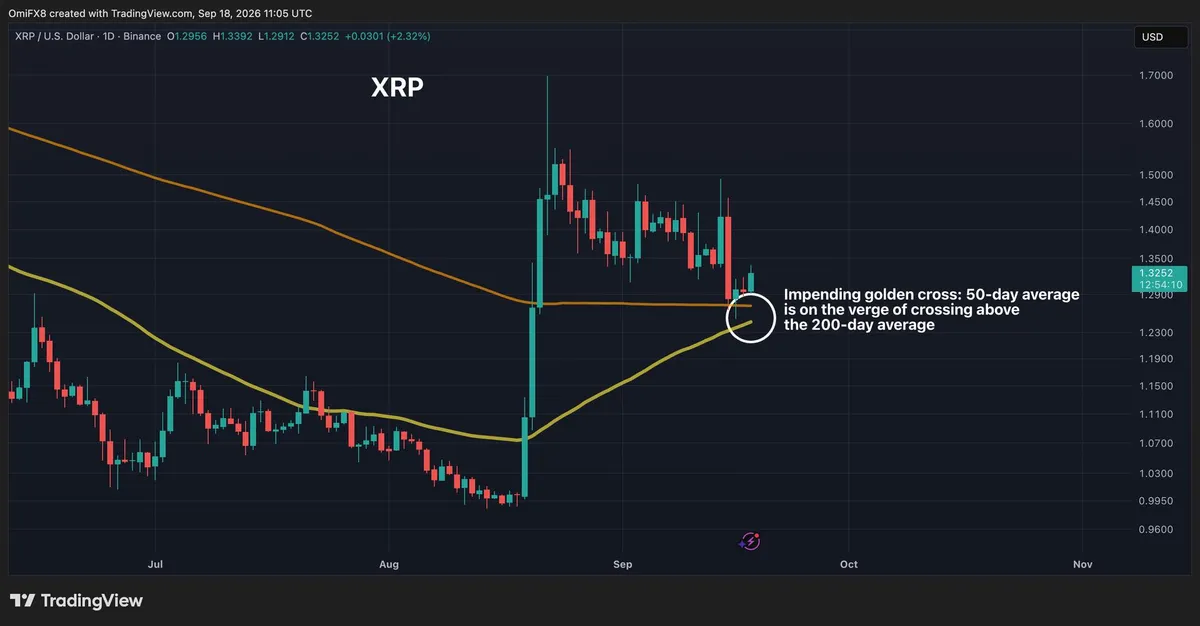
XRP nearing a golden cross as attention shifts to altcoins

Bitcoin bullish as Fisher Transform indicator shows rare crossover for fourth time
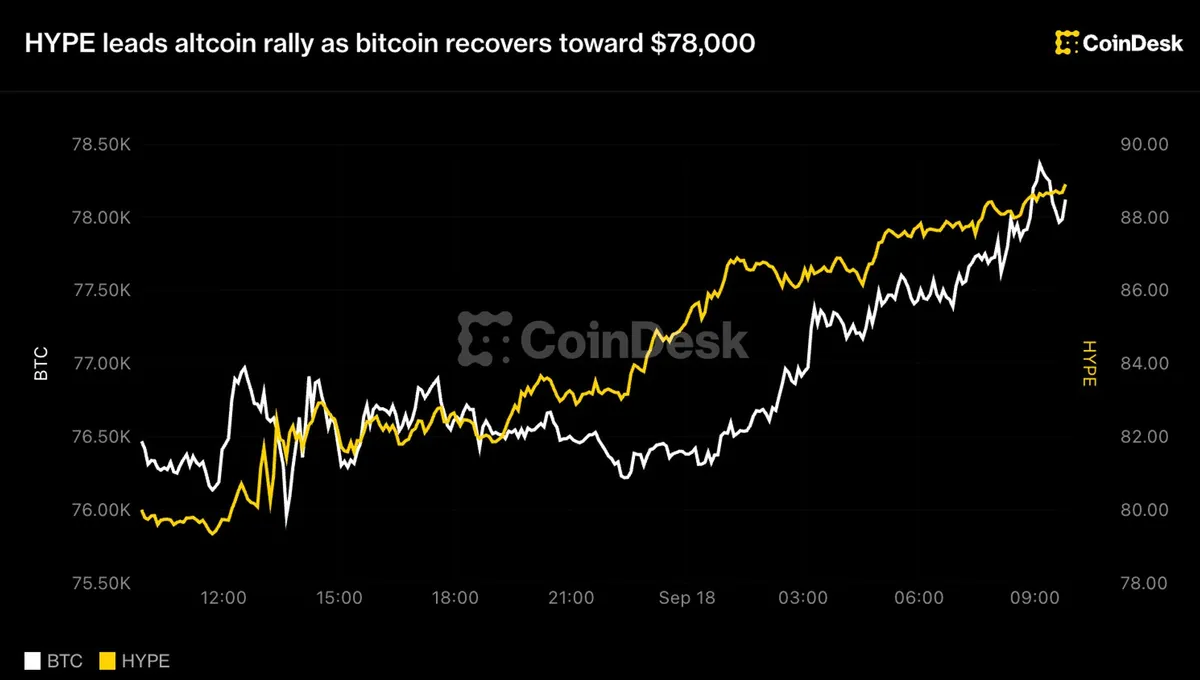
HYPE drives altcoin surge as bitcoin approaches $78,000 after recovery

Dtcpay secures $25 million funding to enhance payment offerings and merchant network

Analyst James Check suggests Bitcoin bottom may be at $58K after capitulations