New York, Maryland and Utah to hold primaries with crypto PAC money hanging over voters

In a significant development for the intersection of politics and cryptocurrency, New York, Maryland, and Utah are gearing up for primaries that have drawn considerable attention due to the influence of crypto-backed political action committees (PACs). These PACs have reportedly spent over $8 million on media campaigns aimed at bolstering candidates in these states. The influx of money has sparked controversy, particularly in Maryland, where some Democratic candidates are facing pressure to distance themselves from what they deem "outside spending from crypto billionaires." This situation raises important questions about the role of cryptocurrency in political funding and its potential implications for the democratic process.
The rise of crypto PACs is a relatively recent phenomenon, emerging as cryptocurrencies gained traction and popularity over the past few years. These PACs aim to support candidates who align with their interests, particularly those advocating for favorable regulations and policies regarding digital assets. As cryptocurrencies continue to reshape financial landscapes, they are also making inroads into the political arena, reflecting their growing significance in American society. The unprecedented spending by these PACs highlights the increasing importance of digital currency in influencing political outcomes.
The implications of this spending for the market are multifaceted. On one hand, the backing of candidates who support cryptocurrency could lead to more favorable regulations, potentially spurring innovation and investment within the sector. On the other hand, the backlash against perceived outside influence might raise concerns about the integrity of the electoral process. As voters become more aware of the financial forces at play, there could be a growing demand for transparency in campaign financing, particularly regarding contributions from the crypto industry.
Industry experts and political analysts are divided in their reactions to this situation. Some argue that the involvement of crypto PACs is a natural evolution as the industry seeks representation and influence in policy-making. Others caution that the influx of significant funds from crypto investors could undermine the democratic process, effectively allowing wealthy individuals to exert disproportionate influence over elections. The debate highlights the ongoing tension between innovation in finance and the principles of democratic governance, prompting stakeholders to consider how best to navigate this complex landscape.
Looking ahead, the outcomes of these primaries may set important precedents for the future of crypto in politics. If candidates supported by crypto PACs are successful, it may embolden further investment in political campaigns from the crypto sector. Conversely, if public sentiment turns against this funding model, it could lead to calls for stricter regulations on campaign finance related to cryptocurrency. As the political landscape evolves, the relationship between cryptocurrency and politics will likely continue to be a focal point of discussion and scrutiny in the months to come.

CoinMagnetic Team
Crypto investors since 2017. We trade with our own money and test every exchange ourselves.
Updated: June 2026
From our insights:
Related news

GameStop possibly forfeits $31 million in Bitcoin gains from options trade

Researchers trace 1.1 million Bitcoin to early miner but Satoshi's identity remains unclear
Bitcoin, ether perpetual volumes on Kalshi are dominated by an unusual, repetitive trade, data shows
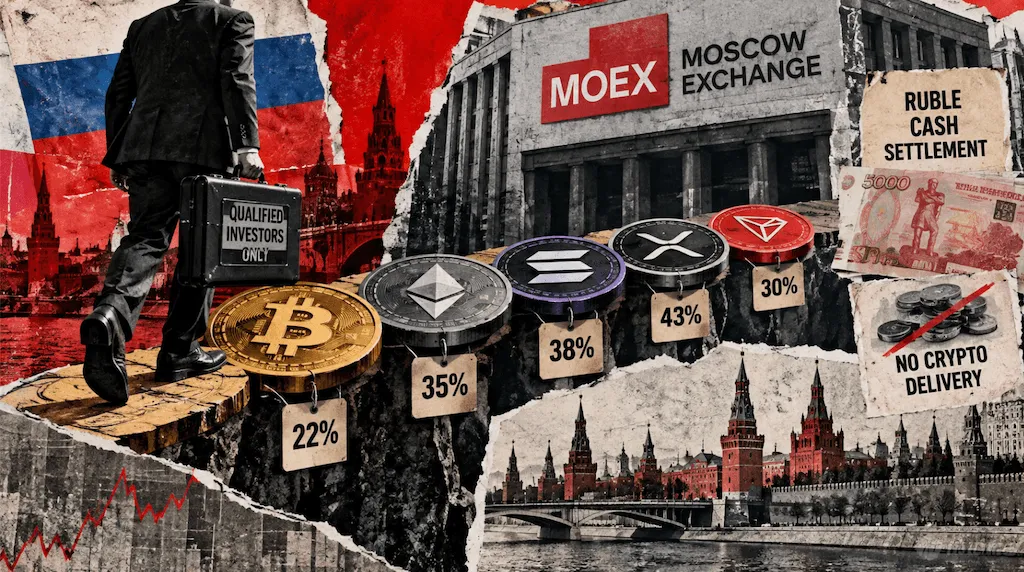
Moscow Exchange introduces 5 crypto perpetual futures amid 600 billion ruble demand
SoFi begins stablecoin settlement on Mastercard network for program expected to exceed $25 billion in annualized volume