New York lawsuit tests lost property claim over dormant Bitcoin

A recent lawsuit in New York is setting the stage for a significant legal precedent regarding the ownership of cryptocurrency, particularly focusing on a staggering 39,069 dormant Bitcoin wallets. The case raises critical questions about the intersection of lost property claims and digital assets, as the plaintiffs argue for rightful ownership over these wallets that have remained inactive for an extended period. At the heart of this lawsuit lies the complex issue of private keys–essentially the digital keys that allow individuals to access and manage their Bitcoin holdings. The outcome of this case could have far-reaching implications for how lost or dormant cryptocurrencies are treated under property law.
Understanding the context of this lawsuit requires a closer look at the nature of Bitcoin and other cryptocurrencies. Unlike traditional assets, digital currencies operate on decentralized networks, which means that ownership is determined by possession of private keys rather than conventional titles or deeds. The issue of dormant wallets is particularly pertinent in the crypto space, as many investors have lost access to their wallets due to forgotten private keys or lost hardware wallets. This situation raises a myriad of legal questions–what constitutes ownership, and how can individuals reclaim assets that are effectively 'lost' in the digital ether?
The implications of this lawsuit extend beyond the parties involved, as it probes the broader legal framework surrounding cryptocurrency ownership and property rights. If the court rules in favor of the plaintiffs, it could set a precedent that recognizes dormant Bitcoin as a form of lost property, thus opening the door for similar claims in the future. This could lead to an influx of legal disputes as individuals seek to reclaim lost or forgotten crypto assets, potentially reshaping the landscape of digital asset ownership. Moreover, such a ruling could encourage further regulatory scrutiny, as lawmakers grapple with how to categorize and protect digital currencies within existing legal frameworks.
Reactions from the industry have been varied, with legal experts weighing in on the potential ramifications of the case. Some view it as a necessary step toward clarifying ownership rights in the crypto space, while others caution that it could introduce complications that may deter new investors from entering the market. Industry analysts have pointed out that the outcome could also influence the development of more robust frameworks for managing lost or dormant assets, which could ultimately enhance investor confidence. The case has sparked discussions among legal scholars and practitioners, highlighting the urgent need for coherent regulations as the cryptocurrency landscape continues to evolve.
Looking ahead, this lawsuit may serve as a catalyst for future legal and regulatory developments in the cryptocurrency sector. As the digital asset market expands and matures, the need for clear legal guidelines becomes increasingly apparent. The outcome of this case could prompt lawmakers to take a more active role in addressing issues surrounding digital ownership and lost assets, potentially leading to new legislation that further defines and protects the rights of cryptocurrency holders. As we observe the proceedings, it will be crucial to monitor how this case unfolds and the broader implications it may have for the future of cryptocurrency ownership and property law.

CoinMagnetic Team
Crypto investors since 2017. We trade with our own money and test every exchange ourselves.
Updated: May 2026
From our insights:
Related news
ECB and EU central banks propose liquidity thresholds for stablecoins

Four GOP senators backing CLARITY Act seek changes to stablecoin provisions
US investigates Binance for potential Iran-linked trading violations

Crypto sector emerges as top donor with $206 million in midterms backing
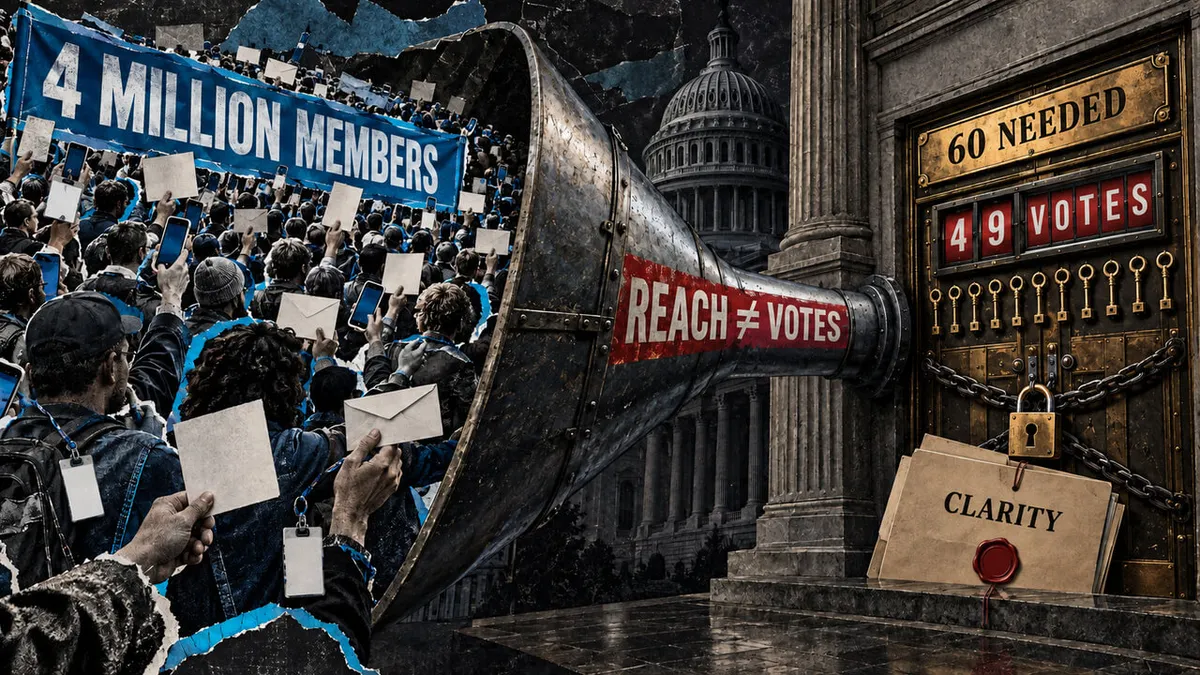
Stand With Crypto’s 4 million registered advocates couldn’t get the CLARITY Act through the Senate