New US inflation report leaves Bitcoin with a problem the Fed cannot solve yet

The latest inflation report from the United States has raised new concerns for Bitcoin and the broader cryptocurrency market. In April, headline Personal Consumption Expenditures (PCE) inflation climbed to 3.8% year-over-year, marking the highest increase in two years and nearly doubling the Federal Reserve's target of 2%. Meanwhile, core PCE inflation, which excludes volatile food and energy prices, remained steady at 3.3%, the highest level recorded since October 2023. Although the monthly core inflation figures eased slightly to 0.2%, falling short of economists' expectations of 0.3%, the overall data indicates that inflationary pressures remain persistent, leaving Bitcoin at a crossroads.
To understand the current situation, it's essential to consider the backdrop of the Fed's monetary policy. The Federal Reserve has been grappling with rising inflation rates for some time, implementing a series of interest rate hikes in an attempt to rein in price increases. However, the recent inflation figures suggest that the central bank's efforts may not be sufficient to achieve its inflation target. This scenario creates a challenging environment for Bitcoin, often viewed as an inflation hedge, as it struggles to maintain its value amid economic uncertainty and fluctuating monetary policy.
The implications of this inflation report for the cryptocurrency market are significant. Bitcoin, which typically thrives in an environment of low inflation and monetary stimulus, may find itself in a difficult position as the Fed continues to face pressure to address rising prices. Investors could become wary, leading to increased volatility in the market. The dissonance between Bitcoin's potential as a hedge and the realities of inflation could deter new investors and cause existing holders to reassess their positions.
Industry experts have weighed in on the situation, acknowledging the complexity of the current economic landscape. Some analysts suggest that Bitcoin's role as a digital store of value may be tested as inflation continues to challenge traditional monetary systems. Others remain optimistic, arguing that Bitcoin's fundamental properties may ultimately prevail, regardless of short-term fluctuations. The divergence in opinions reflects the uncertainty surrounding the relationship between inflation and cryptocurrency.
Looking ahead, the market will be closely monitoring the Fed's response to the latest inflation data. Any adjustments to interest rates or shifts in the central bank's monetary policy could have profound effects on Bitcoin's trajectory. Additionally, as more economic indicators emerge, investors will need to stay informed about how these developments may influence market sentiment and the future of cryptocurrencies.

CoinMagnetic Team
Crypto investors since 2017. We trade with our own money and test every exchange ourselves.
Updated: May 2026
From our insights:
Related news
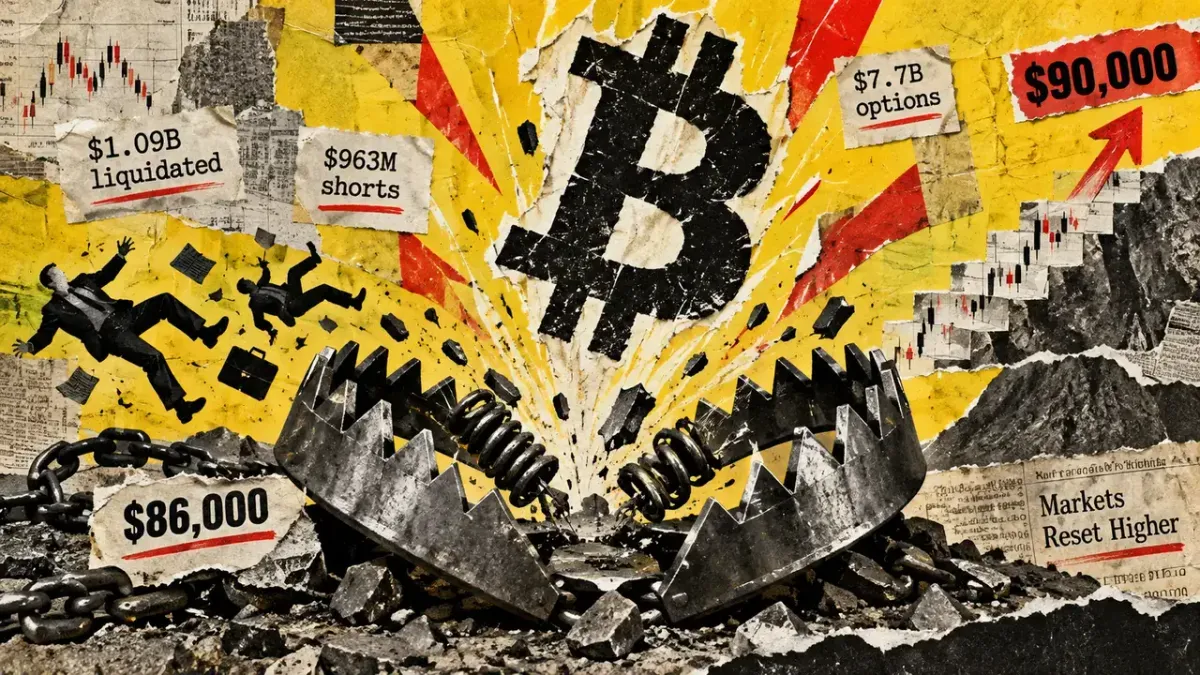
Bitcoin surges past $86,000 as $1 billion in shorts are liquidated, eyes on $90,000
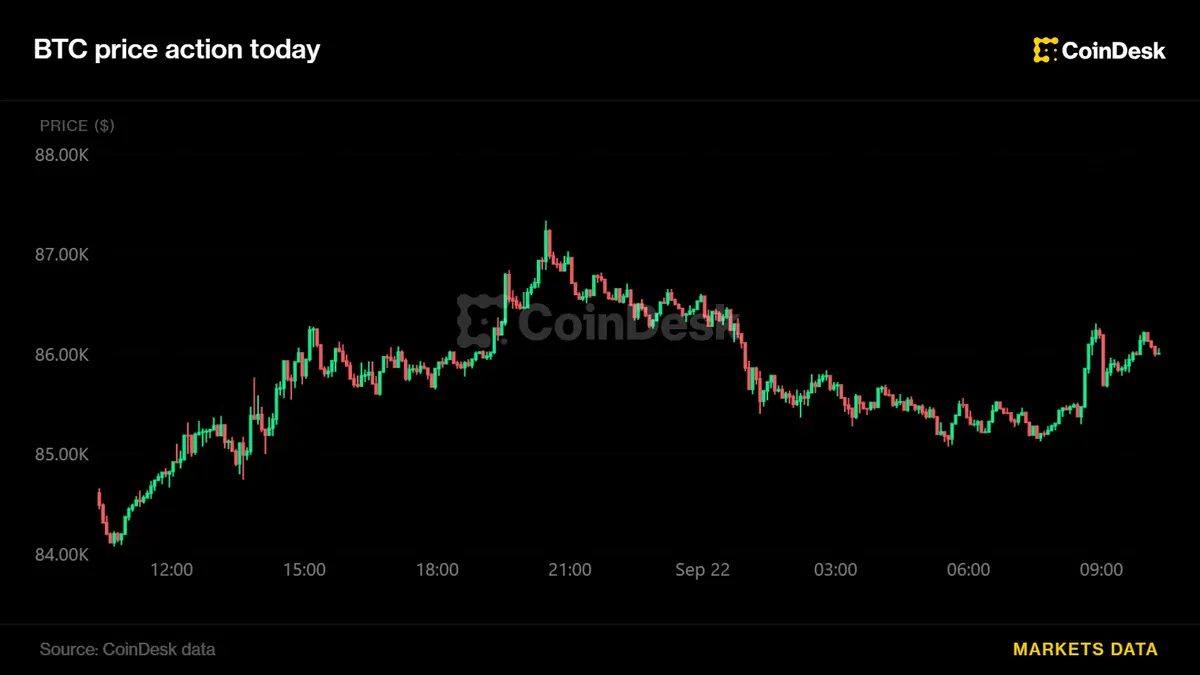
Bitcoin bounces back to $86,000 as oil prices decline and stocks rise

Prediction markets projected to reach $10 trillion by 2035, surpassing sports
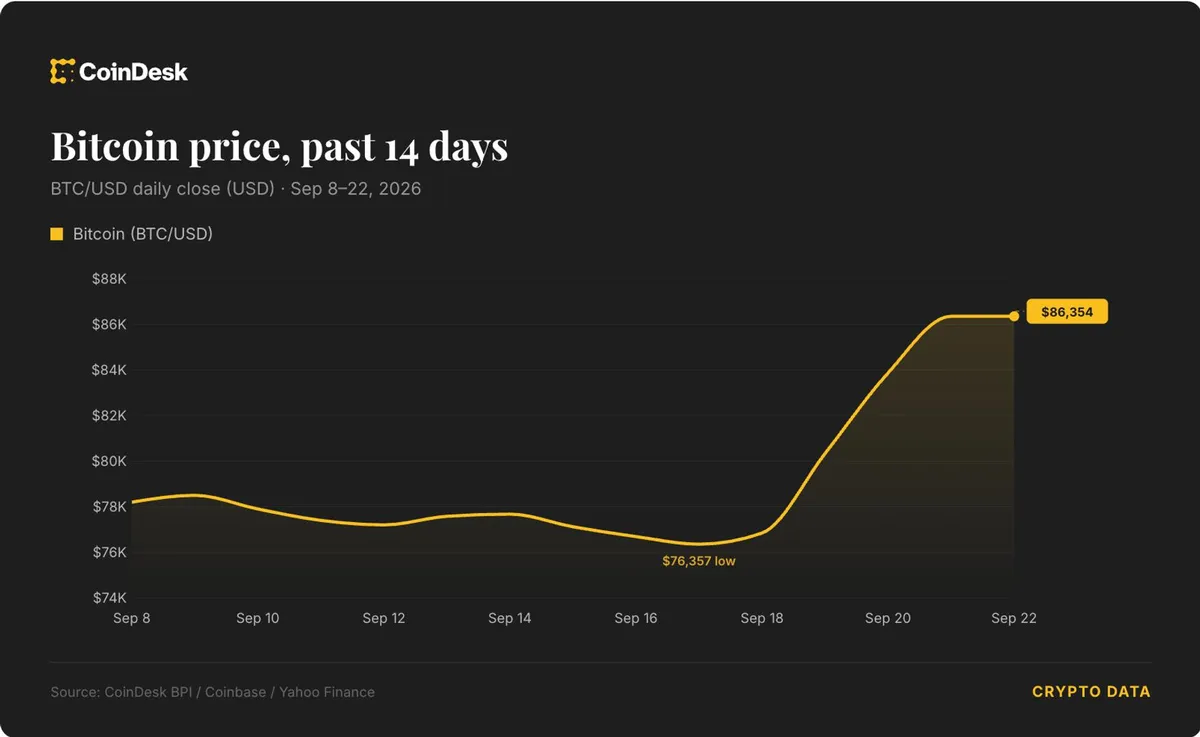
Iran hints at reopening Strait of Hormuz, WTI oil drops to $89

New altseason signal emerges as Bitcoin market cap stays under 60%