Nearly 10% of Bitcoin supply is ‘structurally unsafe’ from quantum breakthrough: Glassnode

In a recent analysis by analytics provider Glassnode, it was reported that nearly 10% of the total Bitcoin supply is considered to be "structurally unsafe" in the event of a significant quantum computing breakthrough. This revelation raises alarms regarding the security of Bitcoin, as quantum computers could potentially pose a threat to the cryptographic algorithms that underpin the network. Glassnode emphasizes the urgent need for the implementation of quantum-resistant solutions, such as Bitcoin Improvement Proposal 360 (BIP-360), to safeguard the integrity of the cryptocurrency against future technological advancements.
The concern over quantum computing's impact on cryptocurrencies is not new, but the findings from Glassnode add a quantitative perspective to an ongoing discourse. As quantum technology continues to advance, many in the cryptocurrency community have been pondering the implications of such breakthroughs on the security of various digital assets. Bitcoin, being the largest and most well-known cryptocurrency, serves as a focal point for these discussions, particularly given its reliance on specific mathematical problems that quantum computers could solve far more efficiently than classical computers.
The identification of this structurally unsafe Bitcoin supply is significant for the market, as it highlights vulnerabilities that could affect investor confidence and the overall stability of the cryptocurrency. If a quantum breakthrough were to occur without adequate safeguards in place, it could lead to a large-scale security crisis, potentially allowing malicious actors to compromise wallets and execute double-spending attacks. This scenario underscores the importance of proactive measures in the face of evolving technological threats, as market participants may increasingly seek assurances regarding the security of their investments.
Industry experts have responded to Glassnode's findings with a mix of concern and calls for action. Some analysts emphasize the need for a collaborative approach within the cryptocurrency community to develop and implement quantum-resistant protocols. Others argue that while quantum threats are real, there is still time to address these challenges before they materialize. The consensus appears to be that awareness and preparation are crucial, as the industry must remain vigilant in the face of rapid technological advancements.
Looking ahead, the conversation around quantum computing and its implications for Bitcoin and other cryptocurrencies is likely to intensify. As more research emerges and the potential risks become clearer, we may see a growing push for the implementation of quantum-proof solutions like BIP-360. The cryptocurrency community must prioritize these discussions to ensure a robust and secure future for digital assets in an era where quantum computing could redefine the landscape of cybersecurity.

CoinMagnetic Team
Crypto investors since 2017. We trade with our own money and test every exchange ourselves.
Updated: May 2026
From our insights:
Related news

SoFi begins stablecoin settlement on Mastercard network for program expected to exceed $25 billion in annualized volume
A $3.2 million 'bitcoin butterfly' option trade bets on $95,000 by the end of October

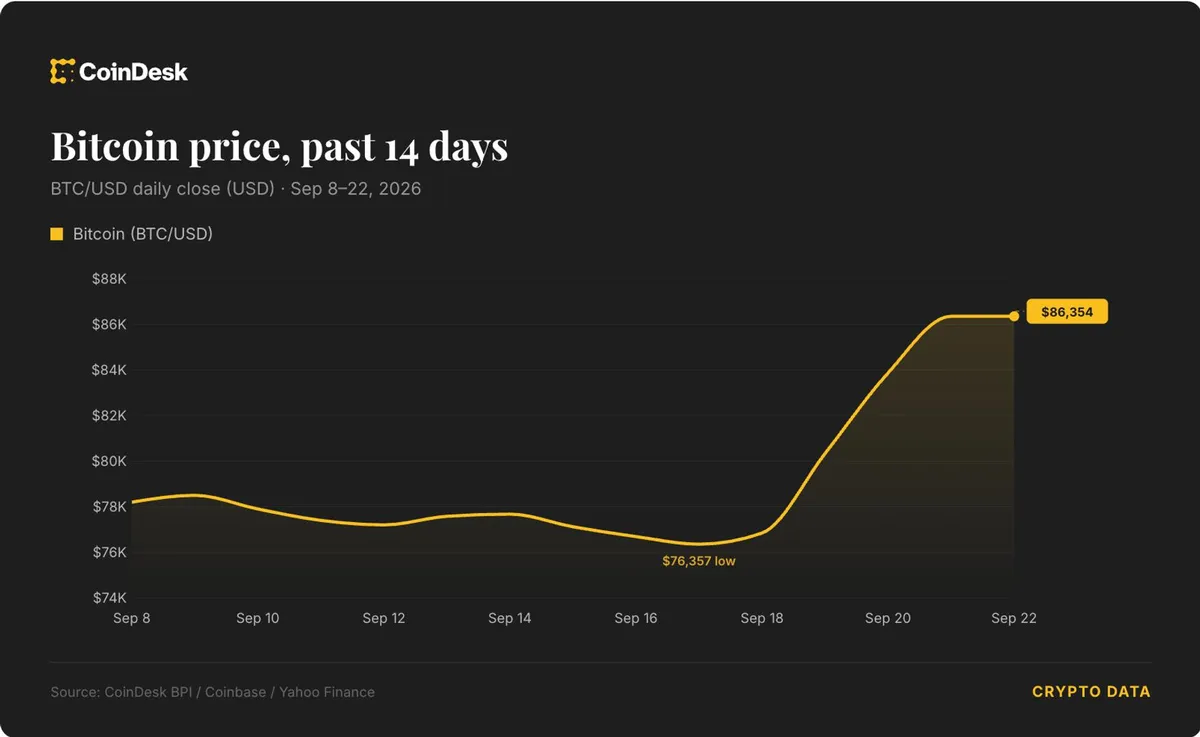
Bitcoin surges past $86,000 as $1 billion in shorts are liquidated, eyes on $90,000
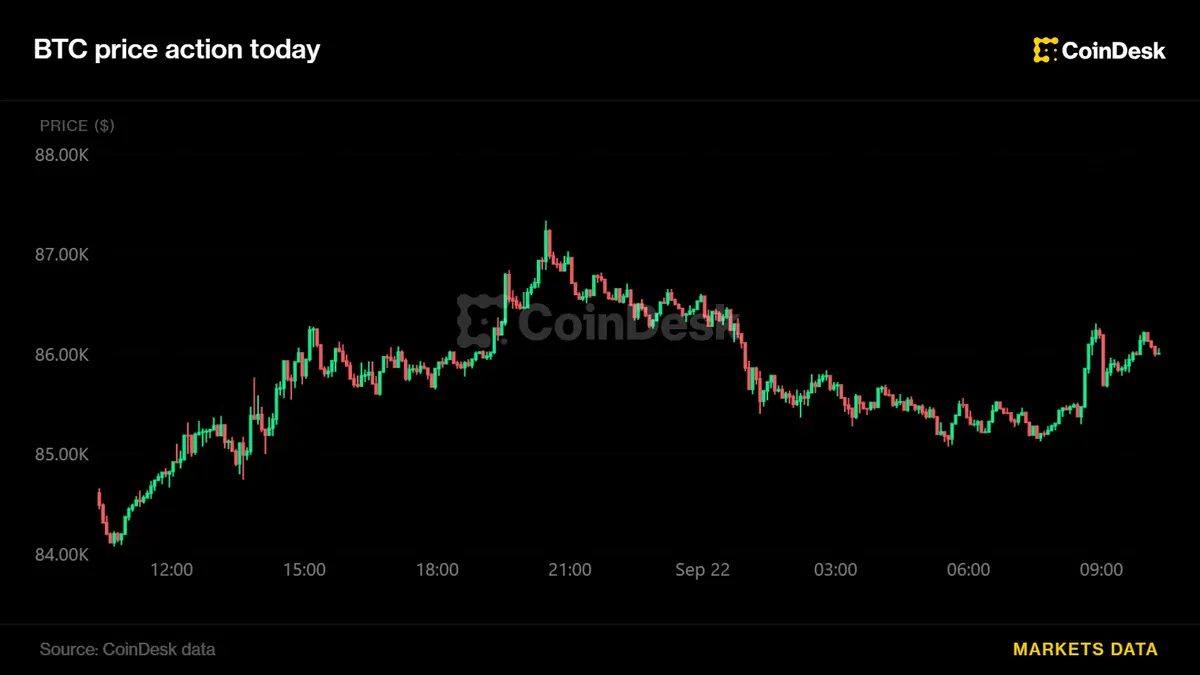
Bitcoin bounces back to $86,000 as oil prices decline and stocks rise

Prediction markets projected to reach $10 trillion by 2035, surpassing sports