Multi-year Bitcoin holder selling falls to 19-month low as halving model flags new market bottom date

Recent reports indicate that the selling activity among long-term Bitcoin holders has declined significantly, reaching a 19-month low. This trend suggests that many original Bitcoin (BTC) investors are choosing to hold onto their assets rather than liquidate them, which could imply a growing confidence in the cryptocurrency's long-term prospects. Additionally, analysts are pointing to specific market cycle indicators, notably the halving model, which suggests that September could mark a potential market bottom for Bitcoin. This combination of decreased selling pressure and predictive models is drawing considerable attention from market watchers.
To understand the significance of this development, it's essential to consider the historical behavior of Bitcoin holders. Typically, those who acquire Bitcoin and retain it for extended periods are seen as committed to the long-term value of the asset. A reduction in their selling activity often signals a bullish sentiment, as these holders may believe that the price is poised for an upward trajectory. The recent activity aligns with prior trends observed during previous market cycles, where multi-year holders refrained from selling during downturns, contributing to the market's eventual recovery.
This decline in selling from long-term holders is particularly important for the market as it may indicate a potential shift in sentiment among investors. With many speculating about the timing of the next bull run, a decrease in supply from holders who are unwilling to sell could create upward pressure on prices. The halving event, which historically has led to price surges, is also a key factor in this context. If market participants believe that a bottom is in sight, it may encourage new investments and further stabilize the market.
Industry experts have expressed varying opinions regarding the implications of this trend. Some analysts believe that the reduction in selling could lead to increased price stability, while others caution that external factors, including regulatory developments and macroeconomic conditions, could still impact Bitcoin's price trajectory. However, the consensus remains that the behavior of long-term holders is a positive sign, reinforcing the belief that a substantial portion of the market is committed to holding through volatility.
Looking ahead, the key question will be whether the market will indeed confirm the halving model's prediction of a September bottom. As we approach this timeframe, all eyes will be on the price movements of Bitcoin and the broader sentiment within the cryptocurrency community. If the indicators prove accurate, it could set the stage for a renewed interest in Bitcoin, potentially leading to increased buying activity and a recovery in market confidence.

CoinMagnetic Team
Crypto investors since 2017. We trade with our own money and test every exchange ourselves.
Updated: June 2026
From our insights:
Related news
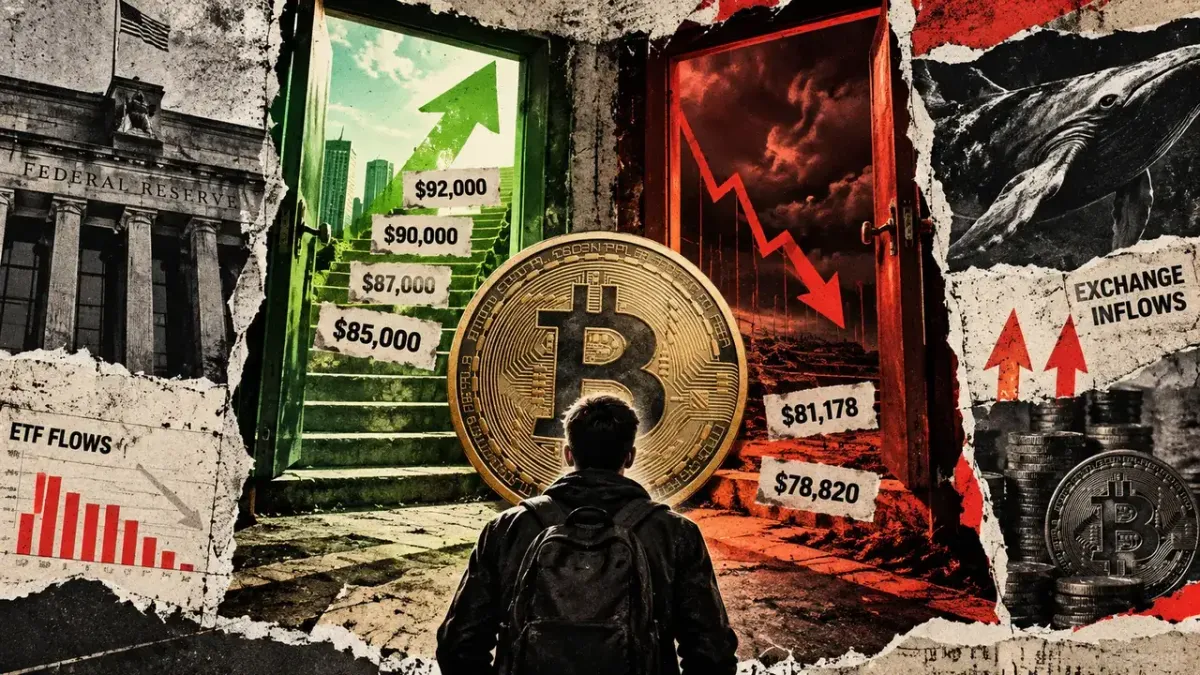
Bitcoin's weekly close above $81,000 signals potential rise to $90,000

Elon Musk's X integrates bitcoin trading options for U.S. users
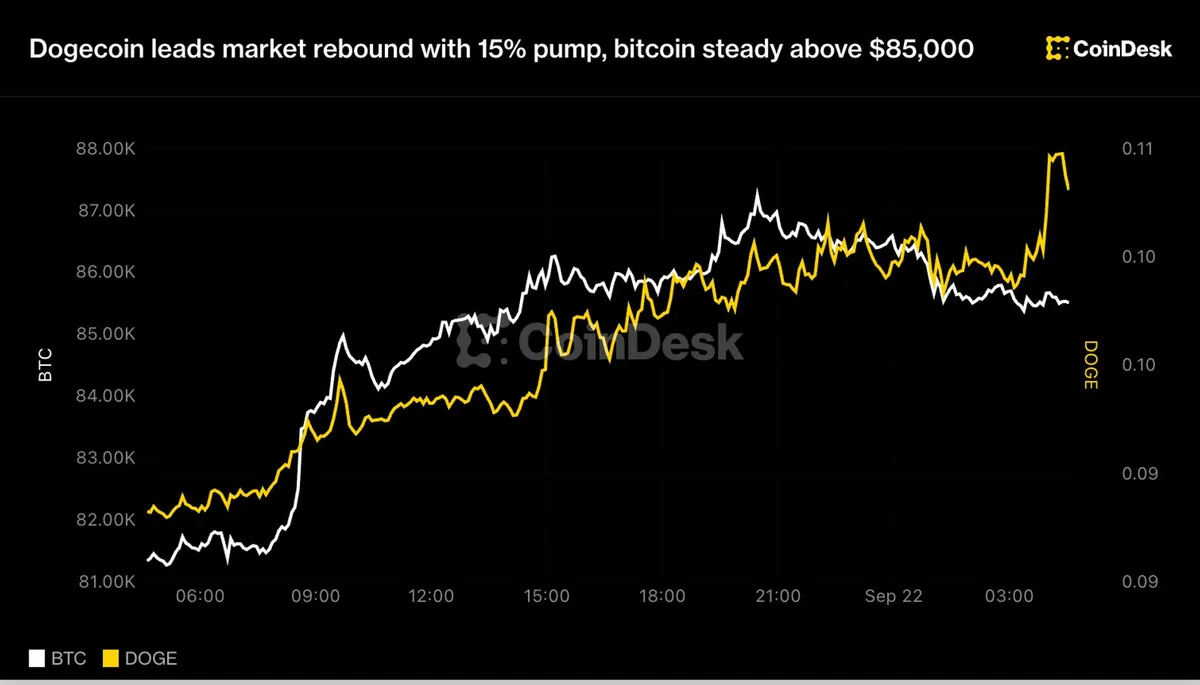
Dogecoin's 15% surge drives market recovery as bitcoin stabilizes above $85,000

Cardano adds tools for AI agent payments, joining Solana and XRP Ledger

Trueo prediction market moves from Base to Ethereum