Multi-trillion-dollar offshore engine driving 90% of crypto trading arrives in America – and CME is suing to crush it

Coinbase has made a significant move by introducing U.S. perpetual-style futures on its CFTC-regulated derivatives exchange. This launch includes nano Bitcoin and Ethereum contracts that are designed to track spot prices and come with embedded leverage. With trading occurring around the clock, this innovative financial product is expected to attract considerable interest from traders. The introduction of these perpetual contracts marks a pivotal moment in the U.S. crypto landscape, as they are already responsible for a substantial portion of the global crypto leverage trading.
To understand the significance of this development, we must consider the context of the broader crypto market. Perpetual futures are a popular tool among traders, particularly in offshore markets where they have thrived. Historically, these products have been associated with high volatility and risk, yet they have also provided liquidity and opportunities for profit. Their arrival in the U.S. market signifies a shift toward more accessible trading options for American investors, potentially leveling the playing field with international traders who have long had access to these instruments.
This development is particularly crucial for the market as it opens up new avenues for trading and investment strategies. The introduction of leveraged products can lead to increased trading volume and liquidity, which are essential for the health of any financial market. However, it also raises concerns about risk management and regulatory oversight, especially in a market that has seen its share of tumultuous events. As traders adapt to these new offerings, the overall market dynamics may shift, influencing price movements and trader behavior.
The reaction from industry players has been mixed. While some view the introduction of these contracts as a positive step for the maturation of the U.S. crypto market, others raise alarms about the potential for increased speculation and market manipulation. Notably, CME Group has filed a lawsuit against Coinbase, seeking to impede its operations related to these perpetual contracts. This legal action highlights the competitive tensions within the industry and raises questions about the future of derivatives trading in the U.S.
Looking ahead, the implications of this move are still unfolding. As Coinbase positions itself as a major player in the U.S. derivatives market, it will be crucial to monitor how regulatory bodies respond to the increasing complexity of crypto trading products. The outcome of the CME lawsuit will likely set a precedent for how similar offerings are treated in the future. Moreover, the response from traders and institutional investors will shape the adoption of these products, ultimately determining whether they can thrive in the competitive U.S. landscape.

CoinMagnetic Team
Crypto investors since 2017. We trade with our own money and test every exchange ourselves.
Updated: July 2026
From our insights:
Related news

Google Quietly Updates Privacy Policy to Let Gmail and Photos Data Feed Ads
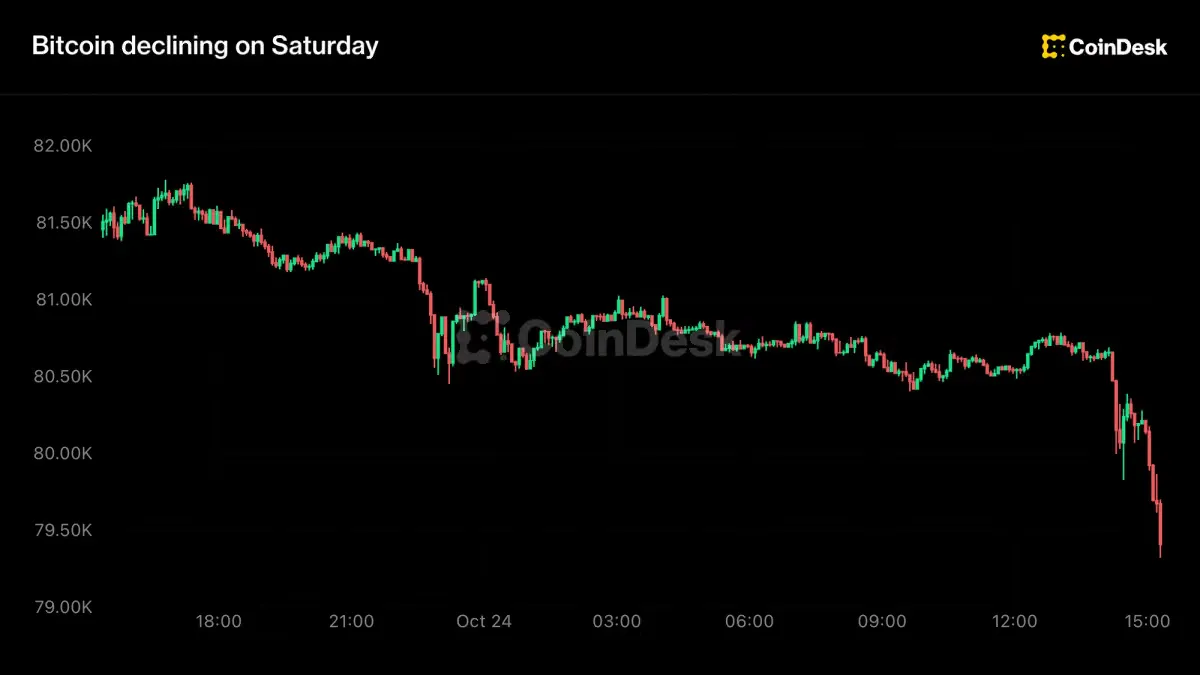
Bitcoin falls below $80,000 as U.S. evacuations heighten market pressure

Call of Duty studio discussed dropping physical discs as early as 2007

Xapo Bank CEO sees wealthy bitcoin holders favoring loans and yield strategies

IRS program overhaul targets reduced penalties for crypto and other tax violations