Morning Minute: Hyperliquid Is 'Bigger Than Nasdaq'
In a bold statement that has sent ripples through the financial world, the architect of the modern New York Stock Exchange (NYSE) has declared that Hyperliquid is "bigger than Nasdaq." This assertion comes amid a growing interest in Hyperliquid, a decentralized trading platform that aims to revolutionize the way assets are traded on the blockchain. By leveraging advanced technology and innovative trading methods, Hyperliquid is positioning itself as a formidable player in the financial markets, potentially outstripping traditional exchanges like Nasdaq in terms of trading volume and user engagement.
To understand the significance of this claim, it is essential to consider the broader context of the crypto and finance landscapes. Traditional stock exchanges have long dominated the trading arena, but the rise of decentralized finance (DeFi) platforms has begun to challenge that status quo. Hyperliquid is part of a larger trend where decentralized exchanges (DEXs) are gaining traction, offering advantages such as lower fees, increased transparency, and enhanced security. As traders and investors seek out alternatives to traditional systems, platforms like Hyperliquid are becoming increasingly relevant in the conversation around the future of finance.
The implications of Hyperliquid's growth are significant for the market as a whole. If the platform truly is "bigger than Nasdaq," it could signal a shift in how trading is conducted, with more participants gravitating towards decentralized solutions. This transition could lead to an increase in trading volumes on DeFi platforms, potentially impacting liquidity and pricing dynamics across both traditional and digital asset markets. Moreover, such a shift might encourage regulators to take a closer look at how they approach and govern decentralized trading systems, which could lead to new frameworks aimed at both protecting investors and fostering innovation.
Industry reactions to the news have been mixed, with some experts lauding Hyperliquid's potential to democratize trading and make it more accessible. Others, however, express caution, highlighting the inherent risks associated with decentralized platforms, including security vulnerabilities and regulatory uncertainties. Analysts from JPMorgan have also chimed in, indicating that the "debasement trade"–which refers to investing in assets perceived to be resistant to currency devaluation–is unwinding. This shift could further influence market dynamics as investors reassess their strategies in light of emerging platforms like Hyperliquid.
Looking ahead, the trajectory of Hyperliquid and similar platforms will be closely monitored by both industry insiders and market participants. As the DeFi space continues to evolve, it will be crucial for stakeholders to adapt to the changing landscape. Increased adoption and innovation from decentralized exchanges could herald a new era in trading, but it will also require a concerted effort to address the challenges that come with it. As we watch this space unfold, the dialogue around the future of finance and the role of traditional exchanges versus decentralized platforms will likely intensify.

CoinMagnetic Team
Crypto investors since 2017. We trade with our own money and test every exchange ourselves.
Updated: May 2026
From our insights:
Related news
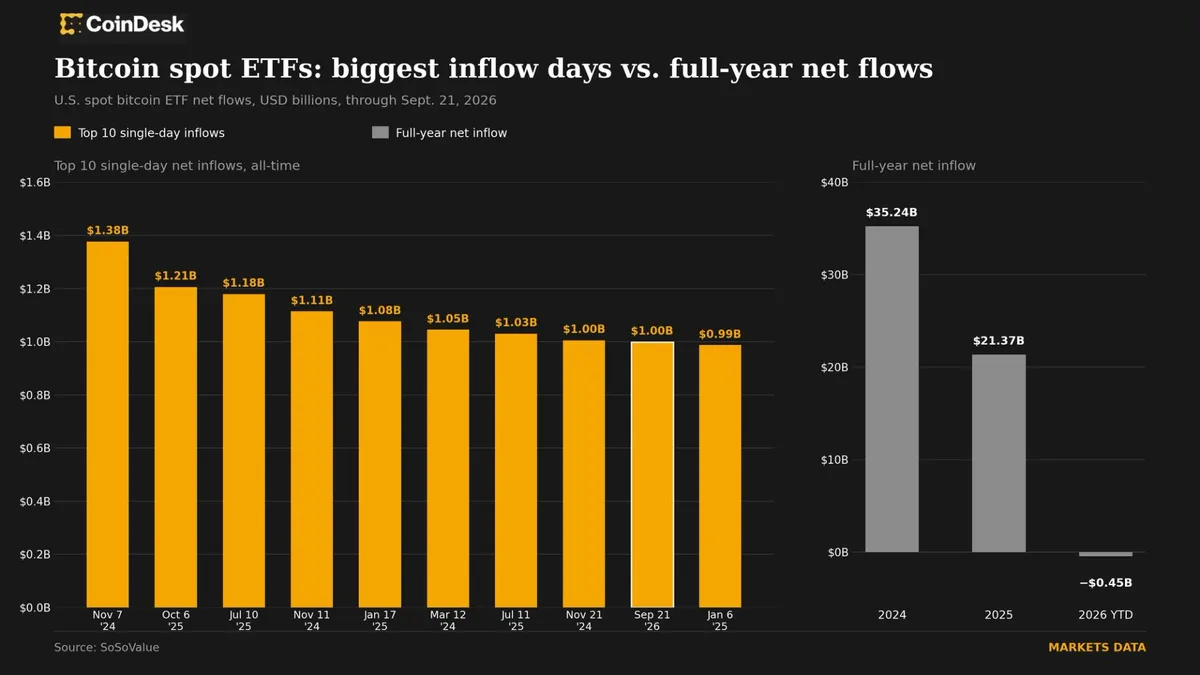
Spot bitcoin ETFs see nearly $1 billion inflow as bitcoin hits January highs
US spot Bitcoin ETFs see nearly $1 billion inflow, highest since October 2025
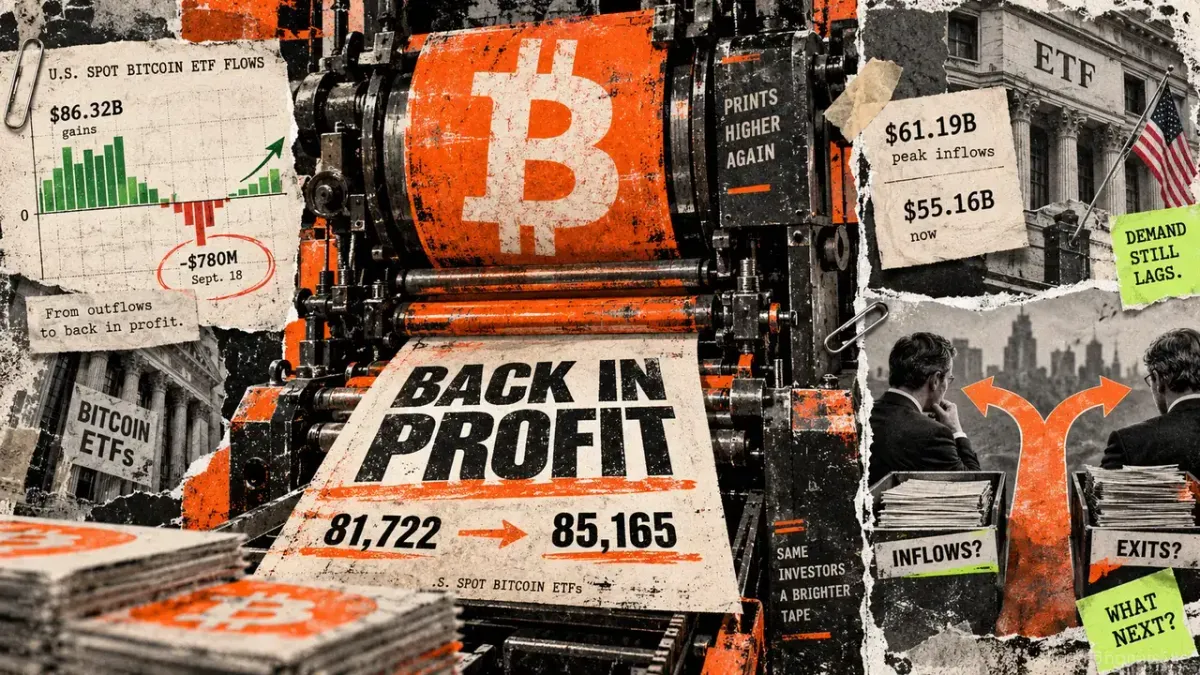
Bitcoin's rise to $86,000 restores profitability for ETF investors
Apple and Google seek crypto experts, signaling potential stablecoin initiatives

ECB initiates bond purchases using its own funds in crypto-linked system