Morgan Stanley and Charles Schwab are rushing into crypto: what do they see coming?
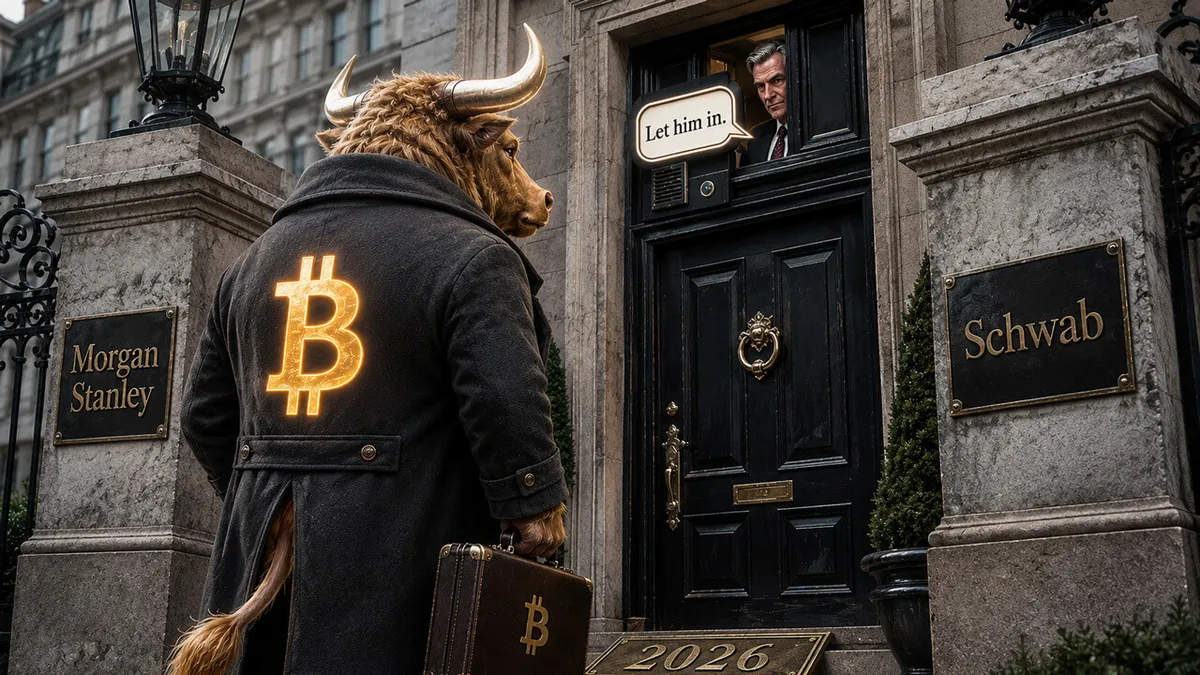
In a significant move reflecting the growing interest in cryptocurrencies, Morgan Stanley and Charles Schwab have begun to offer direct crypto trading within their standard brokerage accounts. This decision comes on the heels of substantial net inflows into US-traded spot Bitcoin ETFs, which have reached approximately $59.7 billion, with BlackRock's IBIT alone holding $66.7 billion in assets. Both financial institutions are responding to an increasing demand from their client bases, indicating a shift in how traditional finance is approaching the digital asset space.
The backdrop to this development can be traced to a broader acceptance of cryptocurrencies among institutional investors and the general public alike. Over the past few years, the regulatory landscape has started to stabilize, with clearer guidelines emerging that have encouraged more traditional financial institutions to explore digital assets. Morgan Stanley and Charles Schwab's entry into the crypto trading space reflects their acknowledgment of this trend and their commitment to offering services that resonate with their clients' interests and investment strategies.
This move by major players like Morgan Stanley and Charles Schwab is likely to have significant repercussions for the market. By integrating cryptocurrency trading into their platforms, these firms could potentially open the floodgates for retail investors who have been hesitant to engage with digital assets due to perceived complexities or security concerns. The convenience of trading crypto alongside traditional assets may lead to increased participation in the market, further driving demand and possibly enhancing price stability as institutional involvement grows.
Industry experts have responded positively to this news, viewing it as a validation of the cryptocurrency market's maturity. Many analysts believe that the entry of such respected financial institutions indicates a long-term commitment to the digital asset sector. It also underscores a pivotal moment where cryptocurrencies are being recognized as legitimate investment vehicles rather than speculative assets. Market participants are keenly observing how these developments will influence trading volumes, liquidity, and overall market sentiment.
Looking ahead, we can anticipate that Morgan Stanley and Charles Schwab will not be the last traditional financial institutions to embrace cryptocurrency trading. As more firms recognize the demand from their clients, we may see a wave of similar offerings across the industry. Additionally, this trend could lead to further innovations in financial products tied to cryptocurrencies, creating an even more interconnected financial ecosystem where digital and traditional assets coexist seamlessly. The next few months will be crucial in determining how this evolving landscape will shape the future of investing in both cryptocurrencies and conventional financial markets.

CoinMagnetic Team
Crypto investors since 2017. We trade with our own money and test every exchange ourselves.
Updated: May 2026
From our insights:
Related news

21shares launches first European ETP for Zcash after US ETF debut
Bitcoin ETFs attract nearly $1B in a single day as holders regain profitability
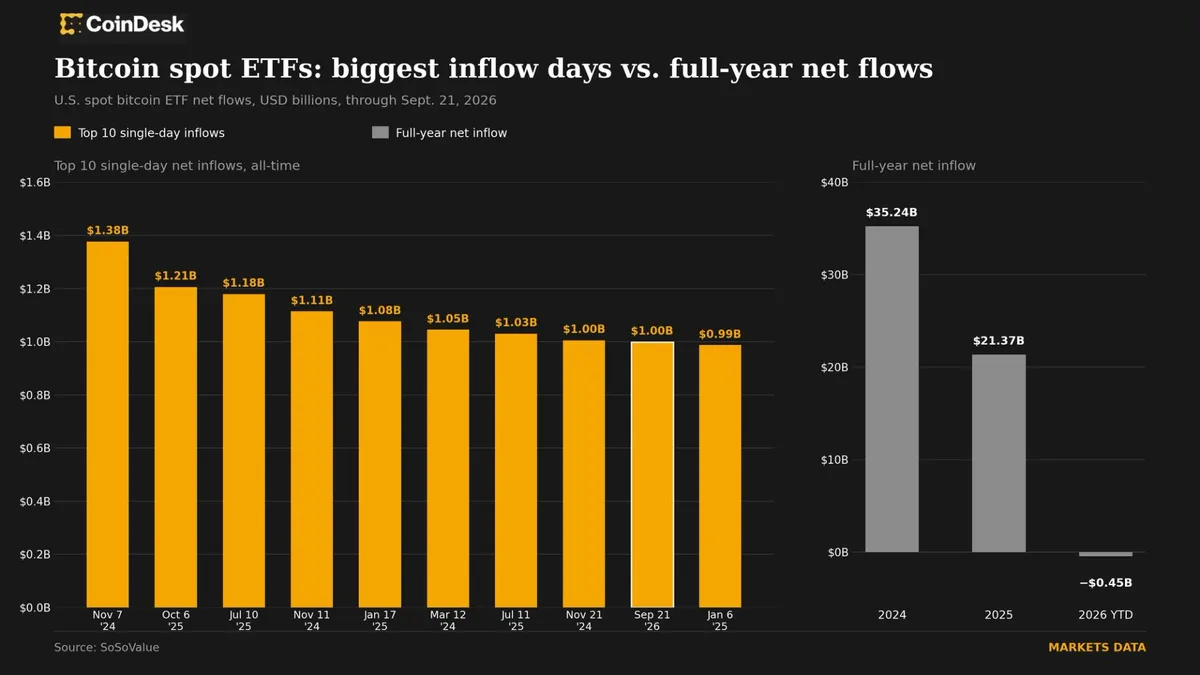
Spot bitcoin ETFs see nearly $1 billion inflow as bitcoin hits January highs
US spot Bitcoin ETFs see nearly $1 billion inflow, highest since October 2025
Bitcoin's rise to $86,000 restores profitability for ETF investors