Morgan Stanley amends Ethereum, Solana ETFs to reveal record cheap fees
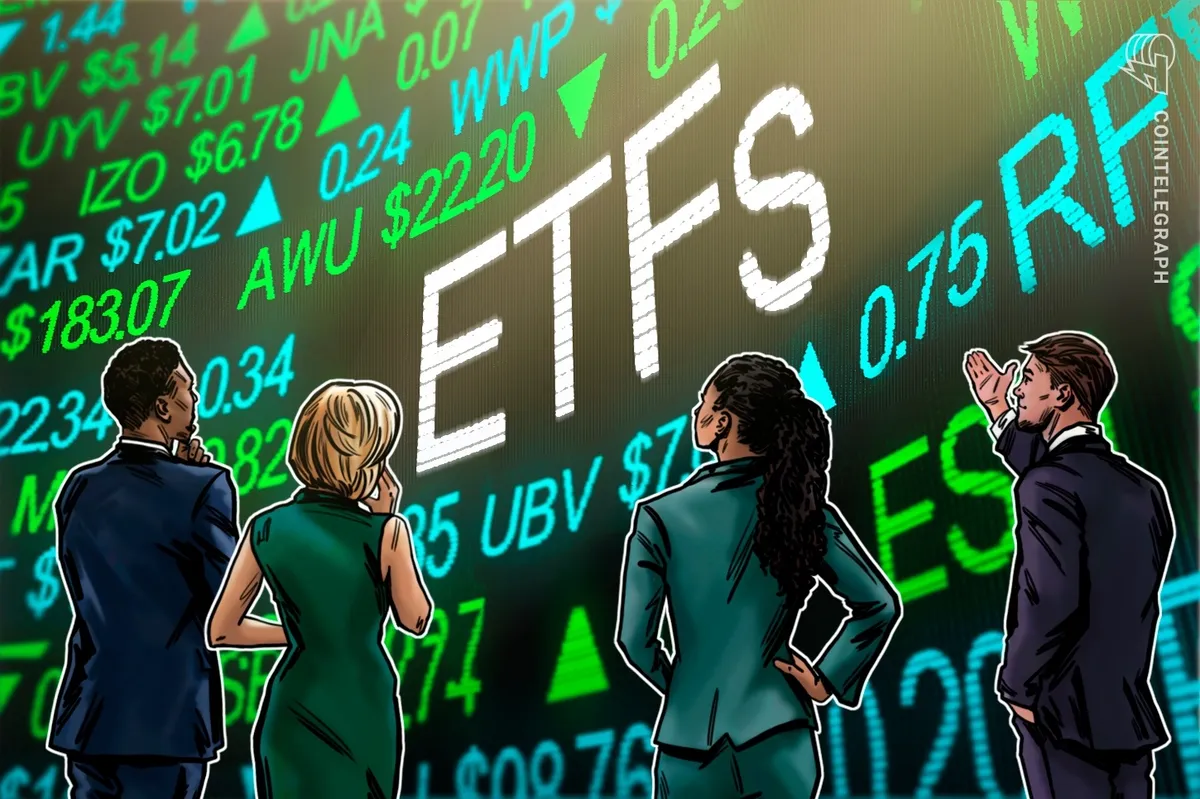
Morgan Stanley has recently made headlines by amending its upcoming Ethereum and Solana exchange-traded funds (ETFs) to feature remarkably low fees. According to ETF analyst Eric Balchunas, the firm is set to charge just 0.14% in fees, which Balchunas claims makes these funds “the cheapest in [the] US and world.” This strategic move aims to attract more investors to the growing cryptocurrency market, especially amid a climate where cost-effectiveness can be a significant differentiator in the increasingly competitive ETF landscape.
The context surrounding this development is rooted in the rapid expansion of crypto ETFs, which have gained traction over the last few years. As traditional financial institutions continue to venture into the digital asset space, Morgan Stanley’s decision to lower fees is a response to the increasing demand for accessible investment options in cryptocurrencies. Lowering the cost barrier for entry could lead to a surge in retail participation, further legitimizing digital assets in the eyes of conservative investors.
This change in fee structure is particularly crucial for the market as it signals a shift towards more competitive pricing in the ETF space. High fees have often deterred potential investors, especially in a market as volatile as cryptocurrencies. By offering lower fees, Morgan Stanley not only positions itself as a leader in this niche but also encourages other firms to reconsider their pricing strategies. This could lead to a broader trend of fee reductions across the industry, making crypto investments more appealing to a wider audience.
Industry reactions have been overwhelmingly positive, with many experts highlighting this move as a potential game-changer. Analysts believe that such low fees could attract institutional investors who have been hesitant due to cost concerns, thereby increasing overall market liquidity. Furthermore, Balchunas’ remarks emphasize how this could enhance Morgan Stanley’s reputation as a forward-thinking institution willing to adapt to market demands.
Looking ahead, this development raises questions about how other financial institutions will respond. Will we see a wave of similar fee reductions from competing firms, or will they stick to their higher pricing models? As the crypto ETF market evolves, it will be interesting to monitor investor behavior in response to these changes, as well as any regulatory implications that may arise from such competitive pricing strategies.

CoinMagnetic Team
Crypto investors since 2017. We trade with our own money and test every exchange ourselves.
Updated: June 2026
From our insights:
Related news
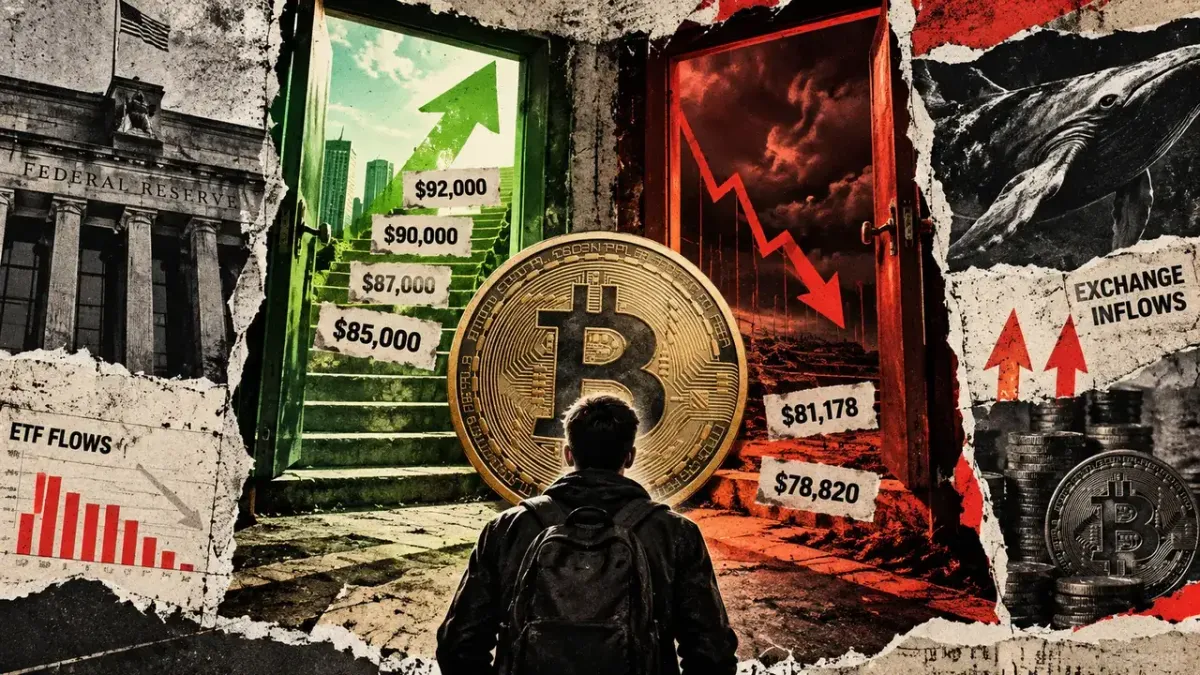
Bitcoin's weekly close above $81,000 signals potential rise to $90,000

Elon Musk's X integrates bitcoin trading options for U.S. users
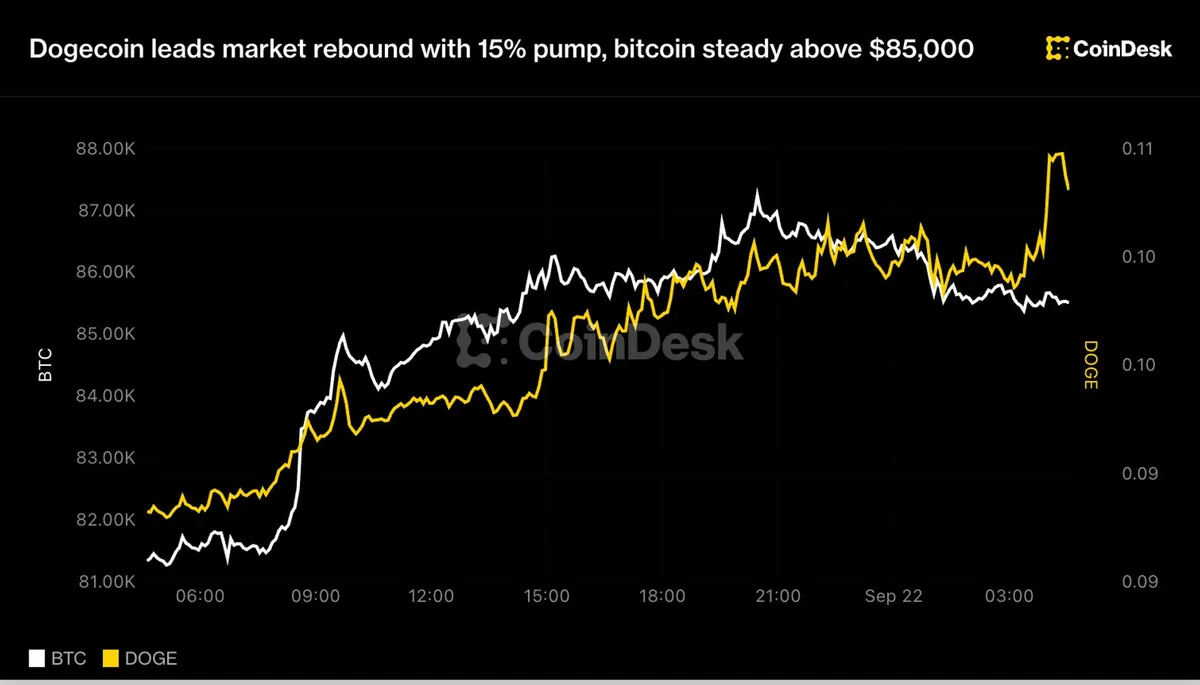
Dogecoin's 15% surge drives market recovery as bitcoin stabilizes above $85,000

Cardano adds tools for AI agent payments, joining Solana and XRP Ledger

Trueo prediction market moves from Base to Ethereum