More MiCA-licensed crypto firms could exit EU market: Gate Europe CEO

In a recent statement, Giovanni Cunti, the CEO of Gate Europe, expressed concerns that several crypto firms holding licenses under the Markets in Crypto-Assets (MiCA) framework might find it increasingly challenging to maintain compliance with the associated costs. The MiCA regulation, which aims to create a harmonized regulatory framework for the crypto sector within the European Union, has introduced a series of stringent requirements. As these firms navigate the new landscape, Cunti suggests that the financial burden of compliance could lead some to reconsider their operations within the EU market.
The MiCA regulation represents a significant shift in how cryptocurrencies and related services are governed in Europe. Introduced to enhance consumer protection and mitigate risks associated with digital assets, MiCA outlines rules for issuers of crypto-assets, service providers, and stablecoins. While many in the industry welcomed this regulatory clarity, the implementation phase has raised concerns about the practical implications of compliance. The costs associated with adhering to these new regulations can be substantial, particularly for smaller firms that may lack the resources of their larger counterparts.
This situation is crucial for the broader market as it could lead to a contraction in the number of firms operating within the EU. If a significant number of MiCA-licensed firms decide to exit the market due to compliance costs, it may reduce competition and innovation within the region. Additionally, a potential exodus could undermine the EU's ambitions to position itself as a global leader in the crypto space, especially as other jurisdictions continue to attract crypto businesses with more favorable regulatory environments.
Industry experts have responded to Cunti's remarks with a mix of concern and pragmatism. Some believe that while the compliance costs are indeed burdensome, they could ultimately lead to a stronger and more resilient market. Others caution that if too many firms exit, it could stifle innovation and limit consumer choice. The consensus appears to be that the MiCA framework, while well-intentioned, may require adjustments to ensure it supports sustainable growth within the crypto sector.
Looking ahead, it remains to be seen how many firms will ultimately choose to remain in the EU market under the current regulatory regime. The ongoing dialogue among industry stakeholders and regulators will be critical in shaping the future of crypto in Europe. If the compliance burden proves too high for many, we may witness a shift in the landscape, with the potential for new entrants to fill the gaps left by those exiting. As the market evolves, the balance between regulation and innovation will continue to be a pivotal theme for stakeholders across the crypto ecosystem.

CoinMagnetic Team
Crypto investors since 2017. We trade with our own money and test every exchange ourselves.
Updated: July 2026
From our insights:
Related news

Fairshake affiliate targets November voters with $362,000 California ad buy

SEC public comments close on August crypto proposal as industry responds

New Mastercard tool screens stablecoin flows for banks using analytics

Homeland Security bans DeepSeek across US civilian agencies over Beijing data risks
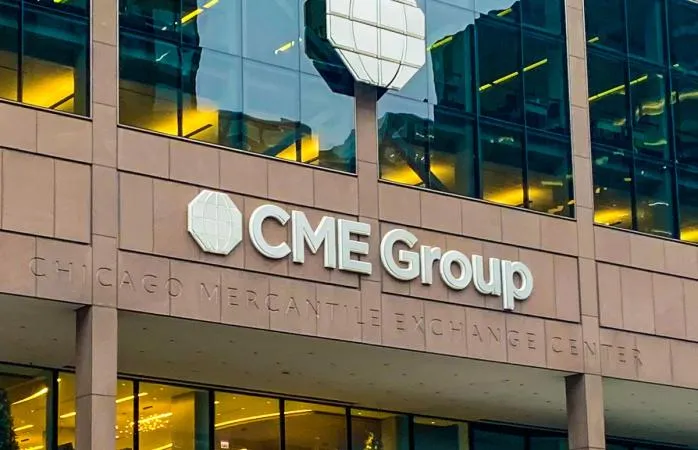
CFTC pushes back against CME arguments in battle over crypto perpetual futures